

3D models
for product configurators
3D models and render layers for product configurators: every part, finish and option of your range, built to the specification of your configurator platform.
- Split into parts and finishes, ready to swap
- Built to your platform's format and triangle budget
- A paid pilot batch, tested in your configurator first
We take a limited number of ranges at a time, so every model is tested against your platform's spec before it is delivered.
1,247
Projects completed
13
Years in business
17
Countries delivered to







★★★★★
Rated 5.0 on Clutch · See our reviews
Architects, developers & interior designers
Working for 215 companies since 2013
125 of 220 clients came back
More than half of our clients have hired us again
The short version
What are 3D models for a product configurator?
The 3D content a configurator shows when a customer picks a size, a colour or a material: every product, split into the parts that can change, with every finish set up so it can be swapped.
A configurator is only as good as the models in it. The software lets the customer choose; the models are what they see.
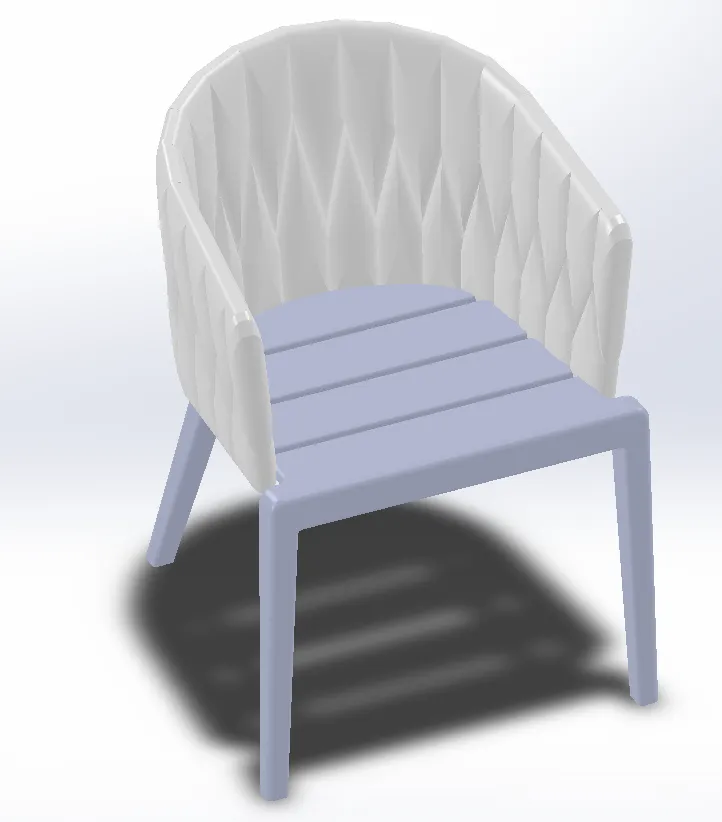
A model made for one render is usually one piece with one material. A configurator needs the opposite: the frame, the seat and the legs as separate parts, each finish as its own material, and a file light enough to load on a phone.
We build the models from your drawings to the specification of your configurator platform, so they load and swap correctly the first time. For configurators that swap images rather than 3D models, we render each option as a layer instead.
For 3D and web configurators
Models the customer can turn and change in the browser, in the format and budget the platform sets.
For AR
The same models, prepared so the customer can place the configured product in their own room.
For image configurators
Render layers stacked over a base image, for configurators that show photoreal images instead of a 3D model.
Need the models for renders as well? See 3D furniture modeling. The cost drivers are listed below.
What we do and do not do
We make what the configurator shows, not the configurator
A configurator has two parts: the software that lets the customer choose, and the 3D content it shows. We make the content.
We build the models
Every part, finish and option of the product, modelled from your drawings and split the way the configurator swaps them.
We build to your platform's spec
File format, triangle and texture budget, naming and pivot points, taken from the platform you use or the team that builds it.
We do not build the software
The configurator itself, the web app or the AR app, comes from a configurator platform or a development team. We work with either.
We say what we can deliver first
Tell us the platform at the brief stage and we confirm what we can deliver before the quote is fixed.
What we make
Models, finishes and render layers for configurators
The content behind each choice a customer makes in a configurator.
Colours and finishes
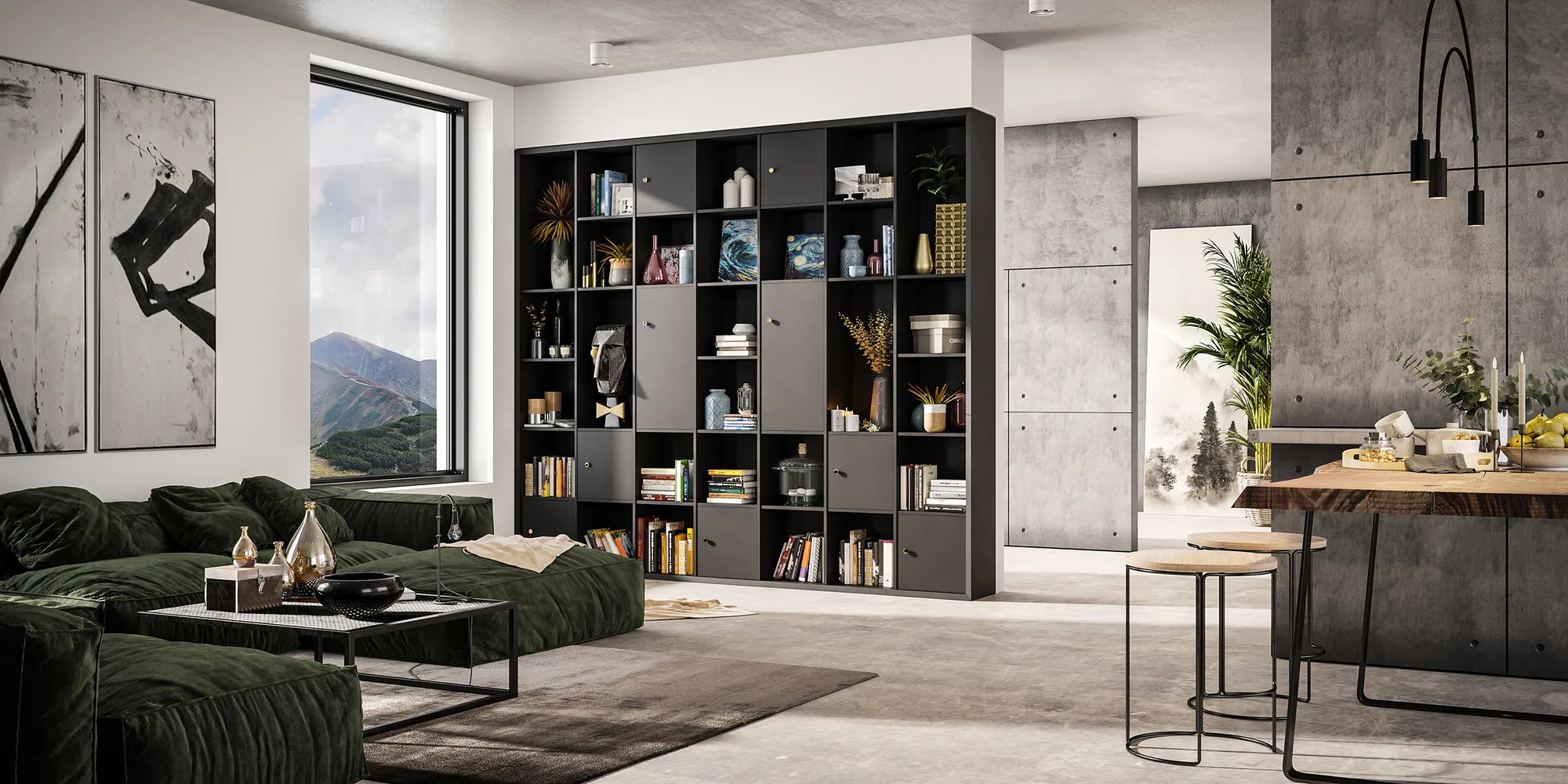
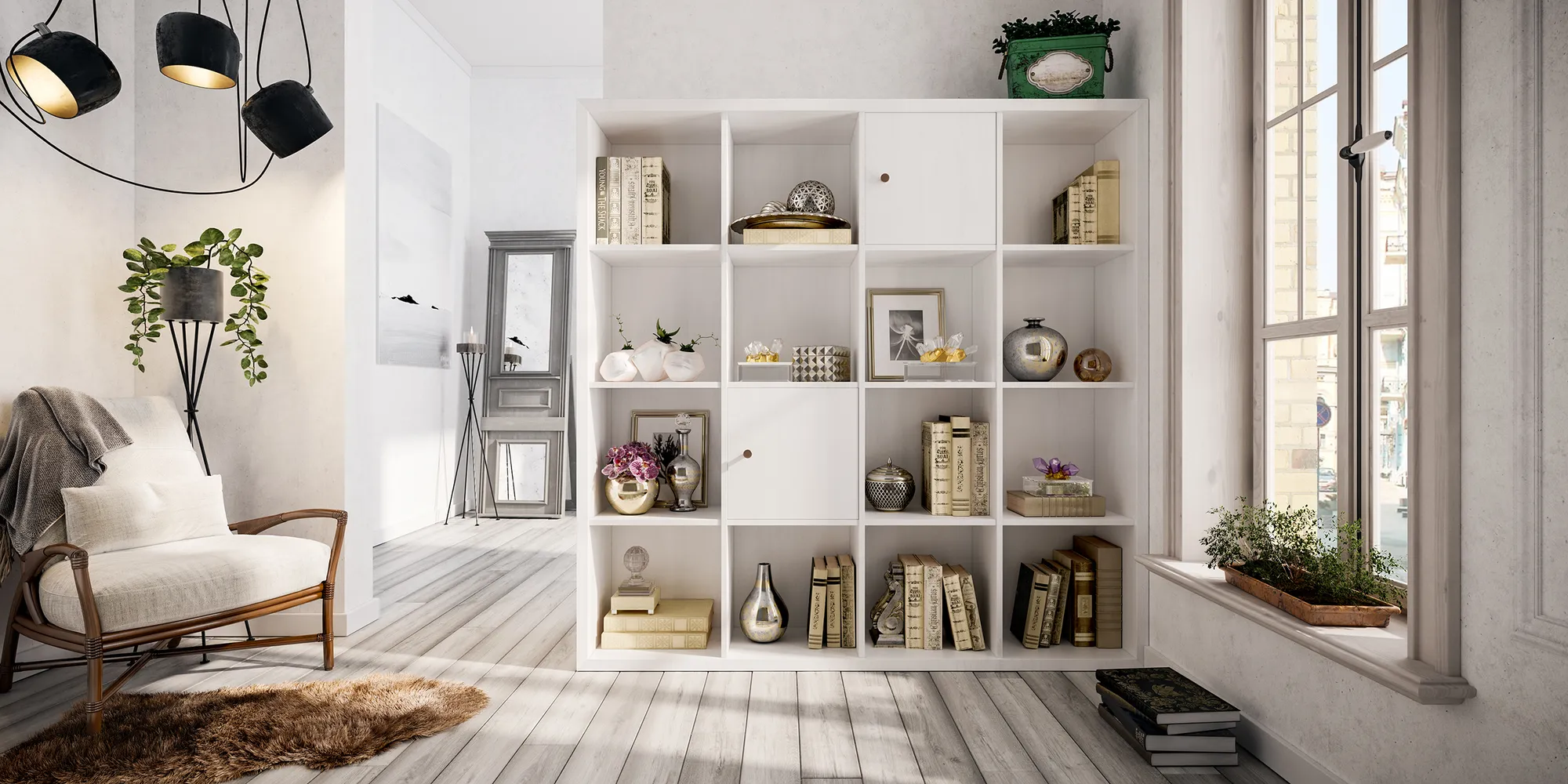
Each finish set up as its own material, so one model shows every colour, wood and fabric in the range.
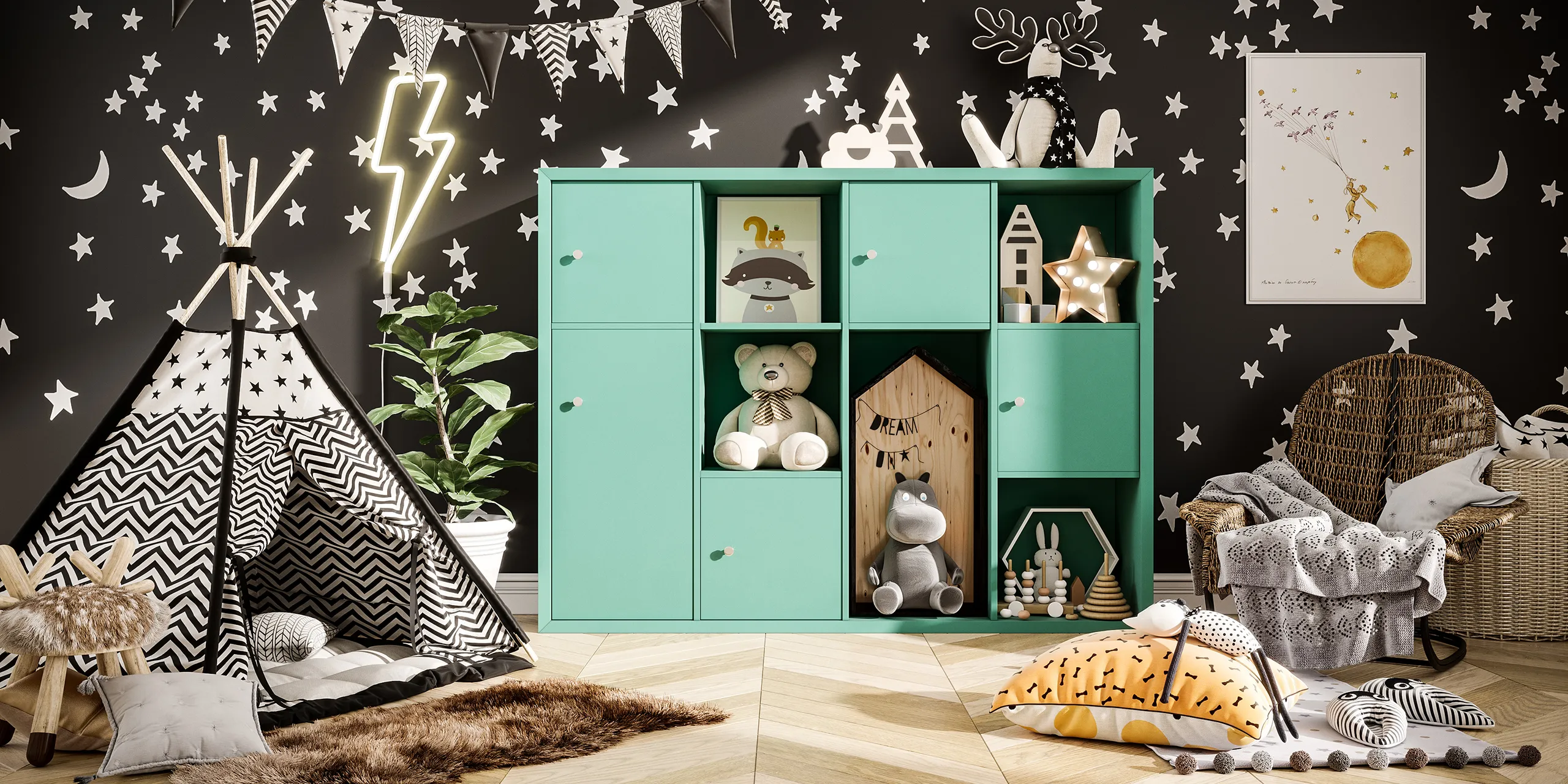
Modular products
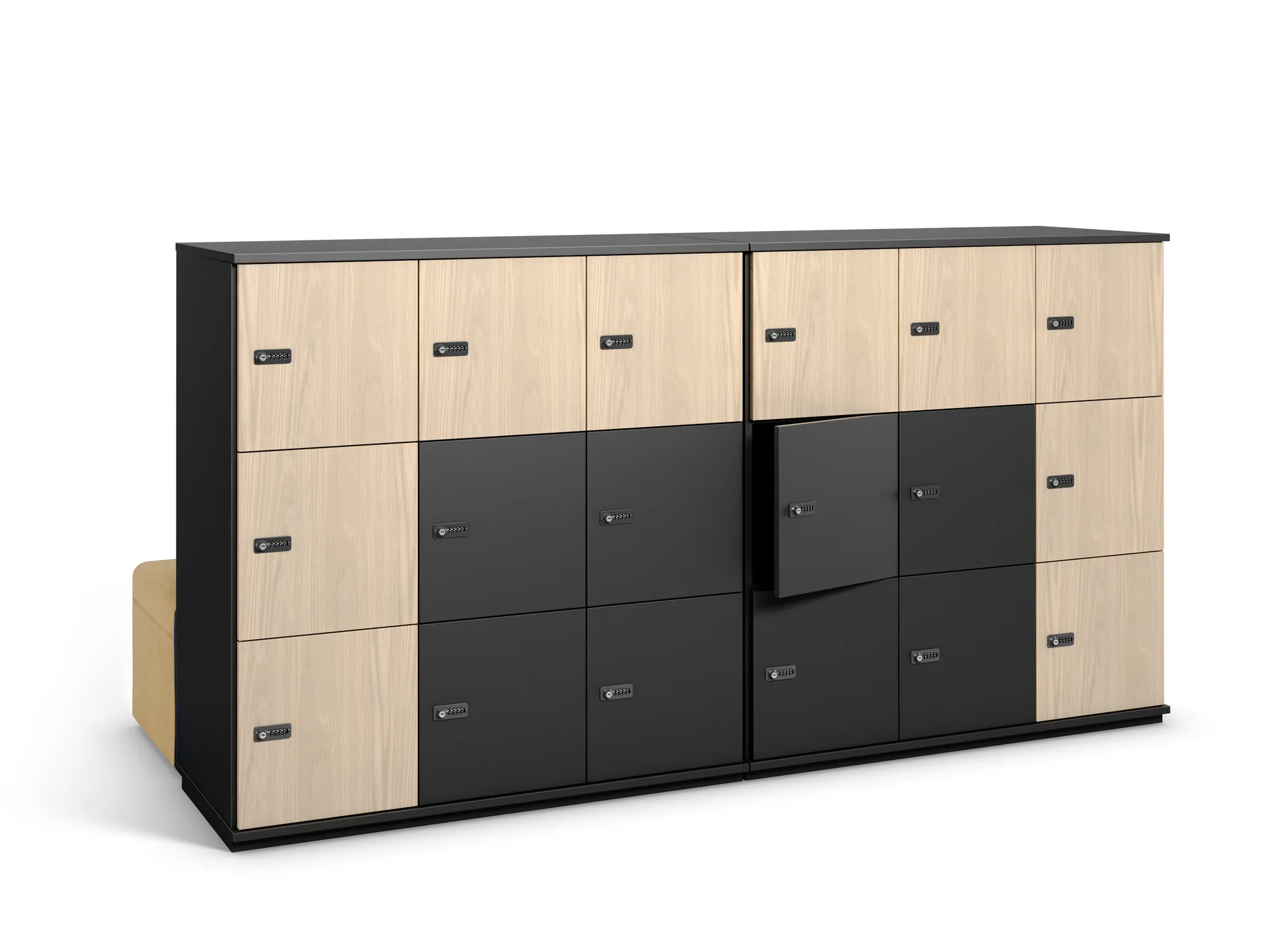
Products built from modules, so the configurator can add, remove and resize parts without a new model.
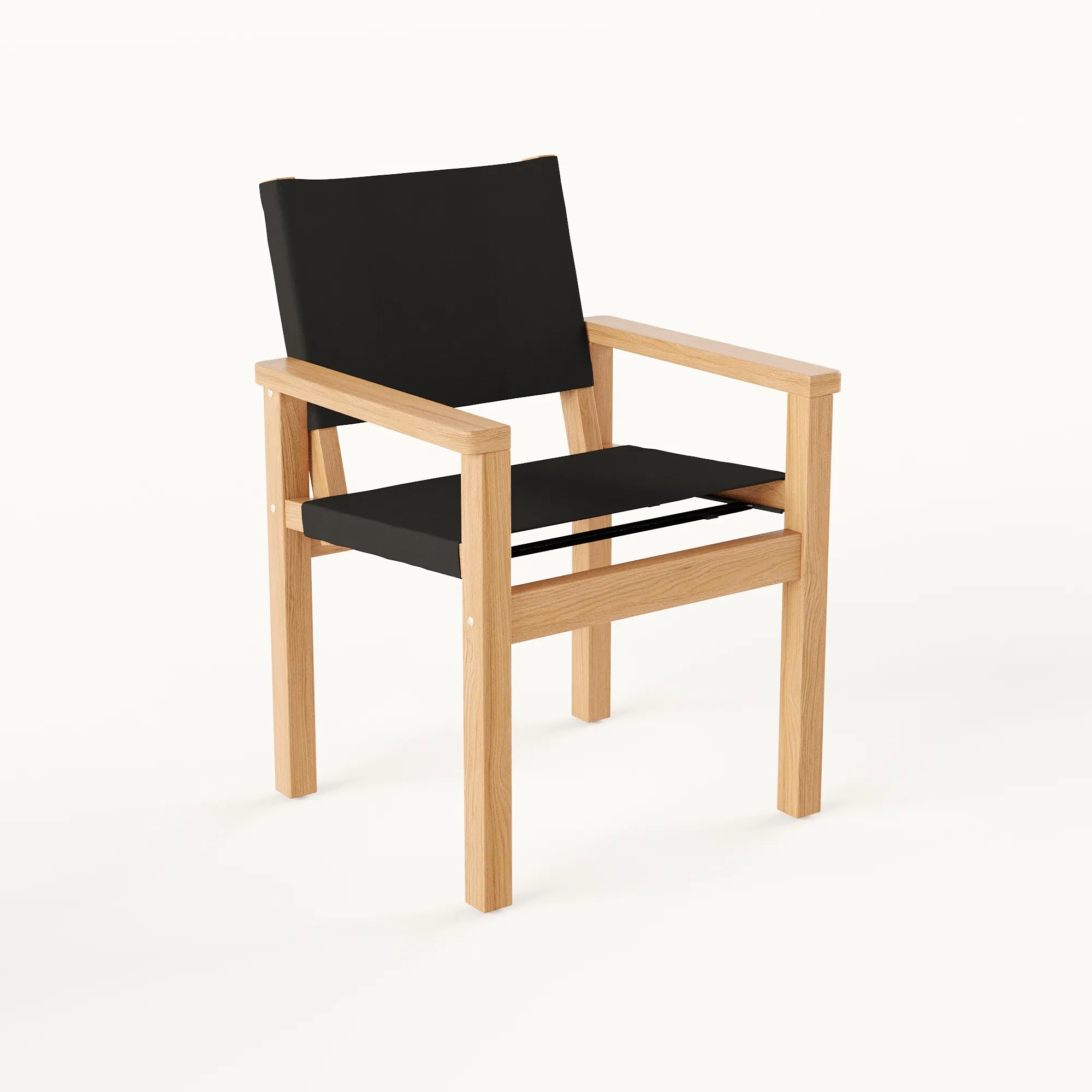
Parts and options
Frames, seats, legs, handles and doors as separate parts, each swapped on its own.
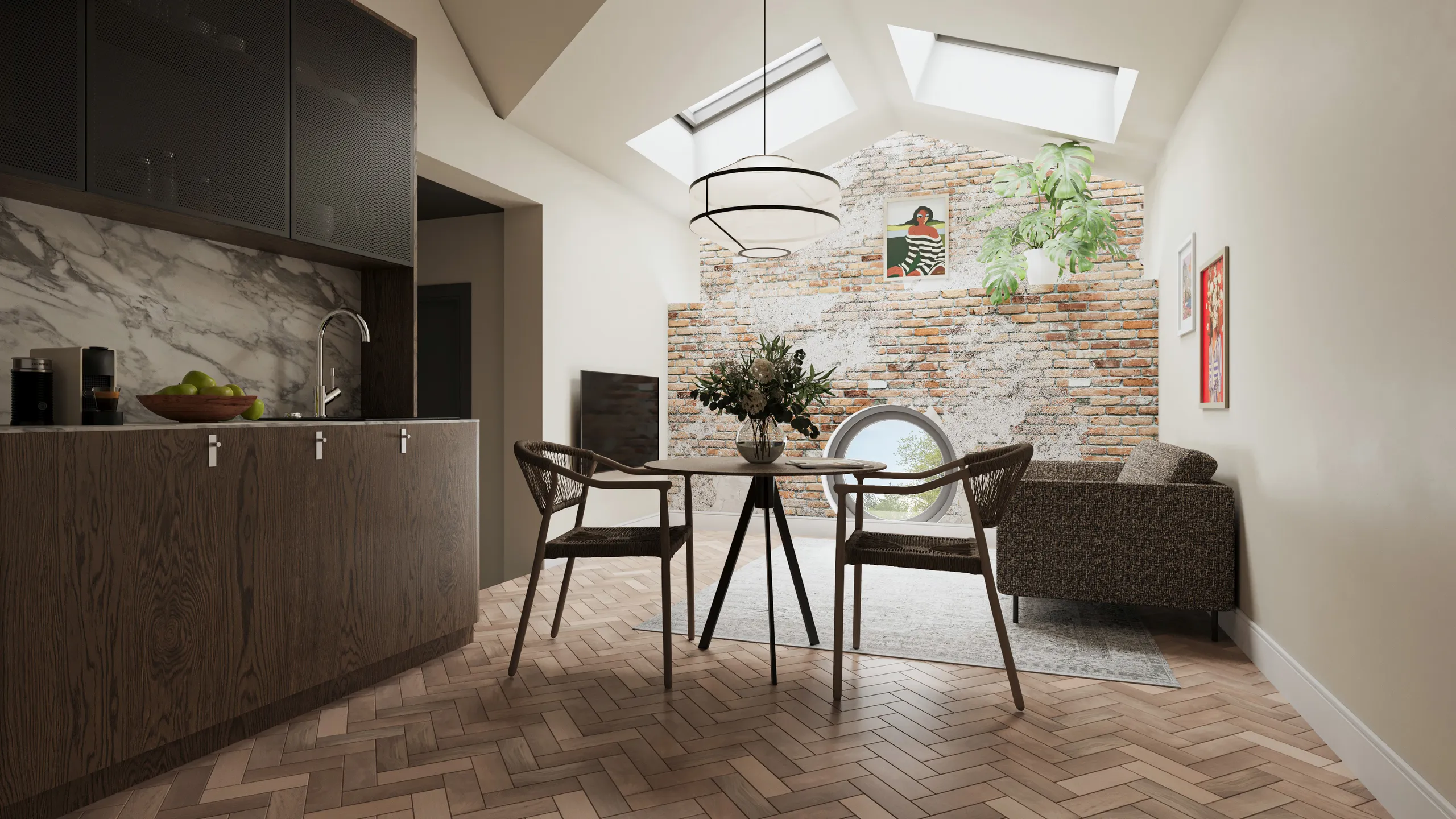
Render layers for image configurators
A base image plus each option as a transparent layer at the same camera, such as floors, worktops and fronts in a new apartment.
Working with us
Working with your platform, under NDA
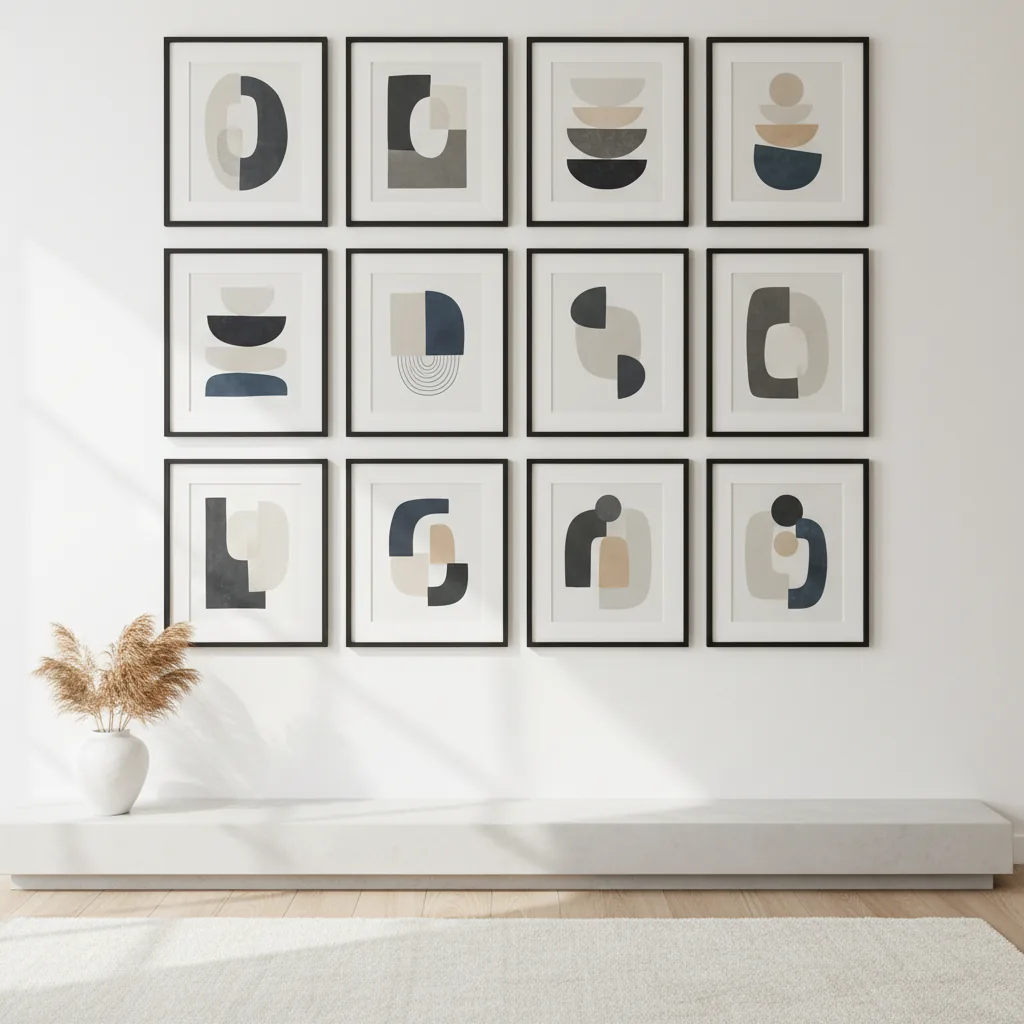
One standard for the range
Scale, naming, pivots and materials match across every product, so the configurator treats them all the same way.

We talk to your developers
Questions about a format or a budget go straight between the modeller and the team that runs your configurator.

Unreleased products stay private
New products stay off this website and off social media. We sign your NDA before your drawings arrive.
Estonian studio, European hours
Working since 2013 and delivering to 17 countries. A message sent at lunch in Europe is answered the same afternoon.
How a range is built
From your drawings to a working configurator range in four steps
One fixed price for the batch, agreed before any work starts, and a pilot tested in your configurator before the full range.
Brief
Send the drawings and the spec
Upload the CAD files, the finishes and options, and your platform's specification. One fixed price and a delivery date come back within 30 minutes.
Pilot
A paid pilot batch, tested in your configurator
10 to 20 products are built first and loaded into your configurator, so the format, the budget and the part split are proven before the rest.
Range
The full range to the same spec
The remaining products follow the tested spec, with every part, finish and option. 2 revision rounds are included.
Delivery
Files ready to load
Named and organised files in the format your platform needs. New products and finishes later follow the same spec.
2 revision rounds included, then refined until you sign off. Delivered on the date we agree.
Selected products
Products we have modelled
Product models and renders for manufacturers and brands across the Nordics, the Baltics and Europe.
Nothing matches those filters yet.
What it costs
What decides the price of configurator models
One fixed price for the batch, agreed before work starts, never a price per polygon. Here is what moves it.
-
How many different products
The number of distinct products, not the number of combinations. Variants of one product cost a fraction of a new product.
-
Parts and options
Each part the customer can change has to be modelled and set up on its own. More options mean more parts.
-
Finishes
Each finish needs its material set up. A finish library shared across the range keeps it efficient.
-
Your platform's budget
A tight triangle and texture budget for phones takes more work than a desktop viewer with room to spare.
-
The state of your drawings
CAD or STEP files are quickest and exact. Photographs and approximate sizes mean reconstruction, which takes longer.
-
Render layers
For image configurators, the number of camera views and options decides the number of layers to render.
Free guide
The Configurator 3D Models Buyer's Guide
What to send, how to plan a range and what arrives on delivery.
- What goes in the brief: drawings, options and your platform's spec
- How a pilot batch proves the format before the full range
- How products, parts and finishes move the quote
- One fixed number, not an estimate, back in 30 minutes
Opens the upload form. Send what you have; no sales call.
Who orders them
Who orders configurator models from us
Different buyers, one need: every option of a product, ready for the customer to choose.
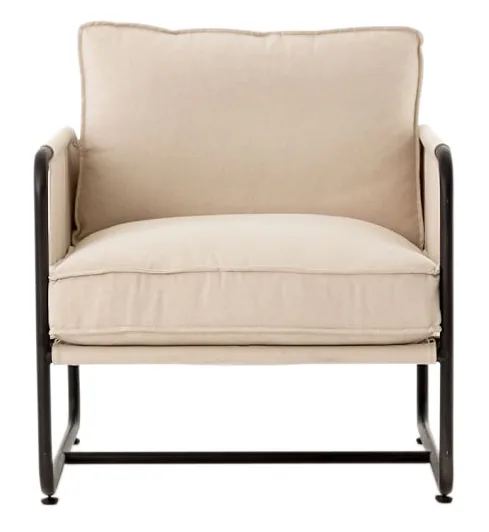
Furniture brands and manufacturers
Every frame, fabric and finish in the range, for the configurator on their website and their dealers' sites.
3D furniture modeling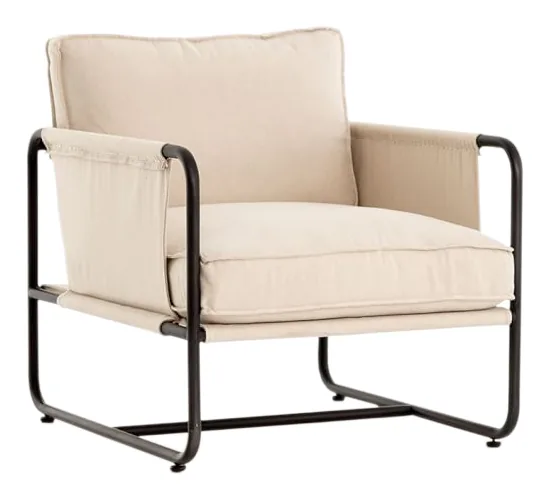
Configurator platforms and agencies
Models built to the platform's spec for the brands they onboard, so the content is ready when the configurator is.

Property developers
Render layers for apartment finish configurators, where buyers pick floors, kitchens and tiles before handover.
Read more
What you provide
What you send and what comes back
Send what exists today and we will say what, if anything, is missing.
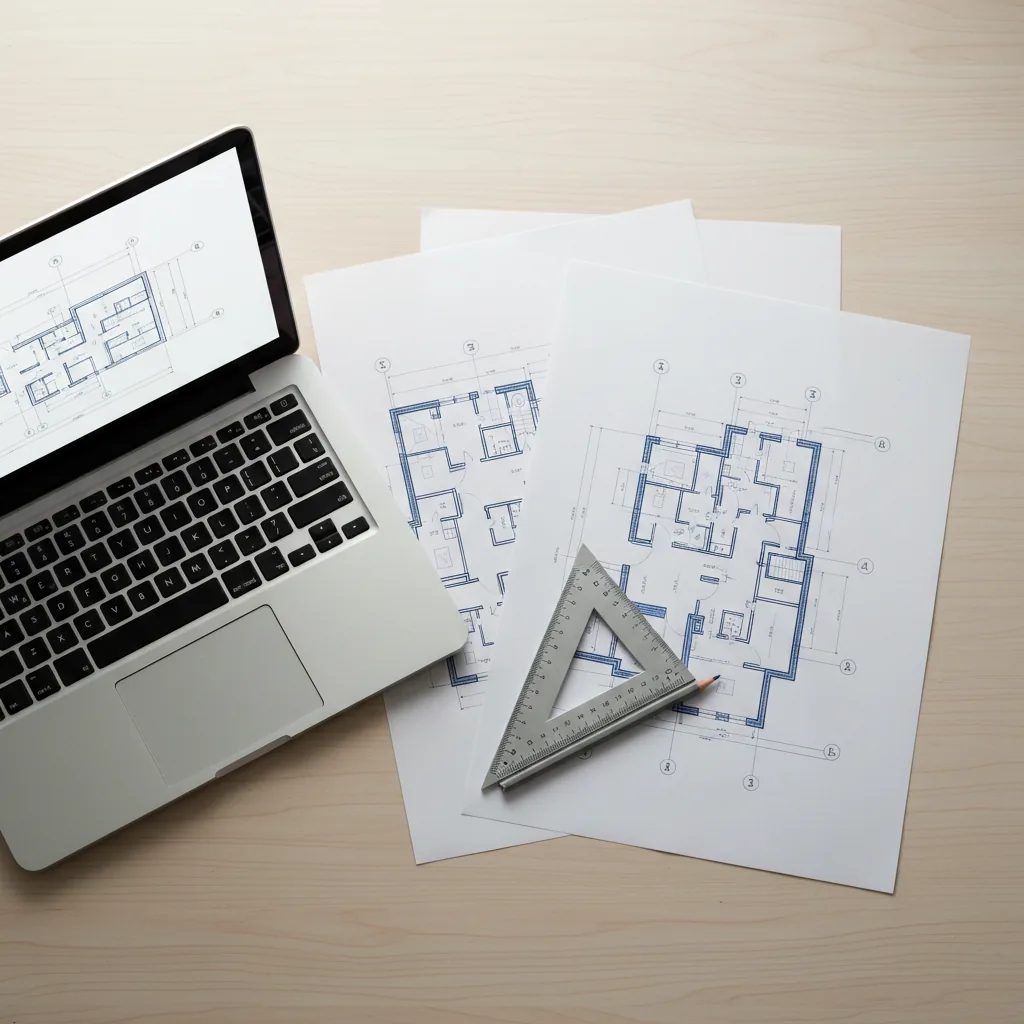
What we accept
DrawingsCAD or STEP files, or dimensioned PDF drawings
OptionsThe parts, finishes and sizes the customer can choose
SpecYour platform's format, budget and naming rules
ReferencesPhotographs or samples of the real finishes
ViewsFor image configurators, the camera views needed
What you receive
ModelsConfigurator-ready models, split into parts
FinishesEvery finish as its own material
LayersRender layers, if your configurator swaps images
RightsFull ownership of everything delivered
RevisionsTwo rounds included, then refined until you sign off
For catalogue images of the same products, see 3D product rendering. For all other modeling, see 3D modeling services.
Questions we get asked
Configurator 3D model questions, answered
What brands and configurator teams usually ask before their first range. Still unsure? Send the drawings and your platform's spec; the quote reply says what is missing.
Ask us directlyDo you build the configurator itself?
No. We build the 3D models and render layers the configurator shows. The configurator software comes from a configurator platform or a development team, and we deliver the content to their specification. Tell us which platform you use and we confirm what we can deliver before the quote is fixed.
Which file formats do you deliver for a configurator?
The format your platform asks for, for example GLB for web viewers and USDZ for AR on iPhone, or FBX and OBJ for a team that prepares the files itself. We take the triangle and texture budget, the naming and the pivot points from the platform's specification.
How are the models prepared for a configurator?
Each product is split into the parts the customer can change, such as the frame, the seat, the legs or the doors. Each finish is a separate material, so the configurator can swap it without a new model. Parts that are shared across products are modelled once and reused.
What are render layers for an image configurator?
Some configurators swap images instead of spinning a 3D model. For those we render a base image and then each option, such as a floor, a worktop or a cabinet front, as a transparent layer at exactly the same camera, so the layers stack into any combination the customer picks.
Do you start with a pilot?
Yes. For a full range we start with a paid pilot batch of 10 to 20 products, priced like normal work. It is tested in your configurator before the rest is modelled, so any problem with the format or the budget is found early.
How do you price configurator models?
As one fixed price for the batch, agreed before work starts. What moves it is the number of different products, the number of parts and finishes, and the platform's budget. Variants of one product cost a fraction of new products.
Who owns the models?
You do. Everything we deliver is yours to use in the configurator, in renders and anywhere else, and we sign your NDA before your drawings arrive.
Start a range
Send your drawings, get a fixed quote in 30 minutes
CAD files and your configurator platform's spec are enough to start. Tell us the options the customer can choose.
We take a limited number of ranges at a time.