
Game art outsourcing
Game art outsourcing delivered as environments, props and architectural assets built game-ready rather than render-only. We have been modelling buildings for thirteen years, which is the part most outsourcing studios get approximately right and shipping teams then have to fix.
- Clean topology, sane pivots, real-world scale, non-overlapping UVs
- Your triangle budget, your naming convention, your channel packing
- FBX, glTF, or a drop-in Unreal or Unity package with the source files
We only take a limited number of projects each month, so every scene gets top quality.
1,247
Projects completed
13
Years in business
17
Countries delivered to






★★★★★
Rated 5.0 on Clutch · See our reviews
Architects, developers & interior designers
Working for 215 companies since 2013
125 of 220 clients came back
More than half of our clients have hired us again
We build from drawings, not from reference photographs
3D game art outsourcing usually starts from a mood board and photographs. A level built to a real drawing starts from the architect's own files.
Plans, sections and elevations rather than a mood board and a photo search. That is the difference between a level that feels observed and one that feels invented.
Most asset vendors start from reference imagery and eyeball the proportions. It reads fine in a screenshot and wrong once a player stands next to a door. Storey heights, tread depths, window head heights and handrail positions are the things the eye checks without being asked, and they are the things a photograph does not give you accurately.
Thirteen years of building from architectural drawings means those numbers are the default rather than a correction pass. It is the same modelling discipline behind every other page on this site, pointed at a different output.
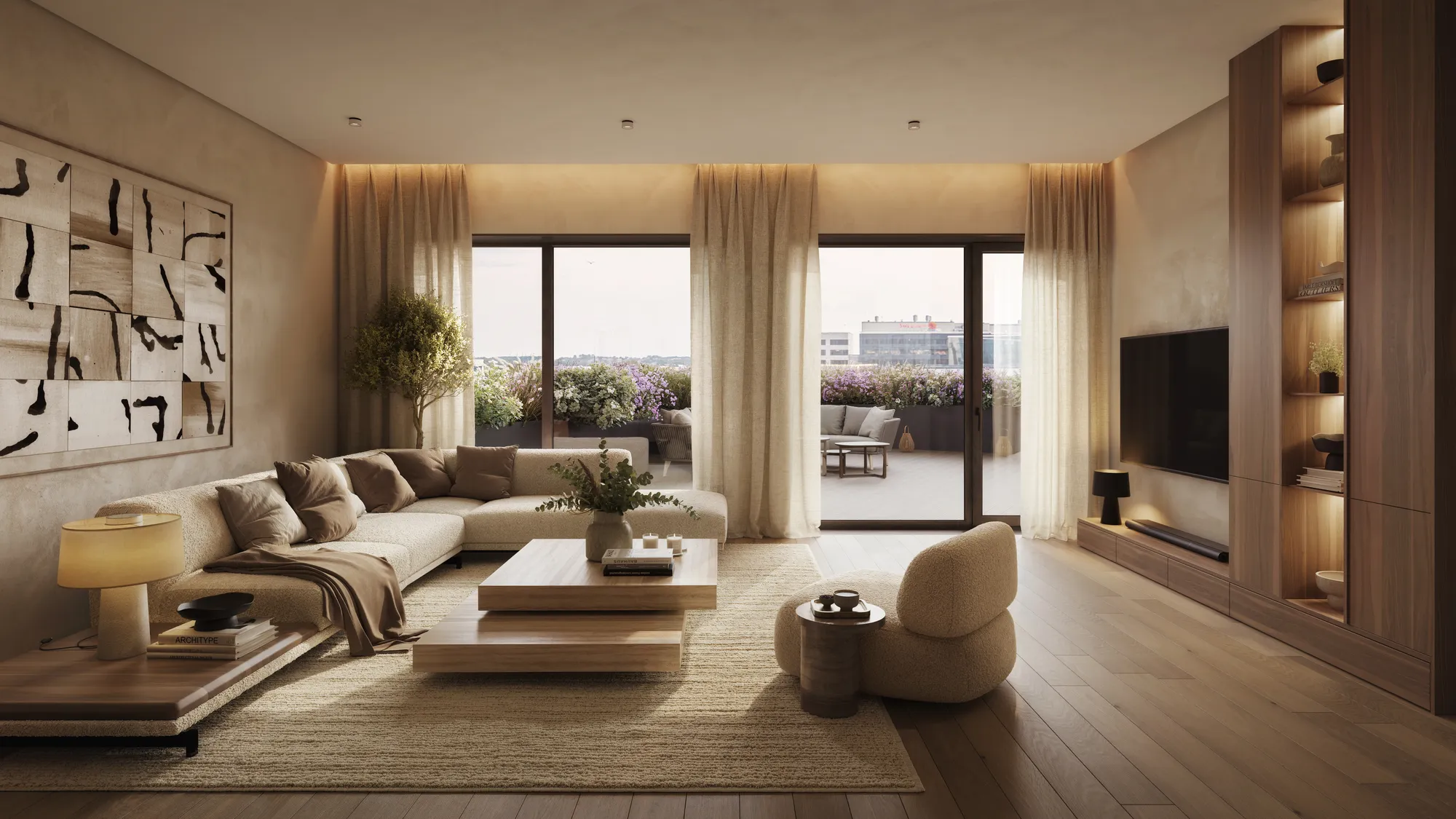
What you can verify without an NDA
Thirteen years of modelling from real drawings is public: the portfolio, the client list, the process. The game work itself stays unseen.
The proof that substitutes for a portfolio
A single paid test asset, built to your budget and naming convention, beats a screenshot: a mesh you can drop into your own engine and inspect.
Three things outsourced art usually gets wrong
01
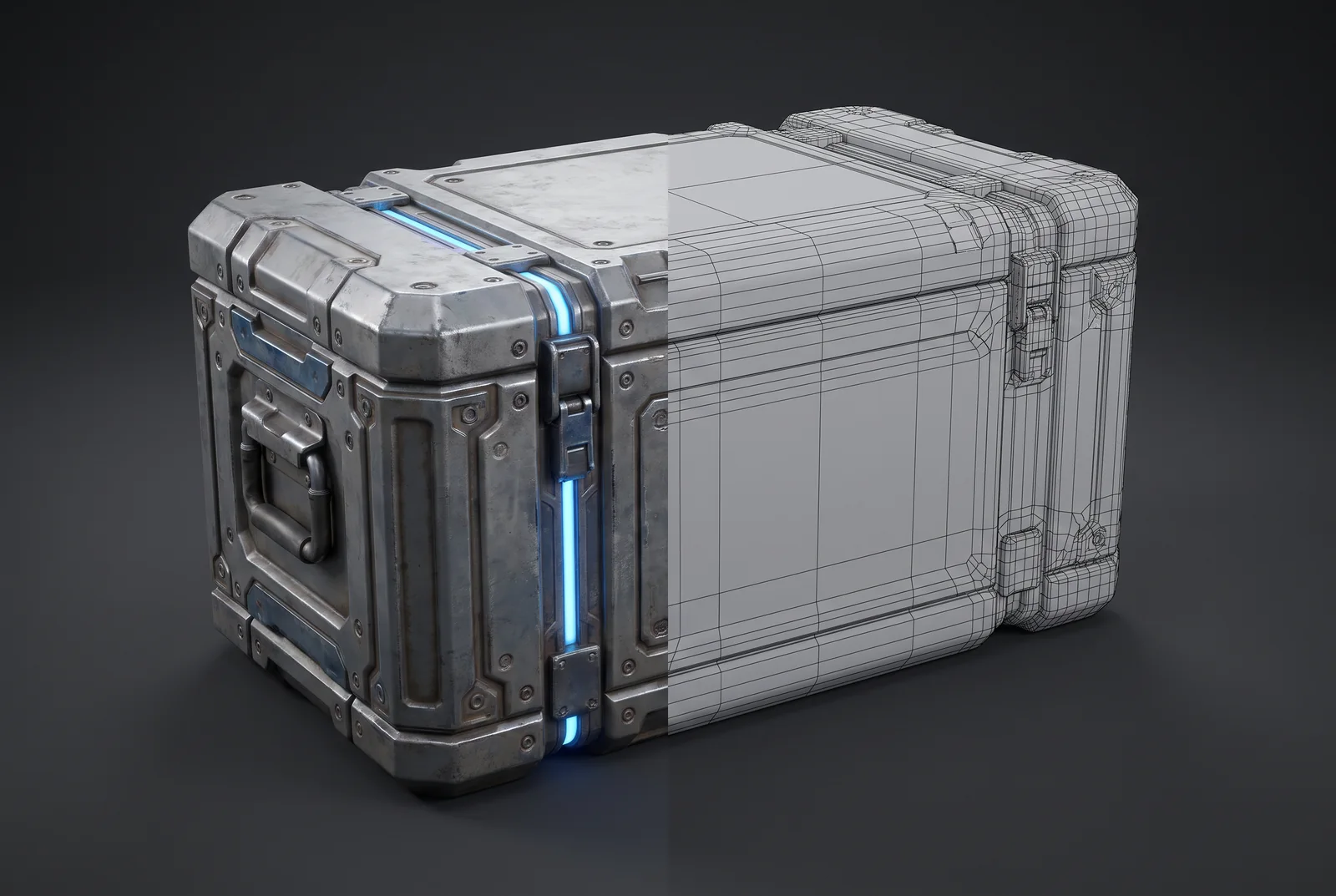
Assets that do not need a fixing pass
Meshes arrive with clean topology, sane pivots, consistent real-world scale, non-overlapping UVs and a second channel for lightmaps where you need one. We work to your triangle budget, whether that is strict for mobile and Quest or looser for a PC title.
PBR sets are authored at the resolution you ask for, in the channel packing your pipeline already expects. Source files come with the exports.
02
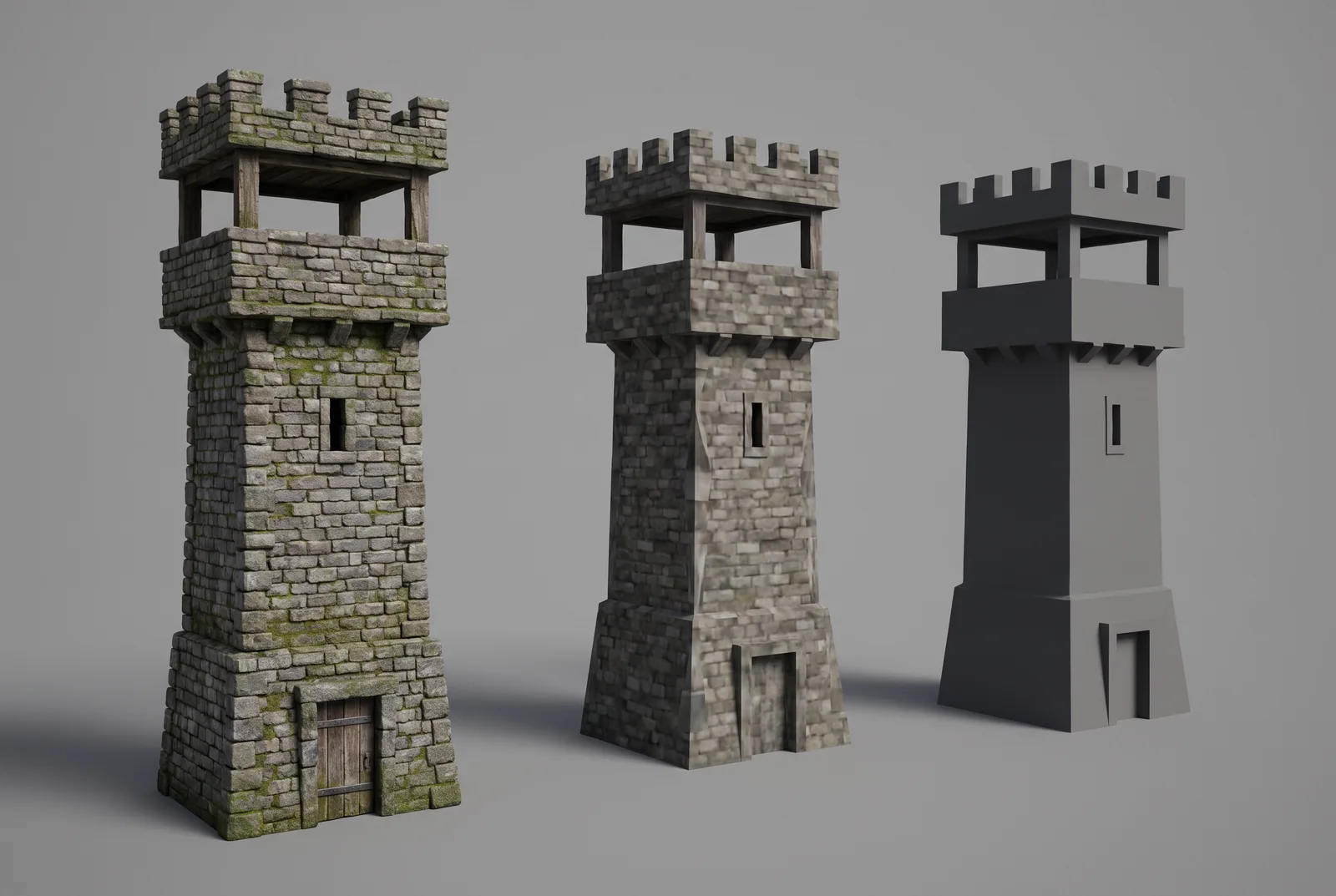
Silhouettes that hold at distance
LOD chains are authored rather than decimated, so a building still reads as that building at LOD2 instead of collapsing into a lump. Collision is simple and separate from the render mesh.
Delivery is FBX or glTF plus textures, or an Unreal or Unity package dropped straight into your project, with a short document listing what is in it.
03
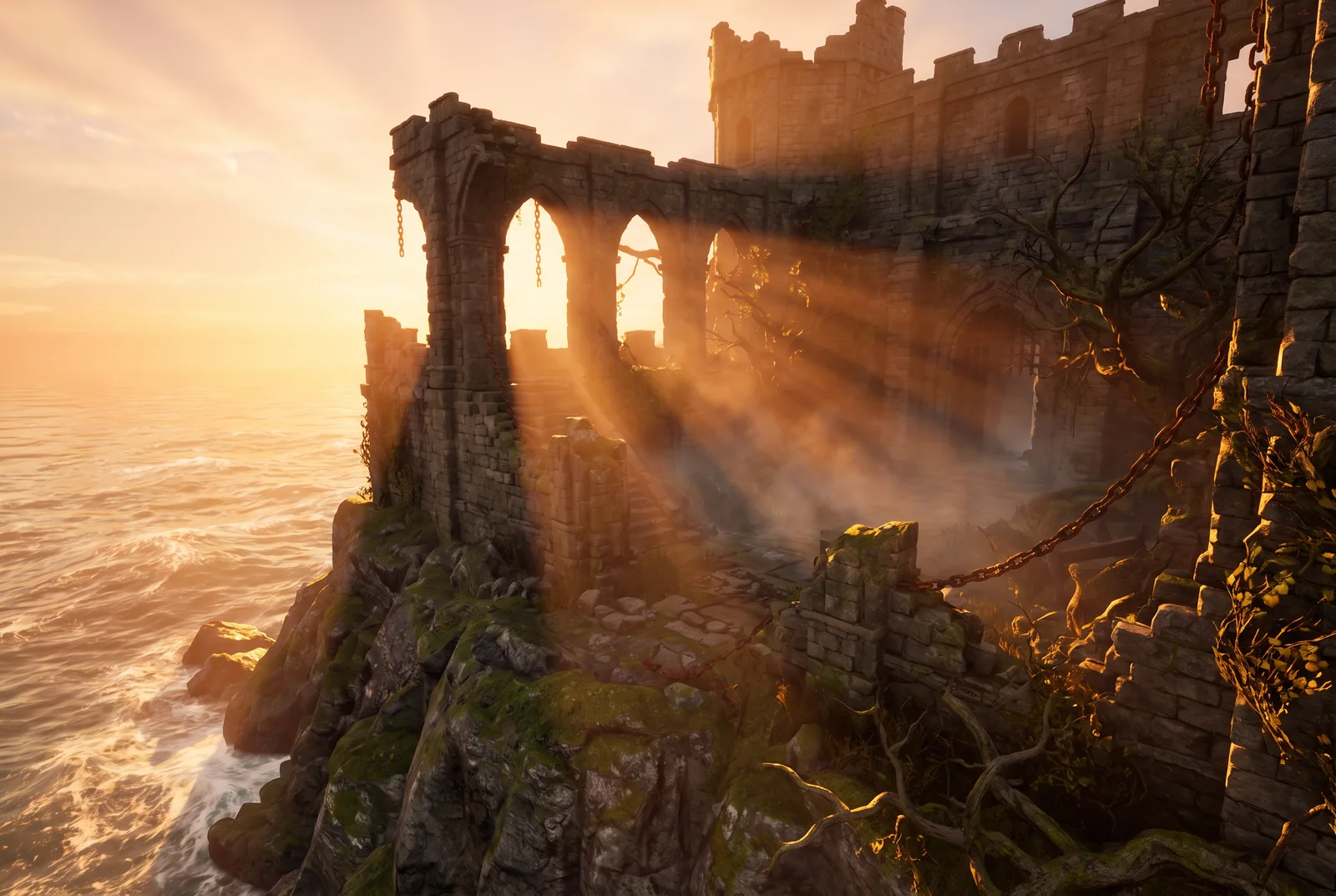
Marketing art out of the shipping build
The same scene produces the store page. Key art, screenshots, environment beauty shots and short flythroughs come out of the model you are already shipping, so the art on the store page is the art in the build.
For an AR or configurator app the same assets carry across on a lighter budget, because they were built to a specification rather than to one camera.
Environments, props, kits and the boring necessary parts
Four categories cover most of what studios send us. The fourth is the one nobody advertises and everybody needs.
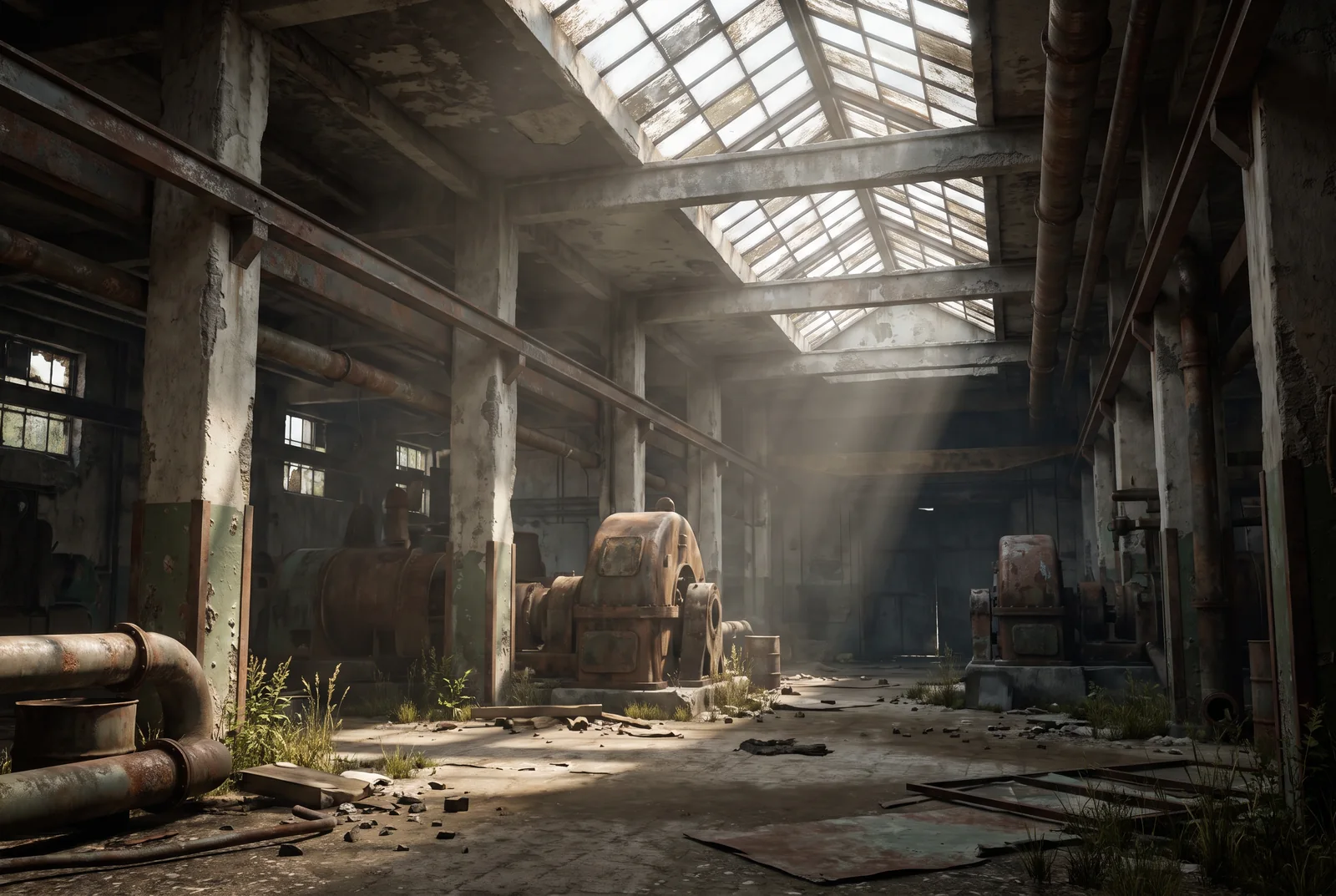
Environments and levels
Interiors and exteriors for playable space, built so a room reads as a real place rather than a set of walls at plausible distances.
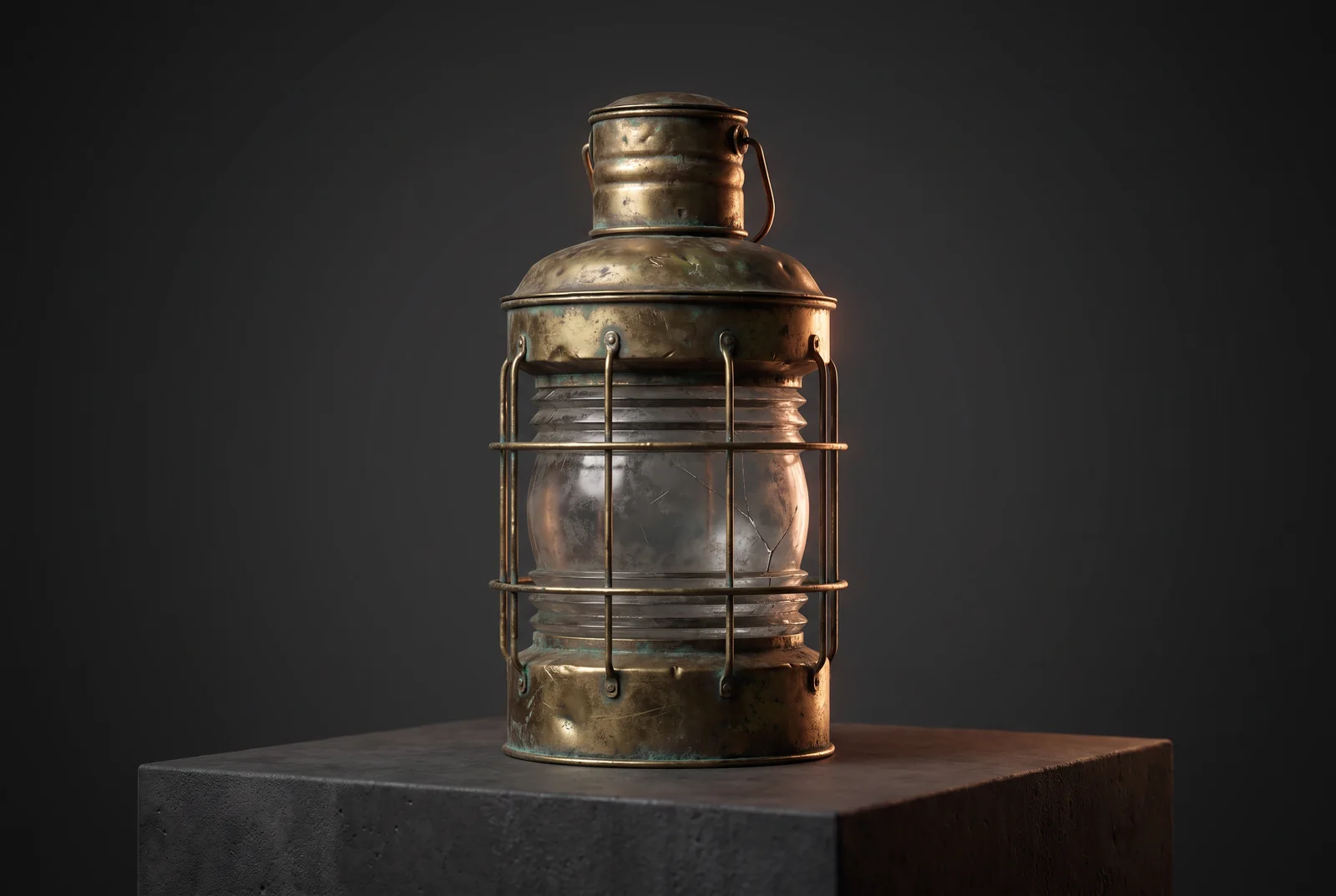
Hero props
The objects a camera gets close to. Modelled and textured at the density that survives a close-up, with a lower-poly sibling for everything else.
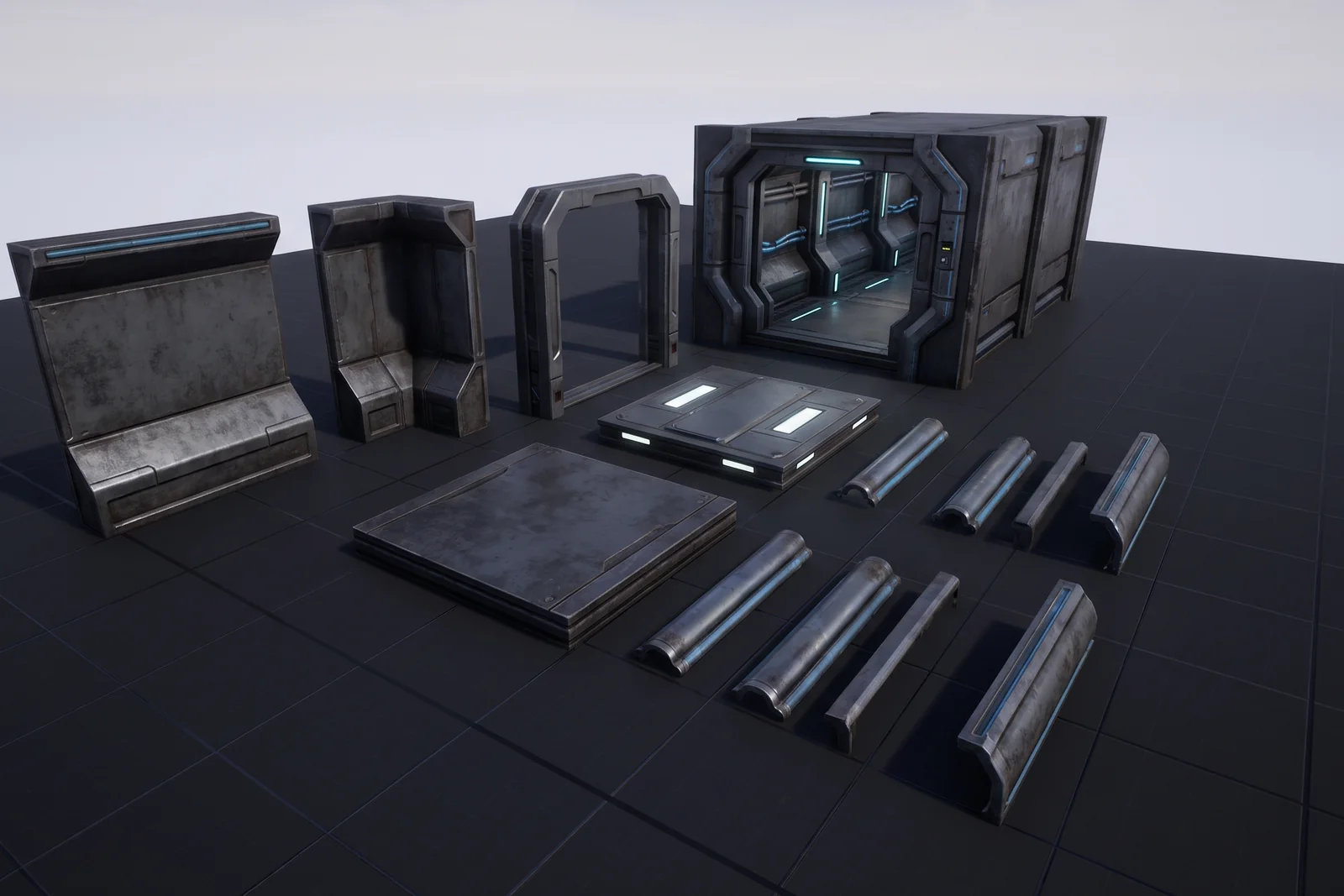
Modular kits
Wall, floor, trim and roof pieces that snap on a grid, so a level artist can build twenty buildings from one set instead of ordering twenty buildings.
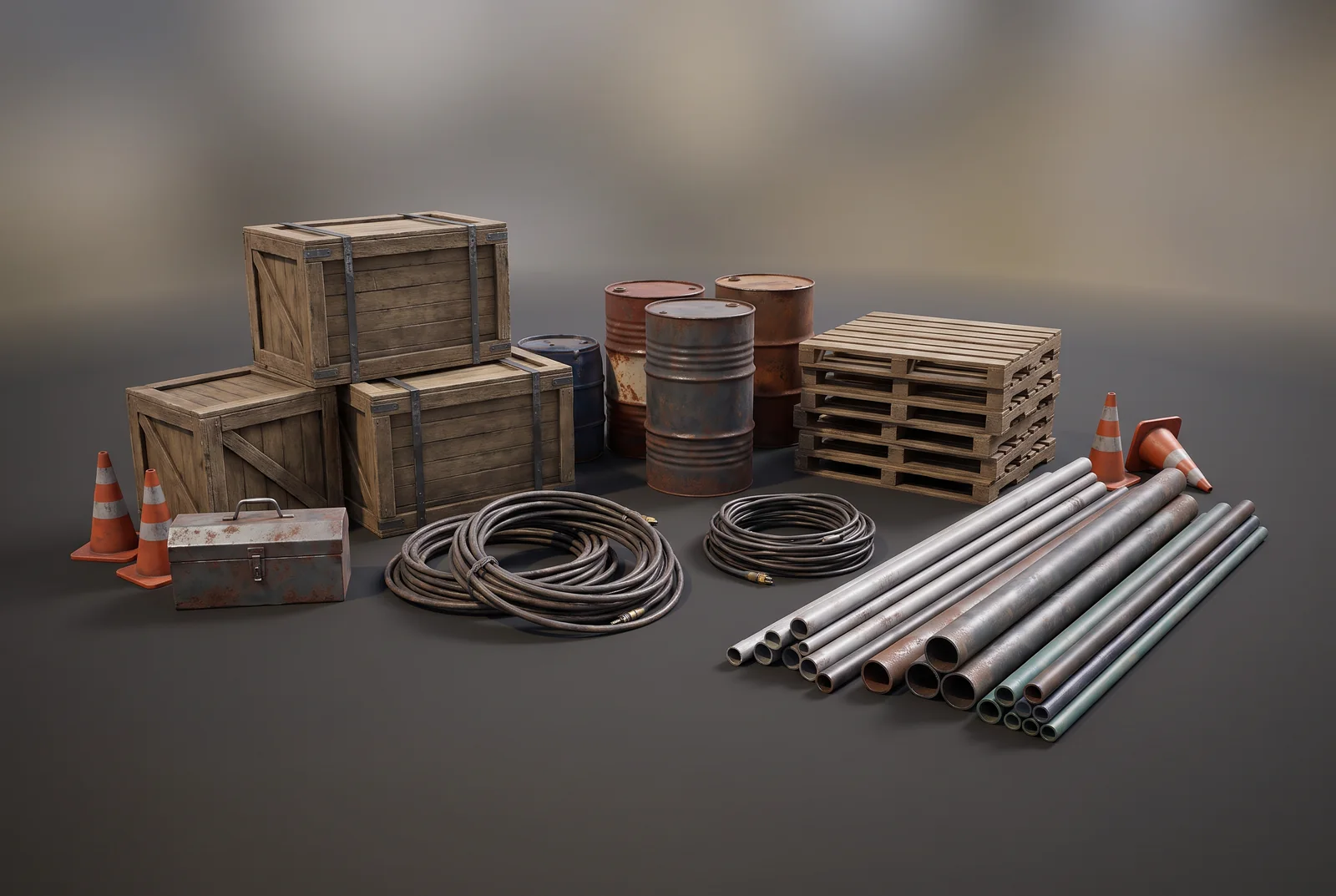
Set dressing
The unglamorous volume work. Fixtures, fittings, signage and clutter, at the budget you set, in the naming convention your project already uses.
What game art outsourcing looks like as a brief
Game asset outsourcing usually means one of three requests.
 BeforeAfter
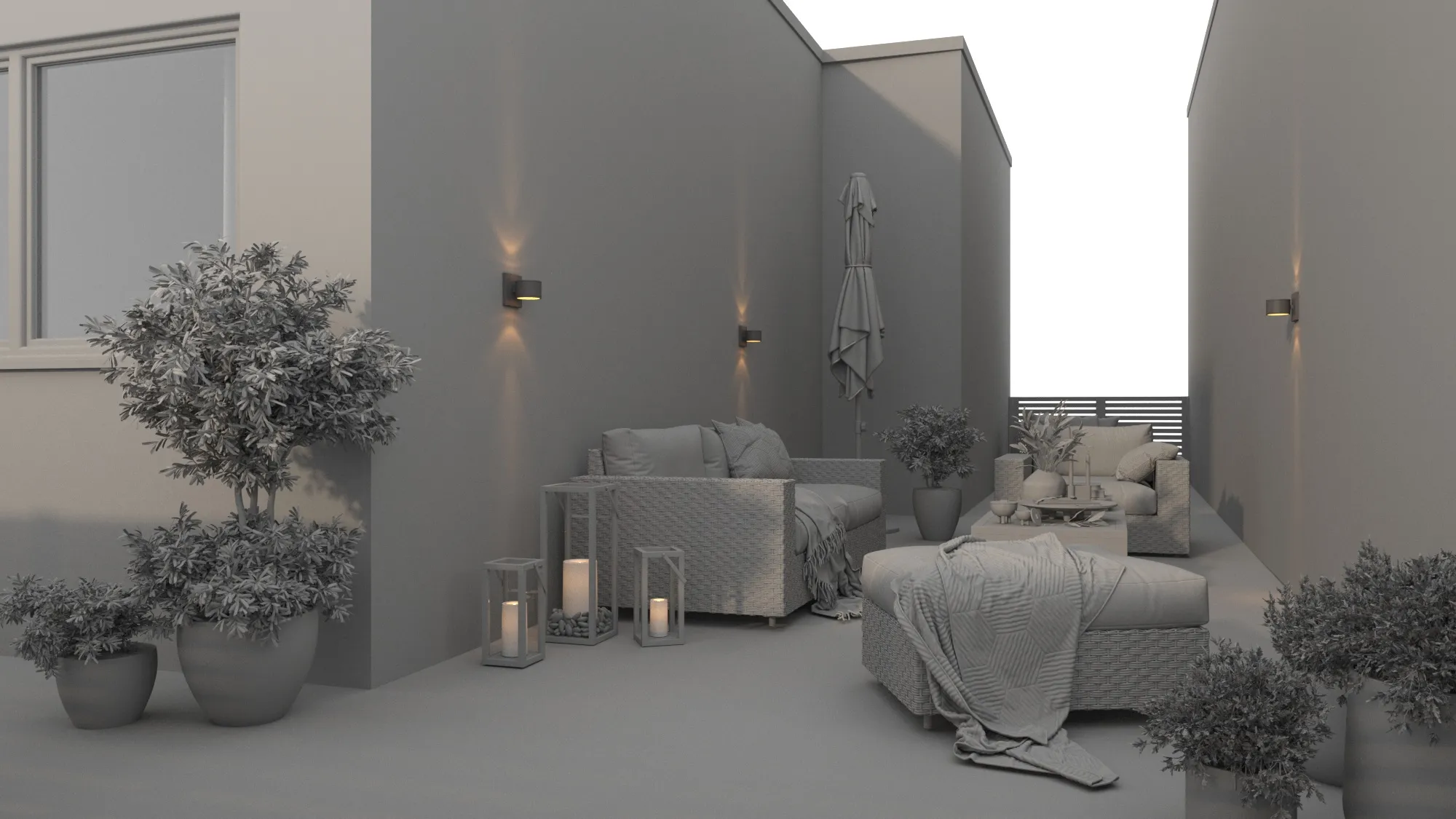
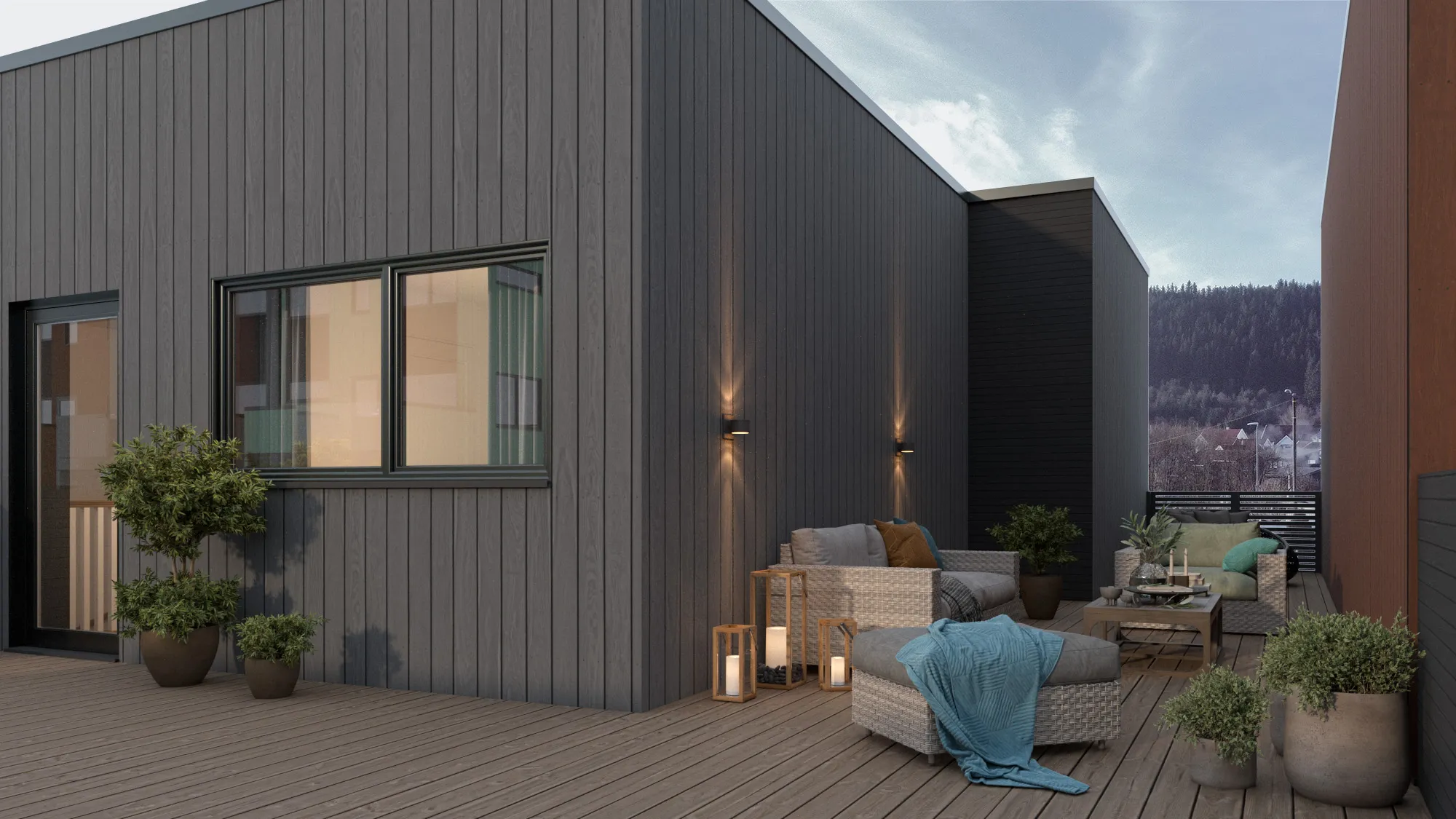
An exterior set piece
A building or stretch of terrain a player walks around rather than through, modelled to plan so the massing holds up at a distance.
 BeforeAfter
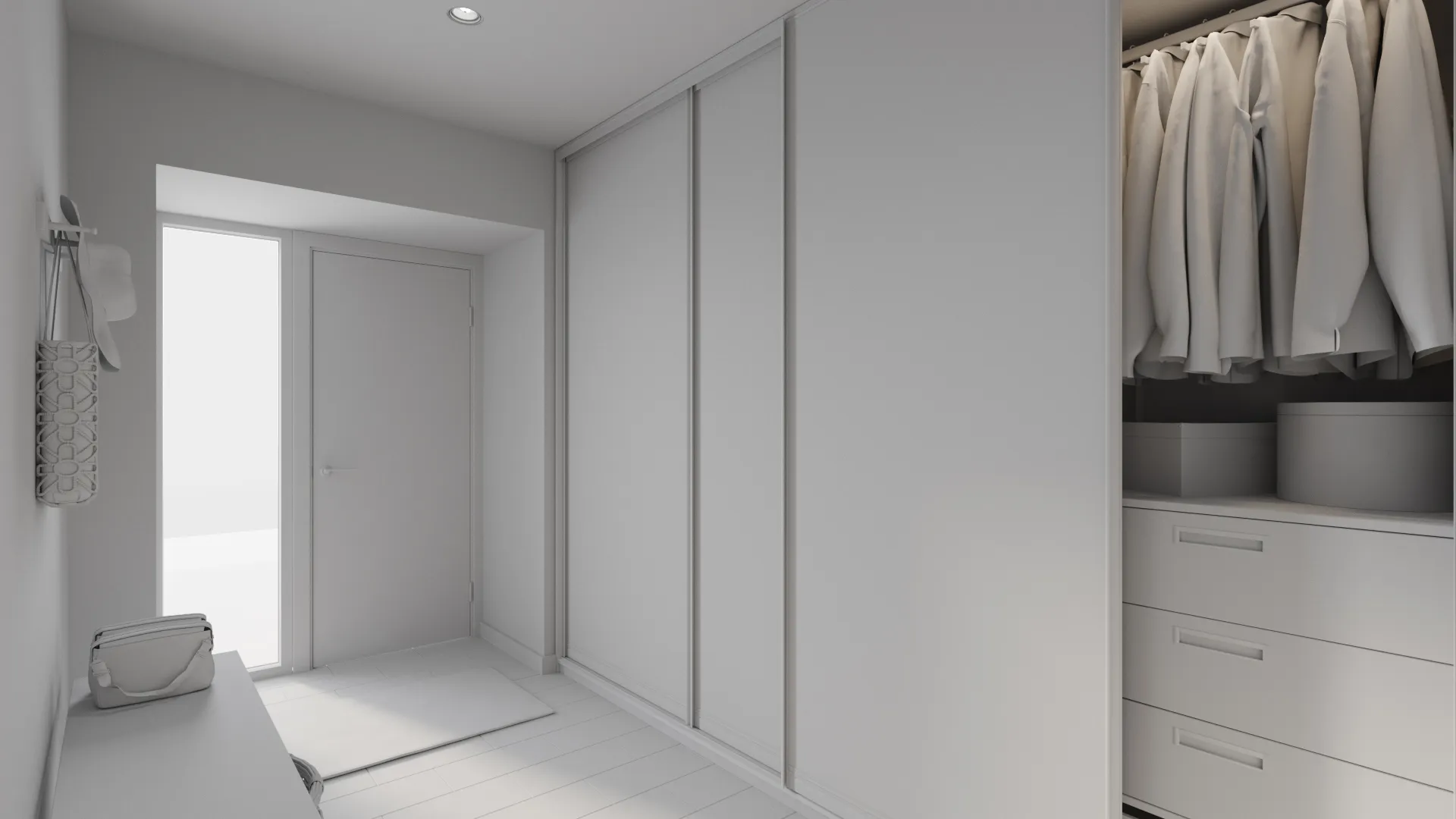
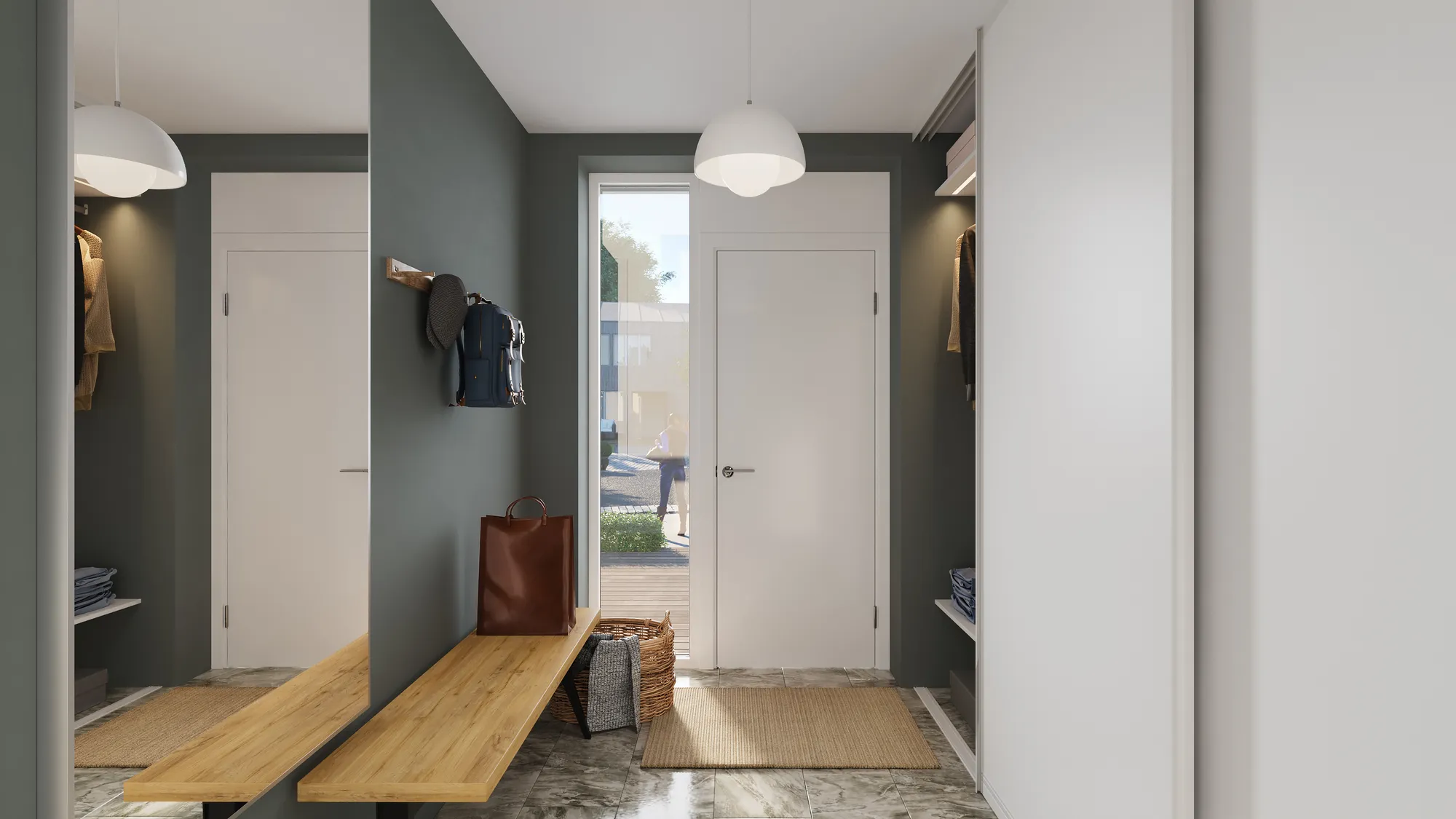
An interior a player can enter
Real-world scale and clean UVs from the first pass, so lighting and navigation work the day the asset lands.
 BeforeAfter
A hero prop for the close-up
The object the camera gets closest to, built at the density that survives it, with a lower-poly sibling alongside it.
A studio partner, not a render farm
European delivery, workable time zones
An Estonian studio working since 2013 across the Nordics, the Baltics, Europe, the UK, the US, Canada and Australia. Comments in the evening, a revised frame by morning.

Confidentiality as standard
Unconsented schemes, competition entries and unannounced launches are commercially sensitive. We work under NDA without being asked and never publish a project without permission.

You brief the artist, not a queue
No account-manager layer. Send the files, get a real number, talk to the person building the scene. Fewer hand-offs is why the first preview lands closer to right.
One consistent visual language
Across a set, or across years of repeat work, the light, materials and camera discipline hold. Ten freelancers cannot do that, and it is visible on page four of a brochure.
Three ways studios commission the work
A fixed-price asset list
Send the list and the spec, get one number back: the default, and what a test piece runs under.
Time and materials for a live production
Assets added sprint by sprint against a monthly cap, not re-quoted each time the list changes.
A dedicated seat on the pipeline
A fixed number of hours held open each month, briefed like an in-house artist for an unannounced title.
Four stages, whatever you commissioned
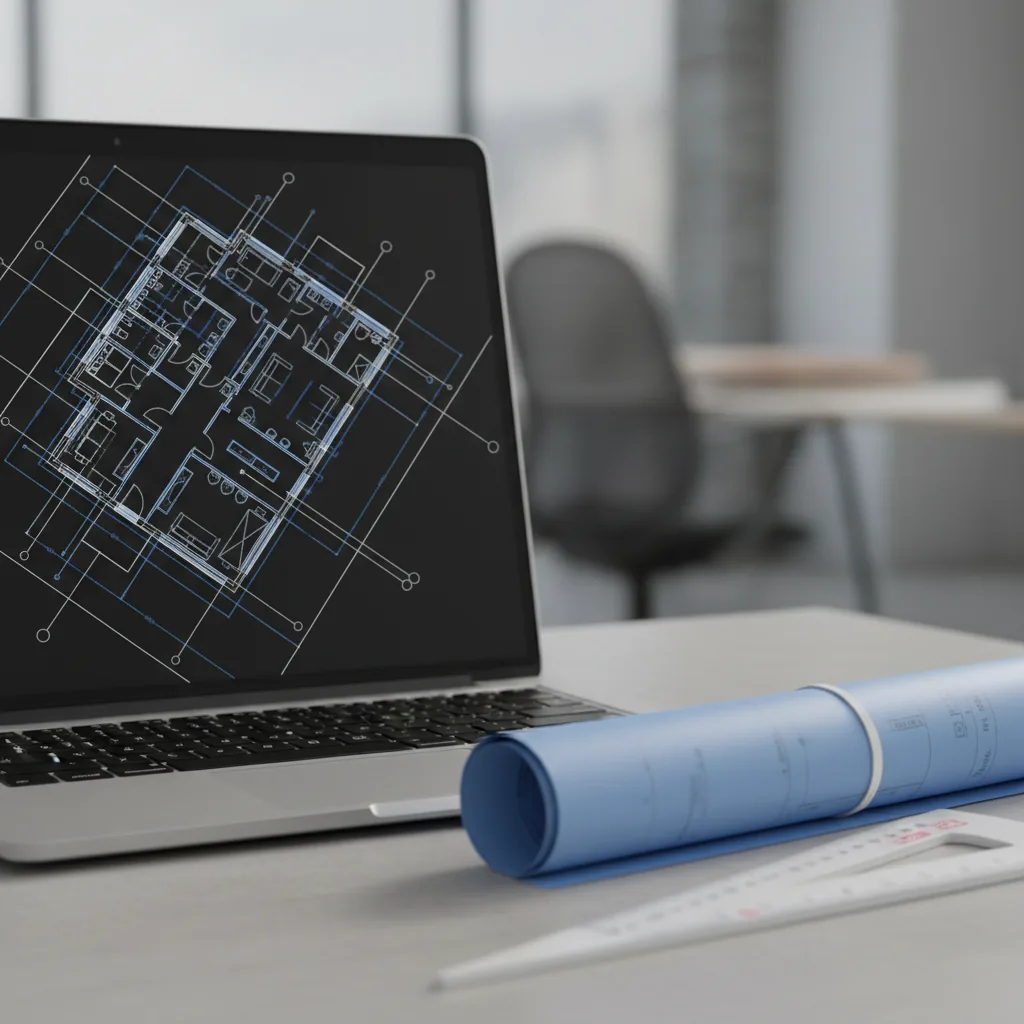
Brief
Brief and fixed quote
Upload CAD, PDF, Revit or SketchUp files, or a photo of a sketch. We prepare the brief from your files, so there is no questionnaire. You get one fixed project price and a delivery date within 30 minutes.
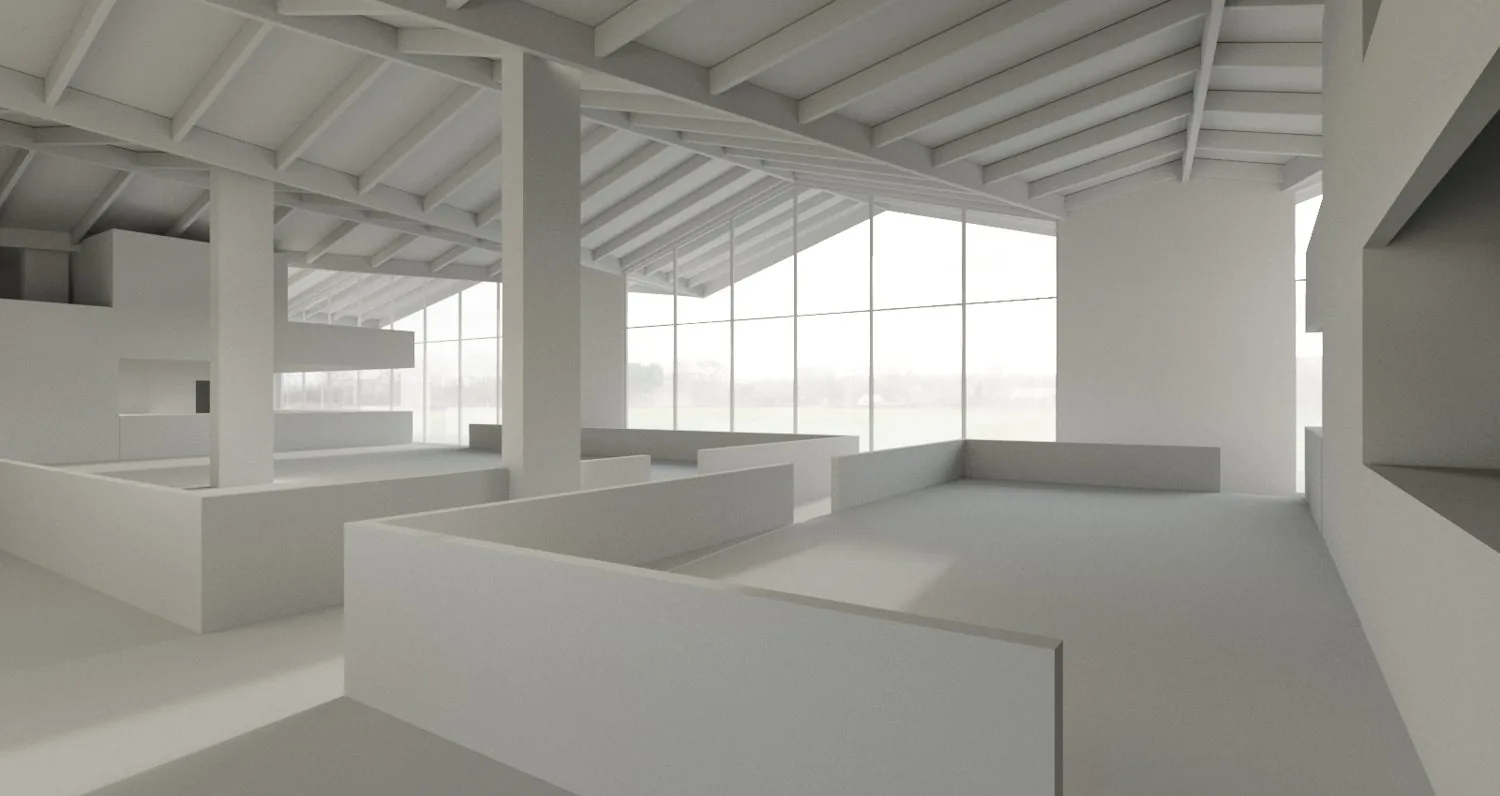
Days 1-3
Clay model
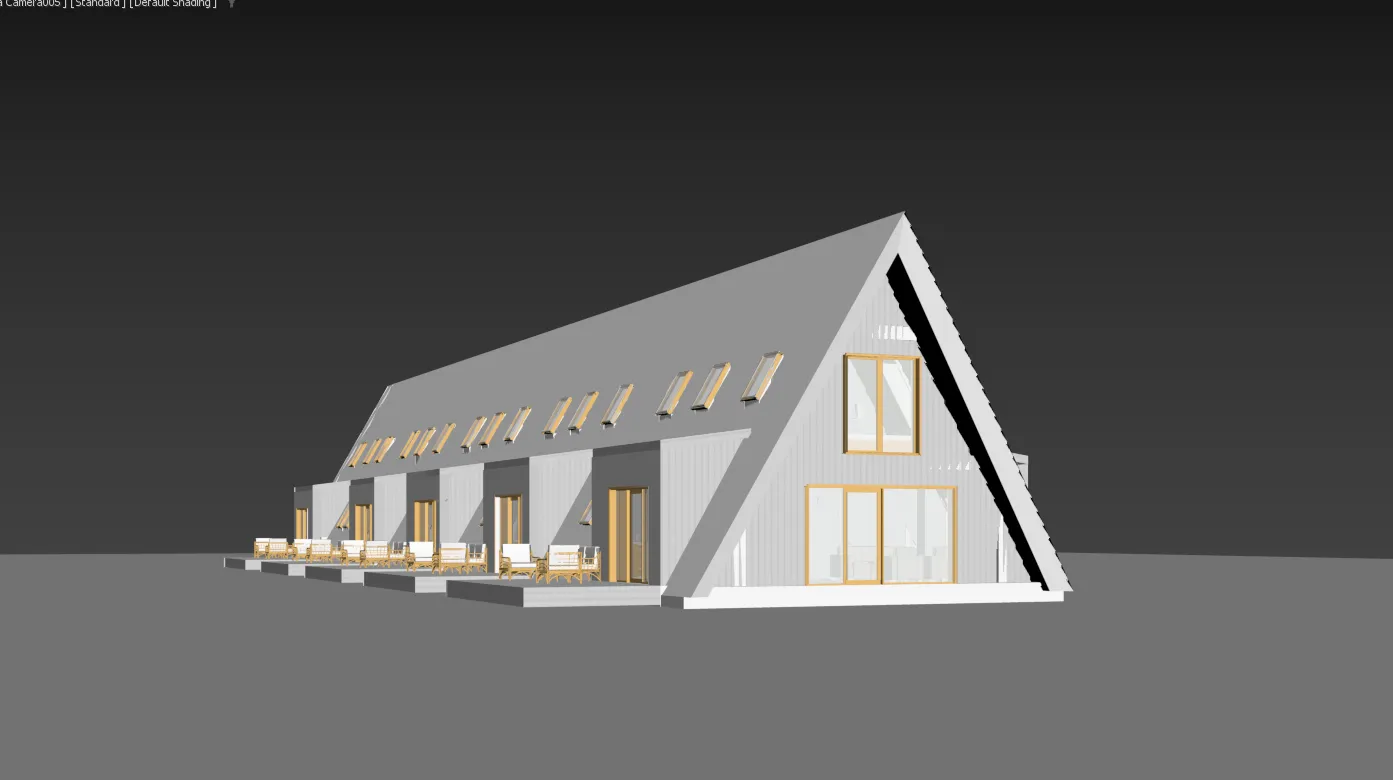
We build the 3D model without materials and place the camera. The viewpoint, lens, height and time of day are agreed on this grey model, when changes are quick and cheap.
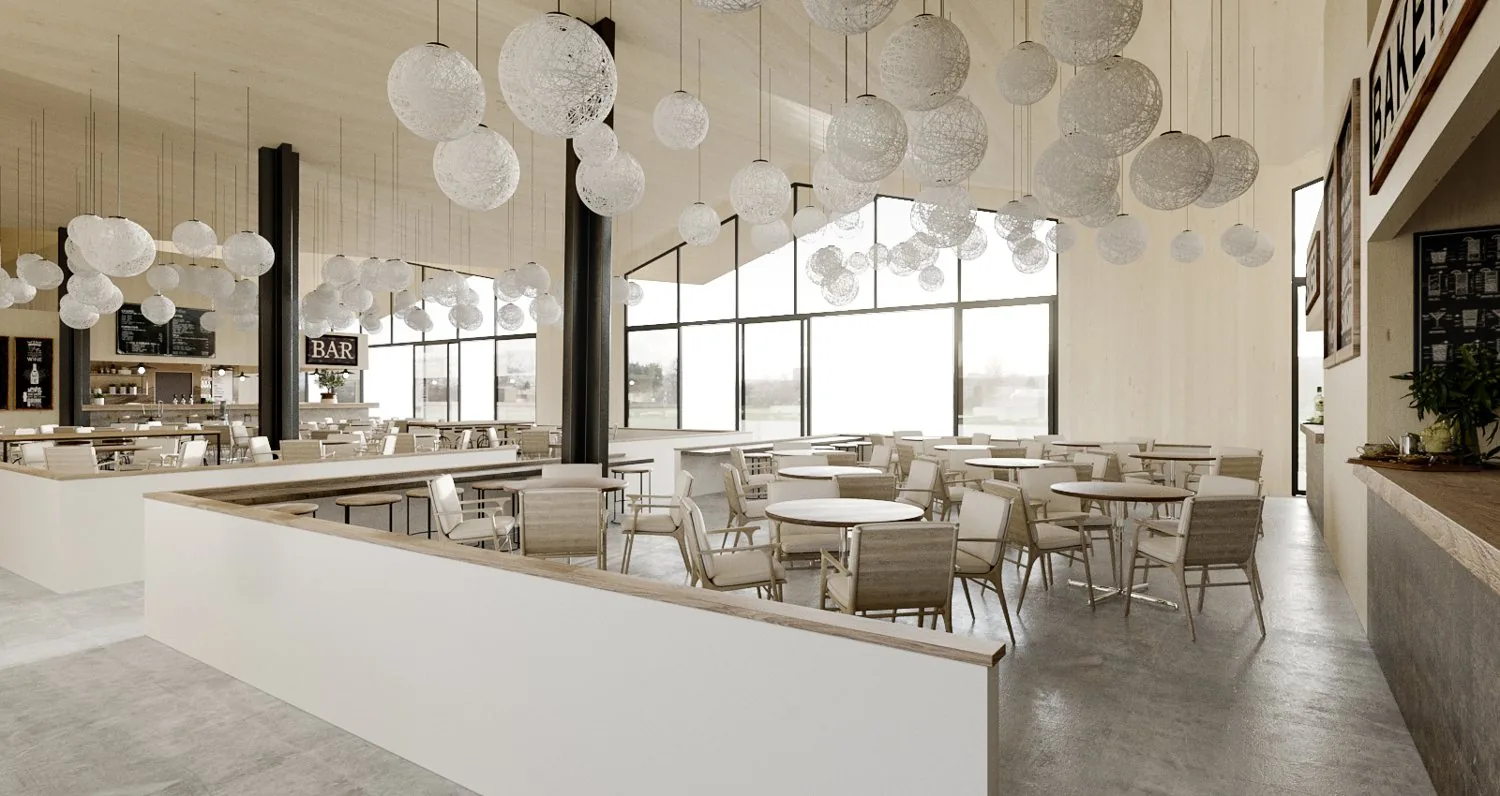
Week 1
Preview render
The same view with materials, lighting and surroundings added. You see it early, while the light and the finishes can still be changed easily. 2 revision rounds are included, and we keep refining until you approve.
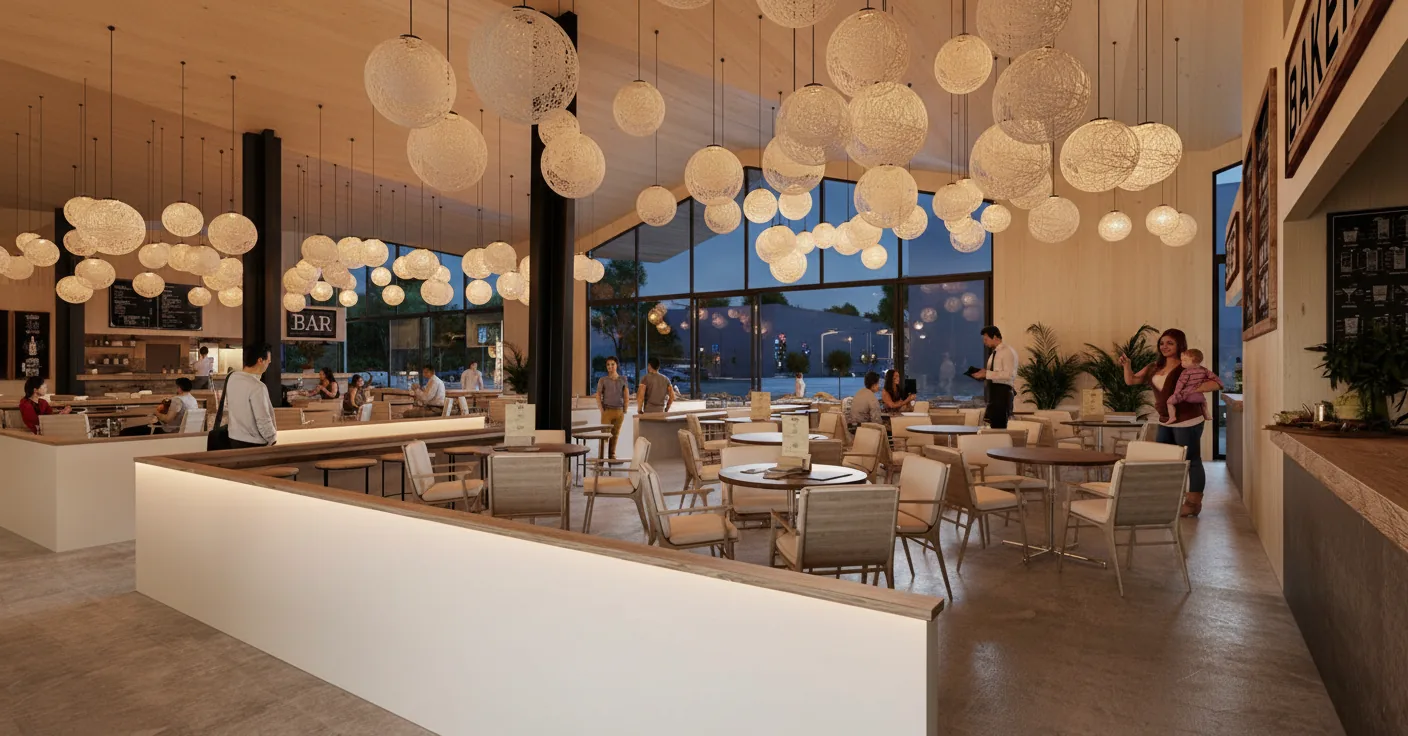
Delivery
Final render
The approved image, fully finished and delivered in 4K, with larger sizes for print on request and full usage rights. Every further view in the set uses the scene already built, so each extra image costs much less than the first.
Built to a drawing, delivered to a pipeline
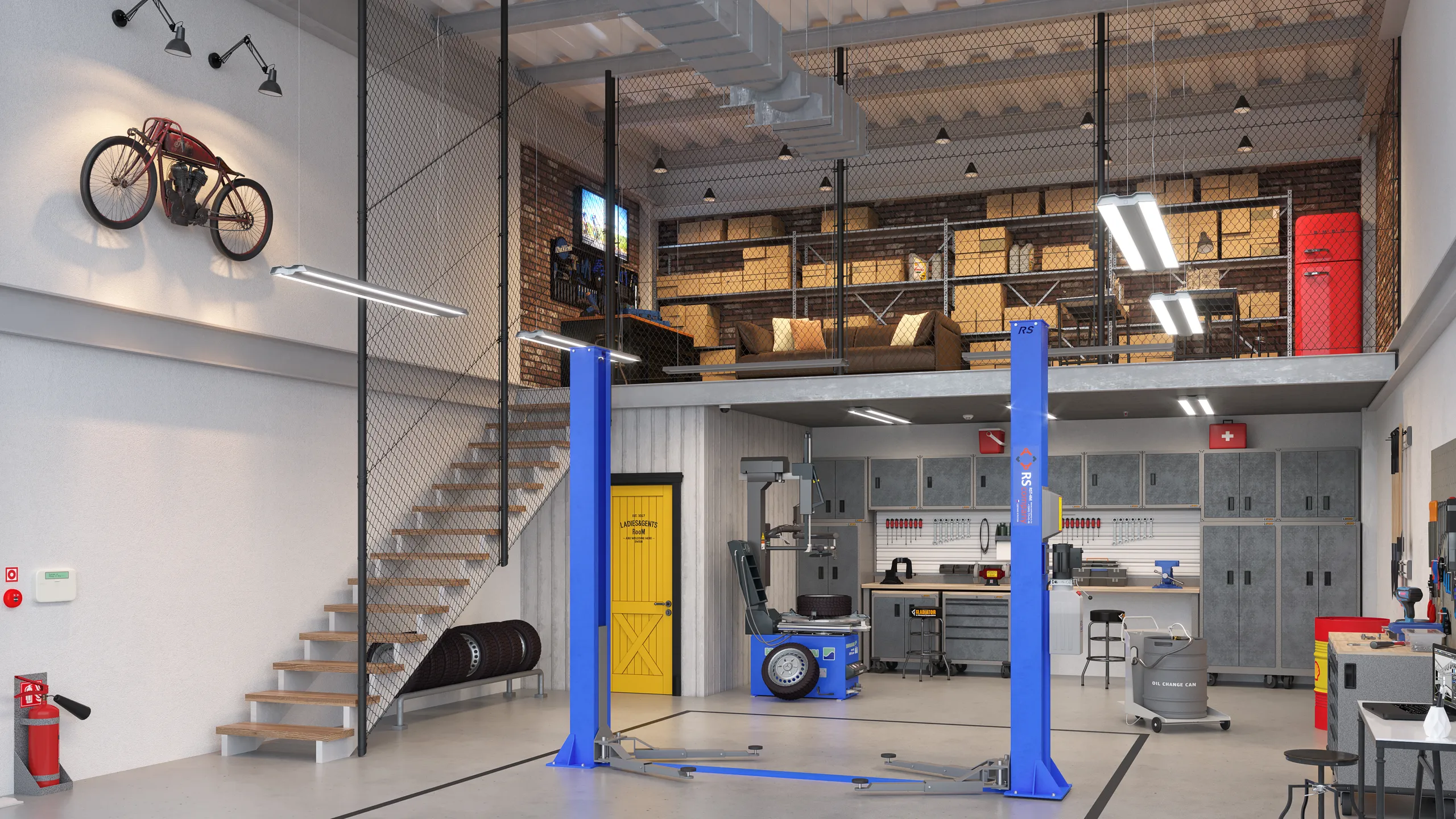
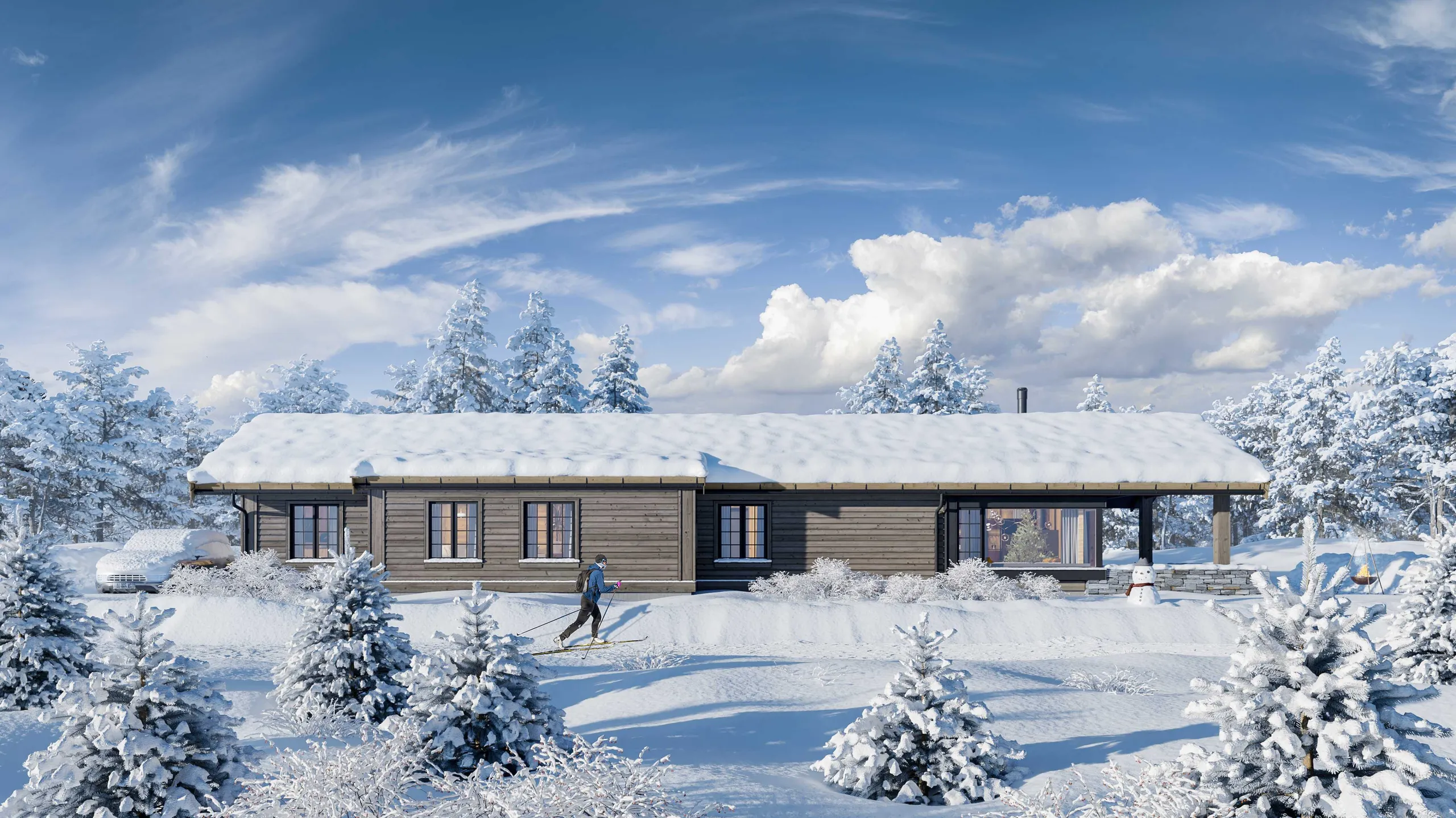
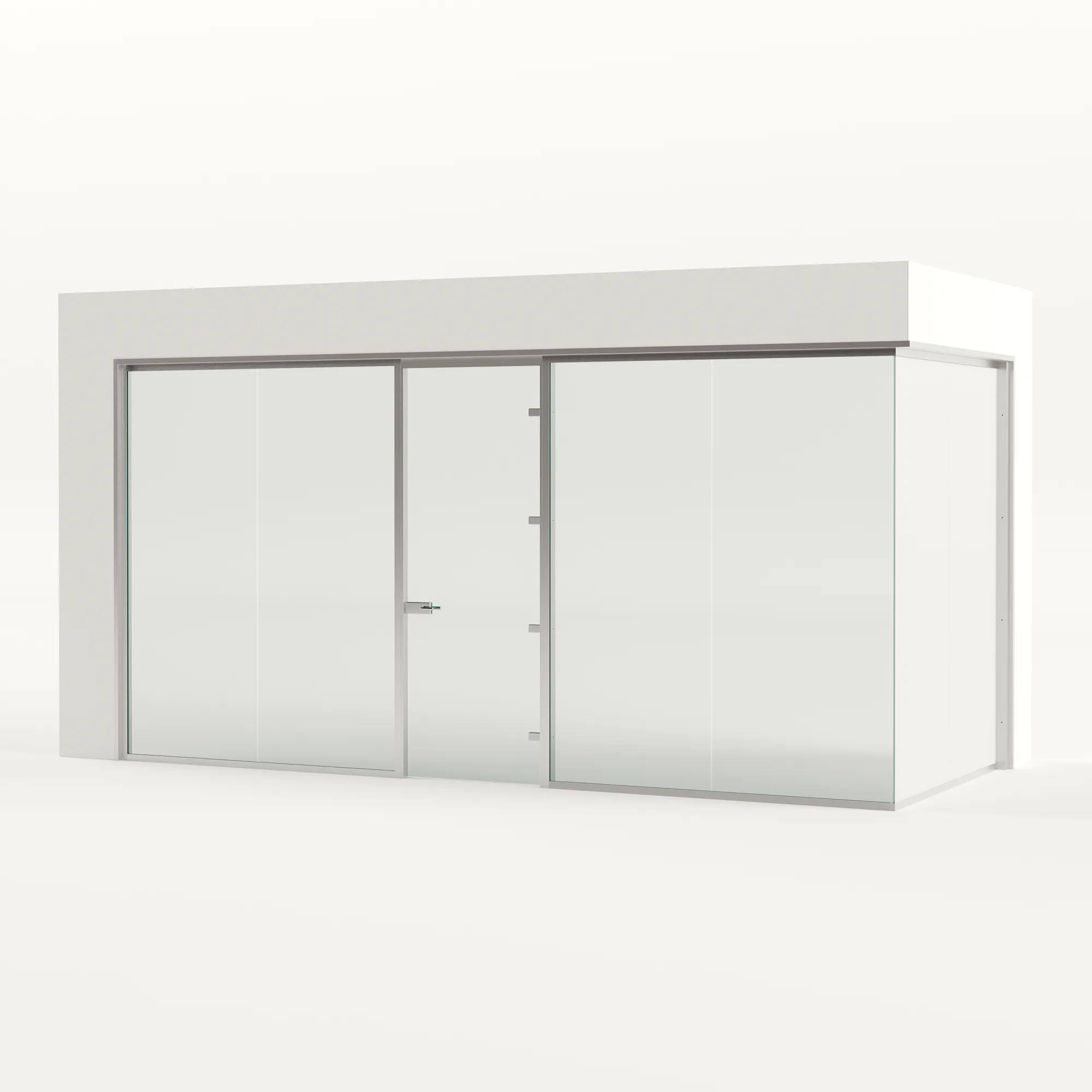
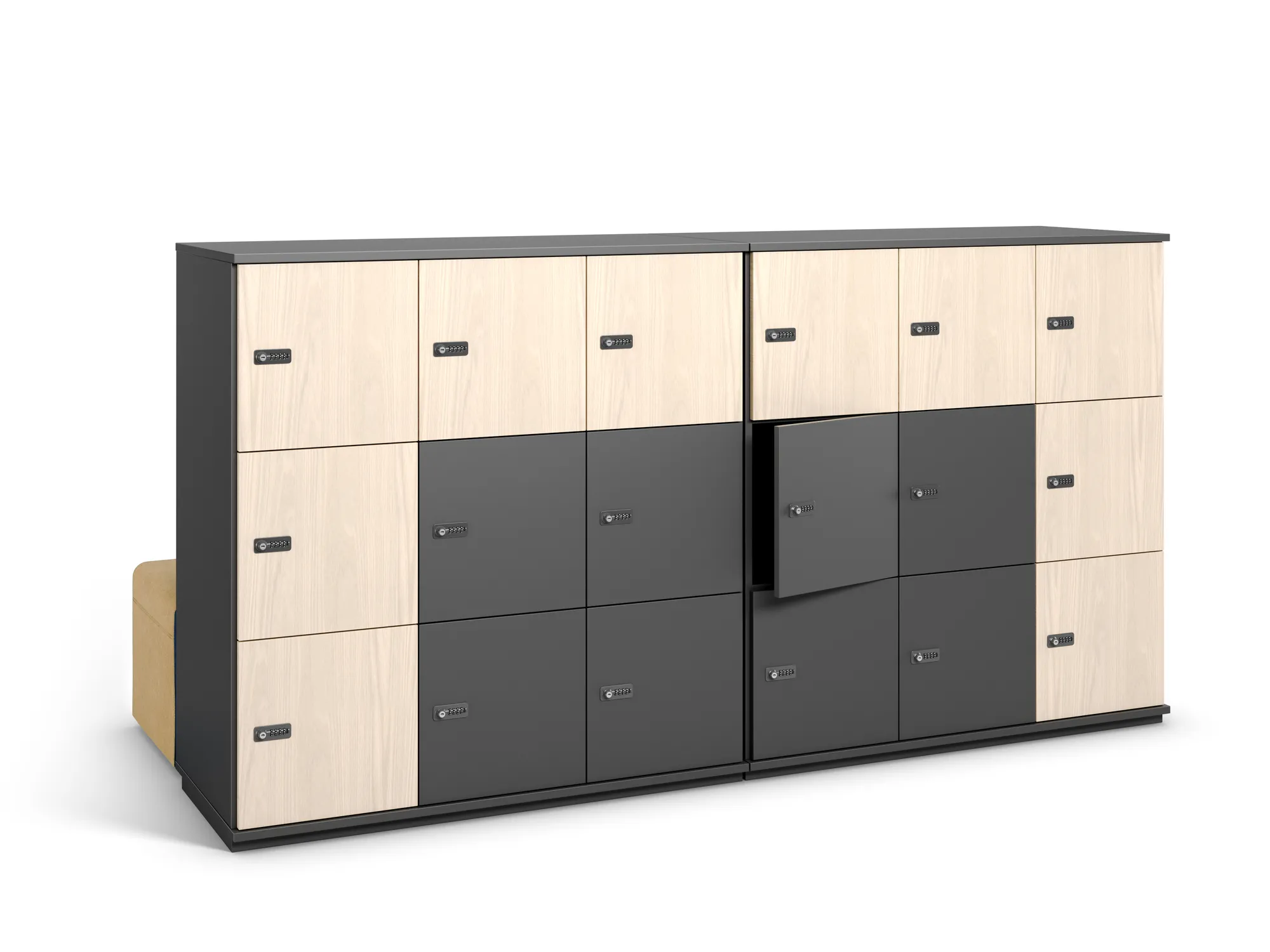
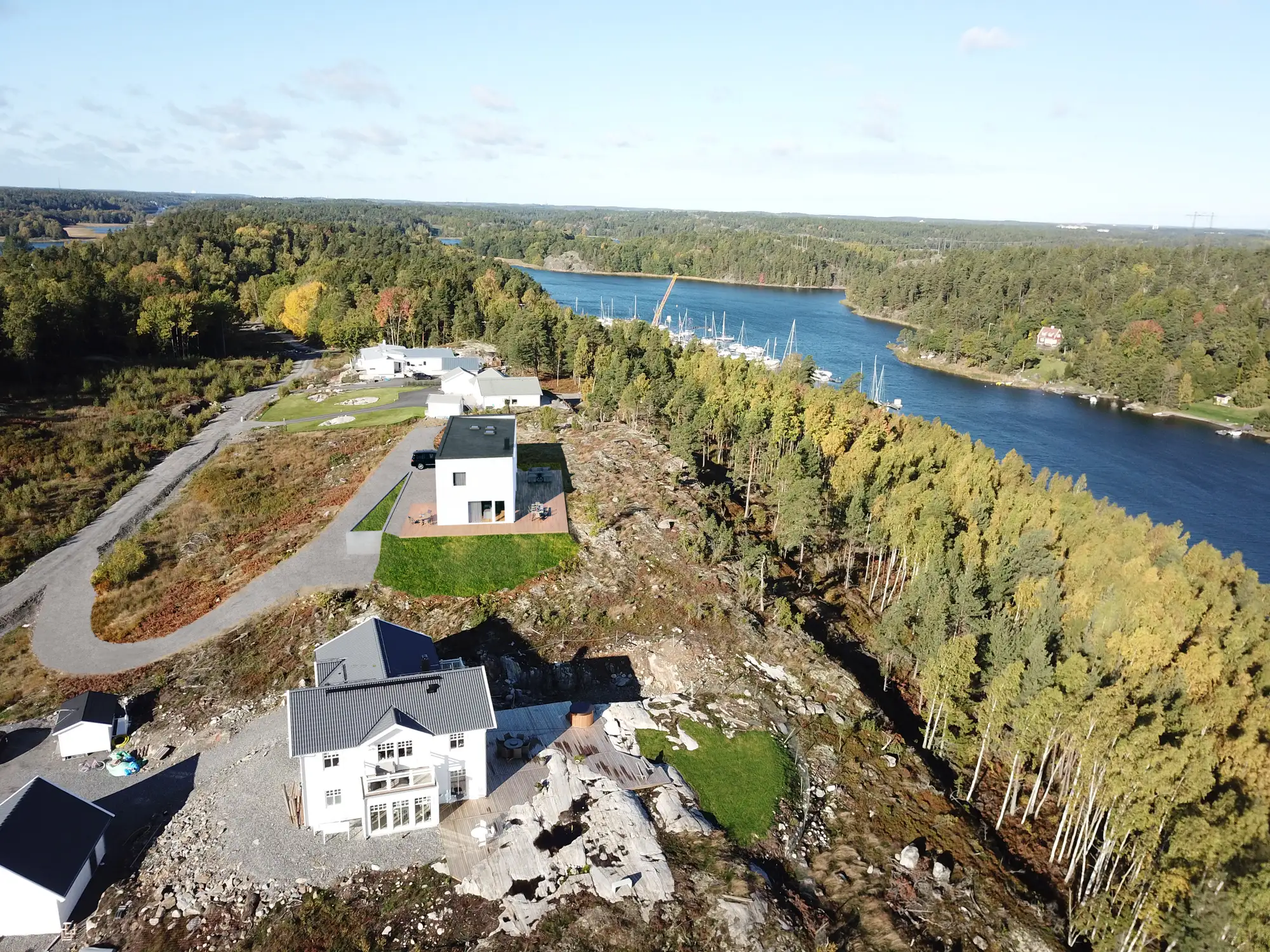
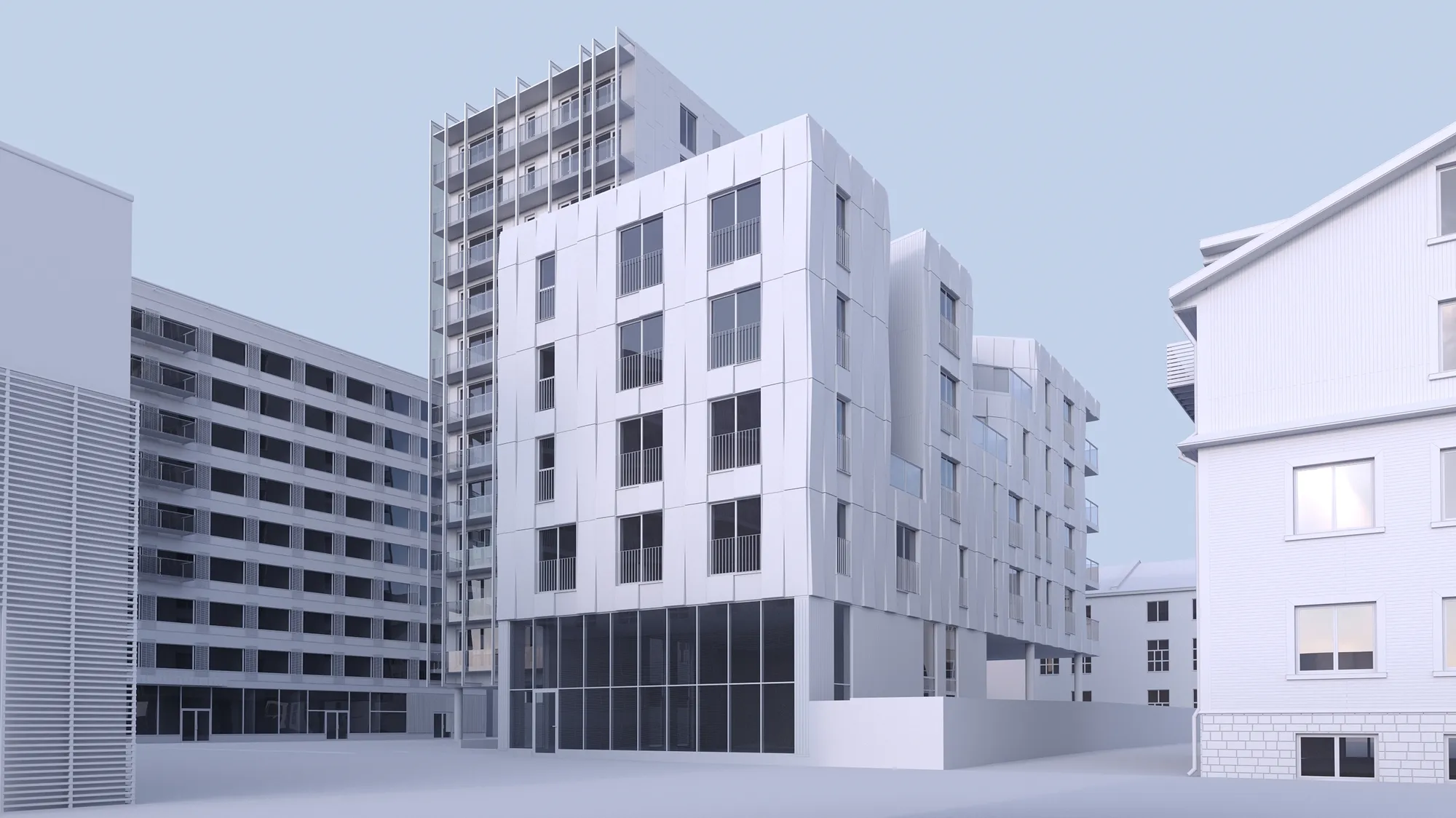
Architectural work rather than shipped game art, because most of the game work is under NDA. The modelling discipline is the same one.

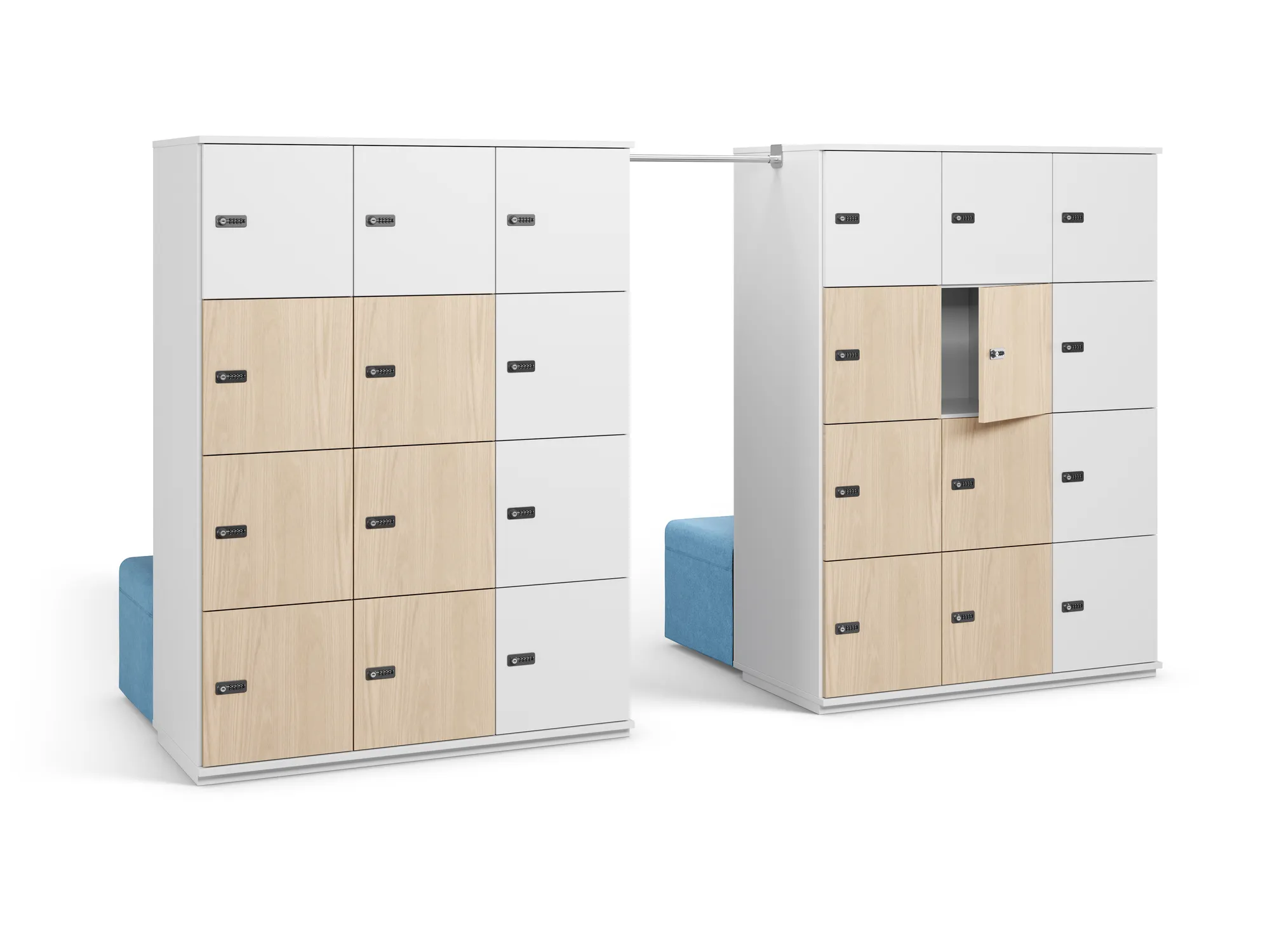
What actually moves a game asset quote
What studios that outsource game art usually ask about first.
-
Asset count and complexity mix
Forty simple props price differently to ten hero assets with baked normal maps: tell us the mix, not just the count.
-
Triangle budget and target platform
Mobile and Quest budgets run stricter than PC or console, and LOD depth follows suit.
Free guide
The Game Art Outsourcing Buyer's Guide
What moves the quote, and what to send to get one fast.
- What actually moves a game asset quote up or down
- The exact spec fields to send for a same-day estimate
- How to brief a test piece so it proves the fit
- One fixed number back in 30 minutes, no sales call
Opens the upload form. Send what you have; no sales call.
How we plug into your workflow
We are used to being one supplier among several, so slotting into an existing art bible is normal rather than an exception.
What we accept
Asset listA spreadsheet, a Jira export, or a paragraph. Whatever form the list is already in
Technical specTriangle budgets, texel density, naming convention, channel packing, engine version
ReferencesA reference board, an art bible, or existing in-project assets to match against
DrawingsWhere the subject is a real or designed building: plans, sections, elevations, CAD
A test pieceA small paid test before a batch is normal and we recommend it
What you receive
MeshesFBX or glTF, or an Unreal or Unity package that drops into the project
TexturesPBR sets at your resolution, in your channel packing, with the source files
LODs and collisionAuthored LOD chains, simple separate collision, not a decimation pass
A manifestA short document listing what is in the delivery and what each piece is
The scene filesYours, so a change after handover does not have to come back to us
What else comes out of the geometry
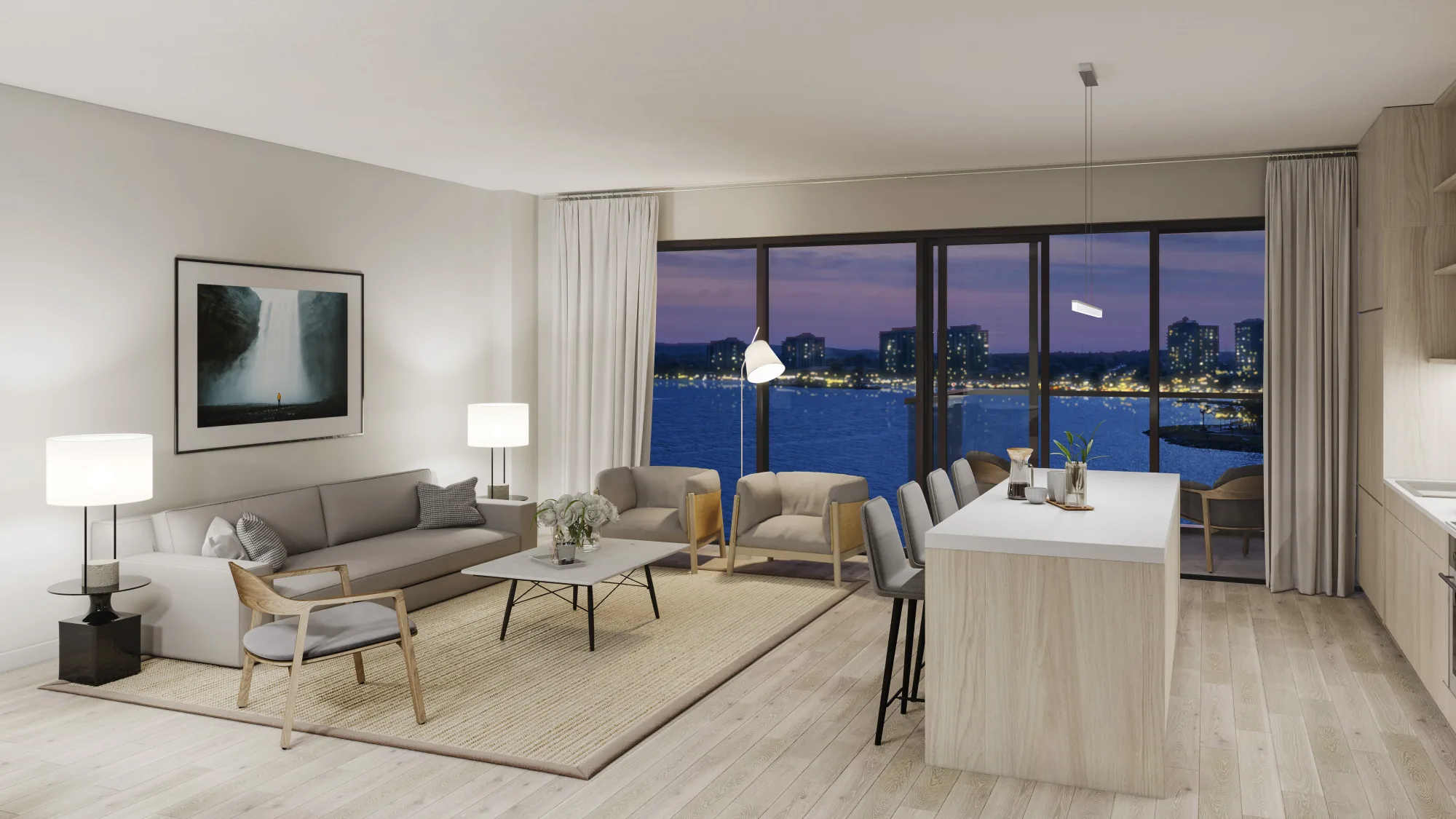
Interior rendering
Photoreal stills of the same interiors, for a store page or a pitch deck.
Interior rendering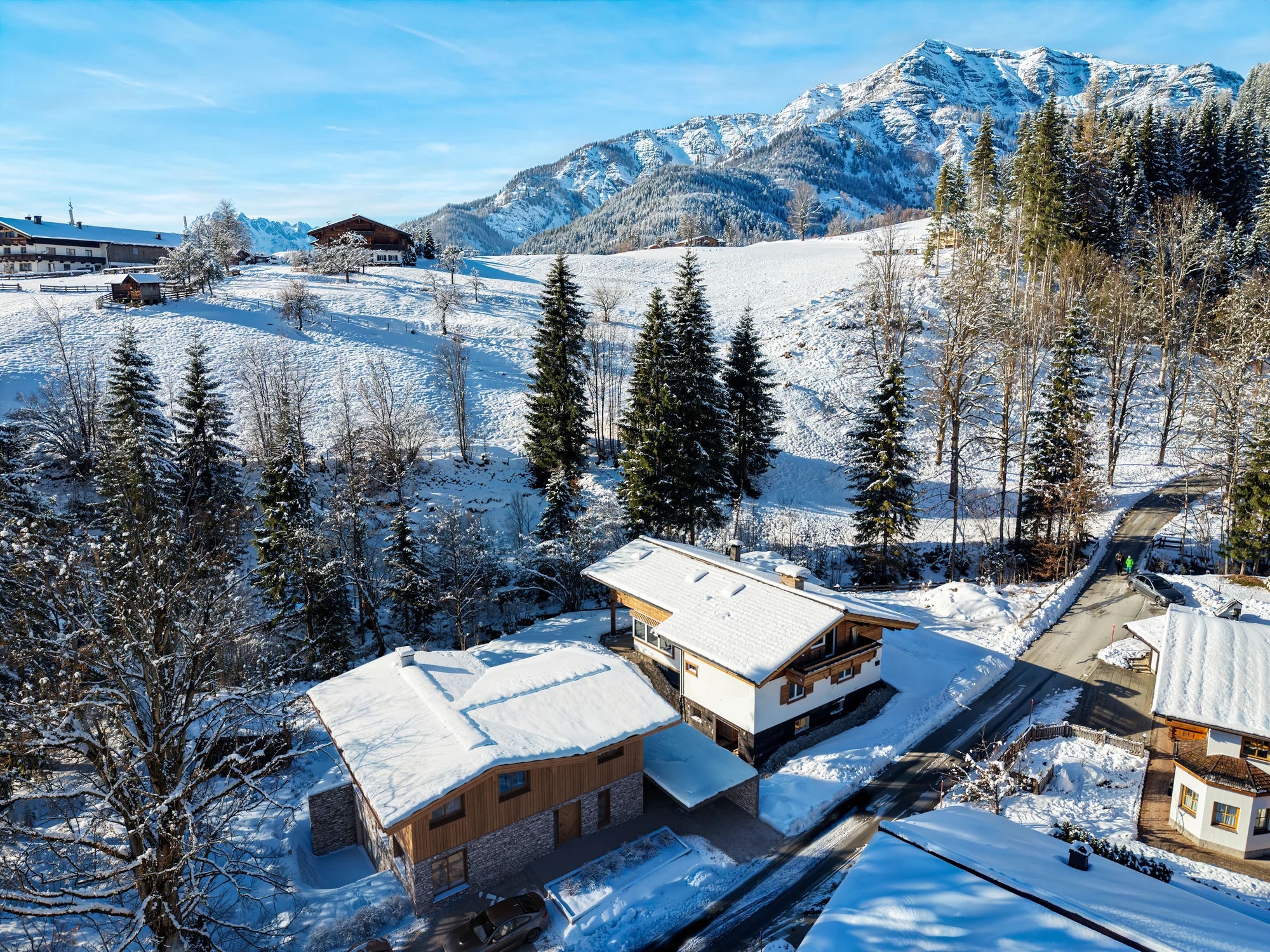
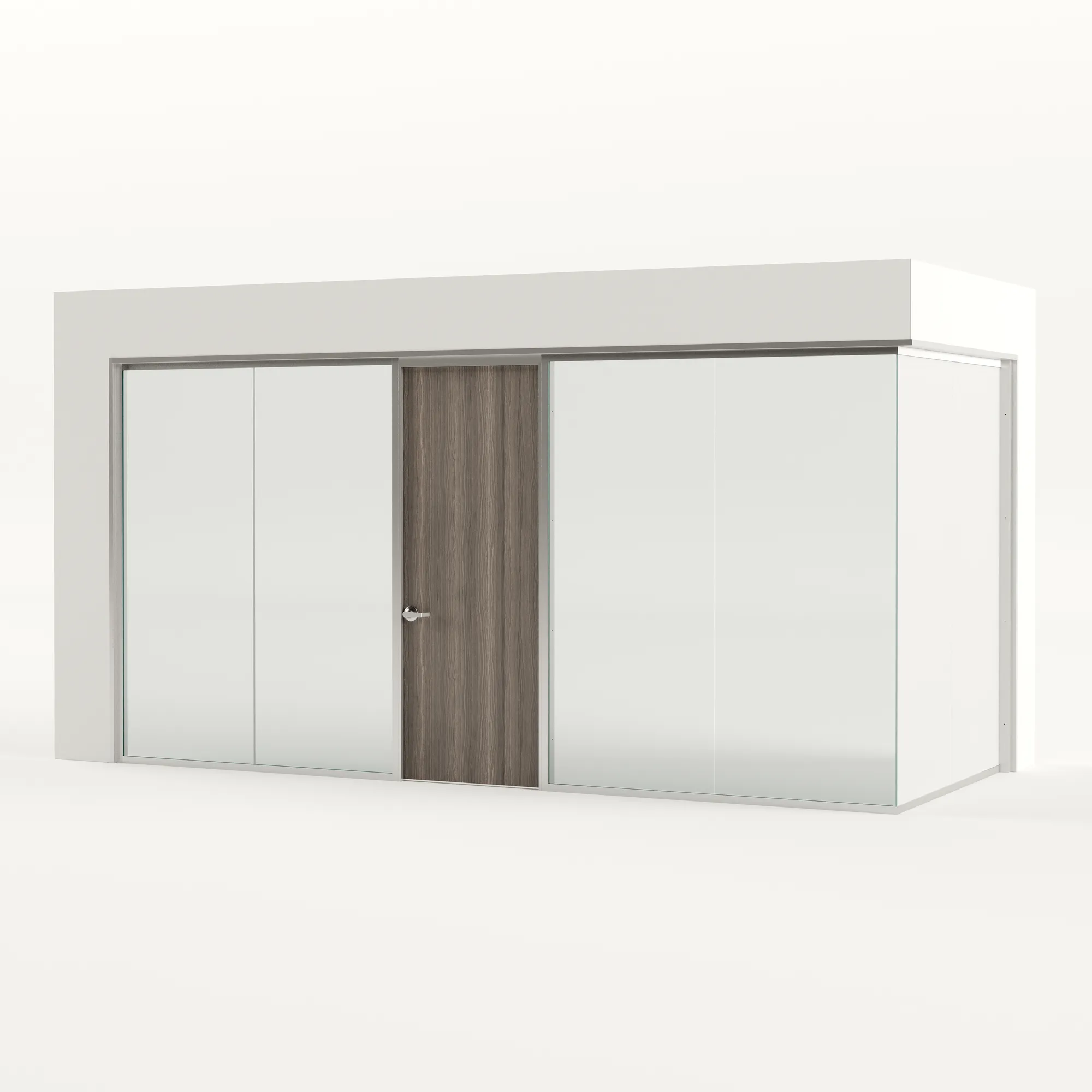
Product rendering
Single objects on white for a catalogue, a configurator or a marketplace.
Product renderingGame art FAQs
The questions we are asked most before a project starts. Still unsure? Send the drawings and we will tell you what we would do with them.
Ask us directlyDo you work to our triangle budget and naming convention?
Yes, and we ask for both before quoting rather than after. Budgets are per asset class rather than a single number, so a hero prop and a background mesh get different targets. Naming conventions are followed exactly, including any prefix or suffix scheme your project uses, because a delivery that has to be batch-renamed on arrival is a delivery that cost you time.
Which engines do you deliver into?
Unreal and Unity as packages, or engine-agnostic FBX and glTF plus textures if your pipeline does its own import. We can match an existing material setup if you send one example asset that is already in the project, which is usually faster than describing the setup in writing.
Are the LODs generated or authored?
Authored. Automatic decimation is fine for organic shapes and poor for architecture: it eats the silhouette, and a building at LOD2 stops reading as that building. We build the chain by hand so the profile survives, then check it at the distances the level actually uses.
Can we start with a test piece?
We recommend it. A single asset at your spec, paid, before any batch is committed. It surfaces the pipeline mismatches that are invisible in a brief, and it costs both of us far less than discovering them across forty meshes.
Do you sign an NDA?
As standard, without being asked. Unannounced titles are the normal case rather than the exception. Nothing is published without written permission, which is why the work shown on this page is architectural rather than game work.
Can you match an existing art style?
Usually. Send the existing assets rather than a description: matching to a real mesh and a real material setup is a solvable problem, and matching to an adjective is not. If the style is a strong stylisation rather than realism, say so early, because that changes who on the team should build it.
Do you do character or creature work?
No. Environments, architecture, props and hard-surface assets are what thirteen years of building buildings makes us good at. Characters, rigging and animation of creatures are a different craft and you would be better served elsewhere.
How is it priced?
Per project rather than per asset, quoted once we have the list and the spec. A batch of similar meshes costs markedly less per piece than the first one, because the setup is shared. You get one fixed number and a date within 30 minutes of sending the list.
Can you work on a project in my country?
Yes. A game studio is the easiest kind of client to serve remotely: the brief is a spec sheet and a reference board, the delivery is a package, and neither needs anyone in the same room. Since 2013 we have delivered work to clients in 17 countries from Estonia, over file transfer and video calls. A team several time zones away sends its review notes at the end of its day and has the revised mesh by the start of the next one.
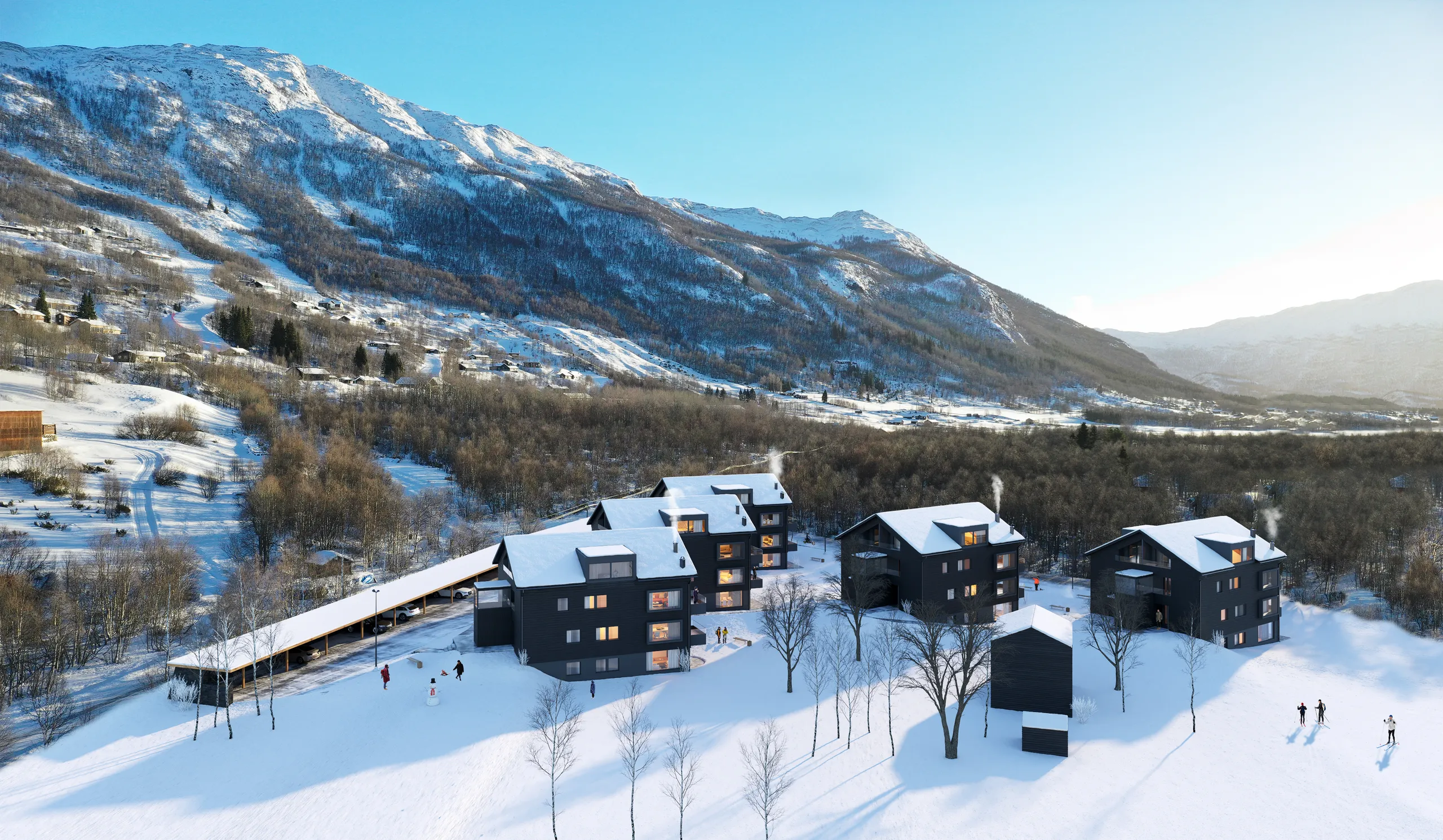
Send the asset list and the spec, get a fixed quote in 30 minutes
Art directors and producers: one number and a delivery date back, built to your triangle budget and naming convention, with a paid test piece first if you want one.
We take a limited number of projects each month.