
Renderizado 3D para agencias inmobiliarias
Renderizado 3D para agencias inmobiliarias, a partir de su propia fotografía o de los planos del promotor. Una habitación vacía, anticuada o alquilada se fotografía mal, sin importar quién tome la foto. Nosotros la amueblamos, la renovamos o la construimos a partir de los planos, y usted es propietario de cada imagen sin restricciones.
- Escenificado a partir de su propia fotografía, misma posición de cámara, para que el antes y el después coincidan
- Un precio fijo por propiedad en lugar de por imagen, presupuesto en 30 minutos
- Derechos de uso completos para portales, folletos, carteles, redes sociales y prensa
Solo aceptamos un número limitado de proyectos cada mes, para que cada escena obtenga la máxima calidad.
1,247
Proyectos completados
13
Años en el negocio
17
Países a los que se ha entregado









★★★★★
Calificación 5.0 en Clutch · Ver nuestras reseñas
Arquitectos, promotores & diseñadores de interiores
Trabajando para 215 empresas desde 2013
125 de 220 clientes que regresaron
Más de la mitad de nuestros clientes nos han contratado de nuevo
La misma posición de cámara, amueblada
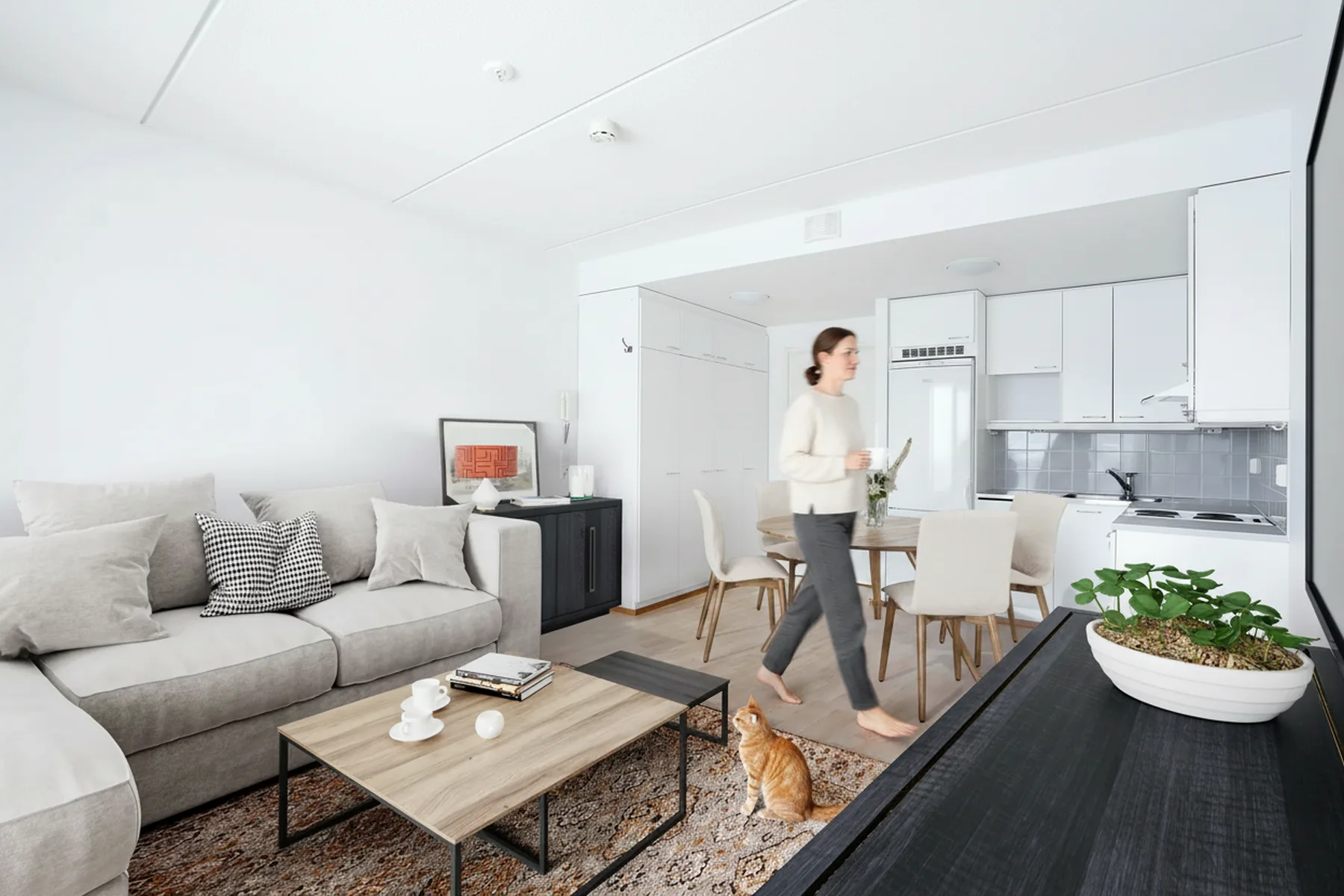
Envíe fotografías de la propiedad tal como está. Recibirá las mismas habitaciones amuebladas, iluminadas y decoradas, desde exactamente la posición en la que se encontraba el fotógrafo.
Dado que la cámara no se mueve, el antes y el después coinciden fotograma a fotograma. El vendedor puede ver qué ha cambiado, y el comprador que entra reconoce la habitación en lugar de sentirse presionado.
Esa restricción es la mayor parte del trabajo. Una escenificación que amplía discretamente el objetivo, endereza una pared o elimina un radiador embellece la imagen y arruina la visita, y un comprador que siente que la fotografía mintió no regresa con una oferta. Nosotros igualamos el objetivo, la altura de la cámara y la luz ya presentes en la fotografía, para luego colocar muebles escalados a las dimensiones reales de la habitación.
Es más rápido y sustancialmente más económico que la escenificación física, no hay nada que entregar ni recoger, y el piso puede ser re-escenificado para un perfil de comprador diferente sin mover un solo mueble. Un esquema familiar y un esquema para profesionales jóvenes a partir de una misma sesión es normal.

Despejar la habitación precede a amueblarla
La mayoría de los agentes inmobiliarios envían fotografías exactamente como la cámara las capturó: una caja suelta, un taburete o correo sobre la encimera. Eso se despeja como un paso propio y nombrado antes de colocar los muebles, con un precio y mostrado como trabajo realizado en lugar de un retoque no mencionado.
Un inquilino no tiene que mudarse para ello
La limpieza se aplica a la fotografía, no a la habitación, así que un piso ocupado se escenifica a partir de lo que se fotografió ese día. Nadie empaca una caja o despeja un estante para la cámara, y el contrato de arrendamiento continúa sin cambios.
Vea una habitación despejada y escenificada, antes y después.
Tres cosas que un anuncio deja de perder
01
La habitación está vacía, anticuada o aún habitada
Una habitación vacía parece pequeña y fría en una miniatura. Una ocupada parece el hogar de otra persona. Ambas le cuestan el clic antes de que alguien llegue a la descripción, y ninguna se soluciona con un mejor fotógrafo. La escenificación arregla la imagen sin tocar la propiedad, así que no se le pide a ningún inquilino que se mude ni a ningún vendedor que gaste antes de que el anuncio se publique.
Reescenificar es barato una vez que la escena existe. Un diseño familiar y una versión de dos dormitorios más estudio surgen de la misma fotografía, sin una segunda sesión.

02
La propiedad necesita trabajo antes de que alguien pague por ella
Cuando una propiedad necesita trabajo, la venta honesta es mostrar en qué se convierte en lugar de pedir a un comprador que lo imagine. La reforma propuesta se renderiza sobre la estructura existente, así que las posiciones de las paredes, los huecos de las ventanas y las alturas de los techos se mantienen como las que encontraría un tasador.
Eso convierte una propiedad con descuento en un proyecto que un comprador puede valorar. Las mismas imágenes funcionan en el otro lado de la conversación, para el vendedor que decide si renovar antes de vender, lo cual es una discusión que un agente suele tener sin nada que mostrar.

03
La unidad aún no existe
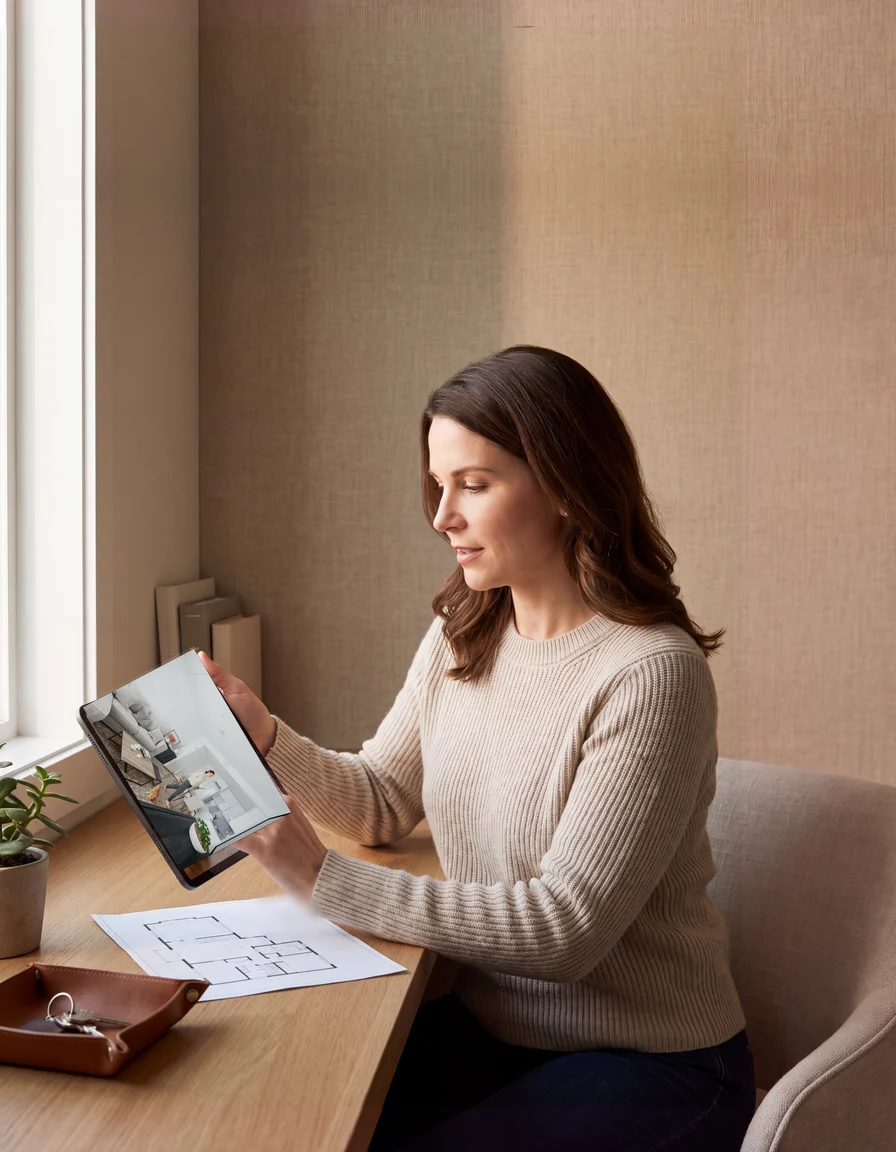
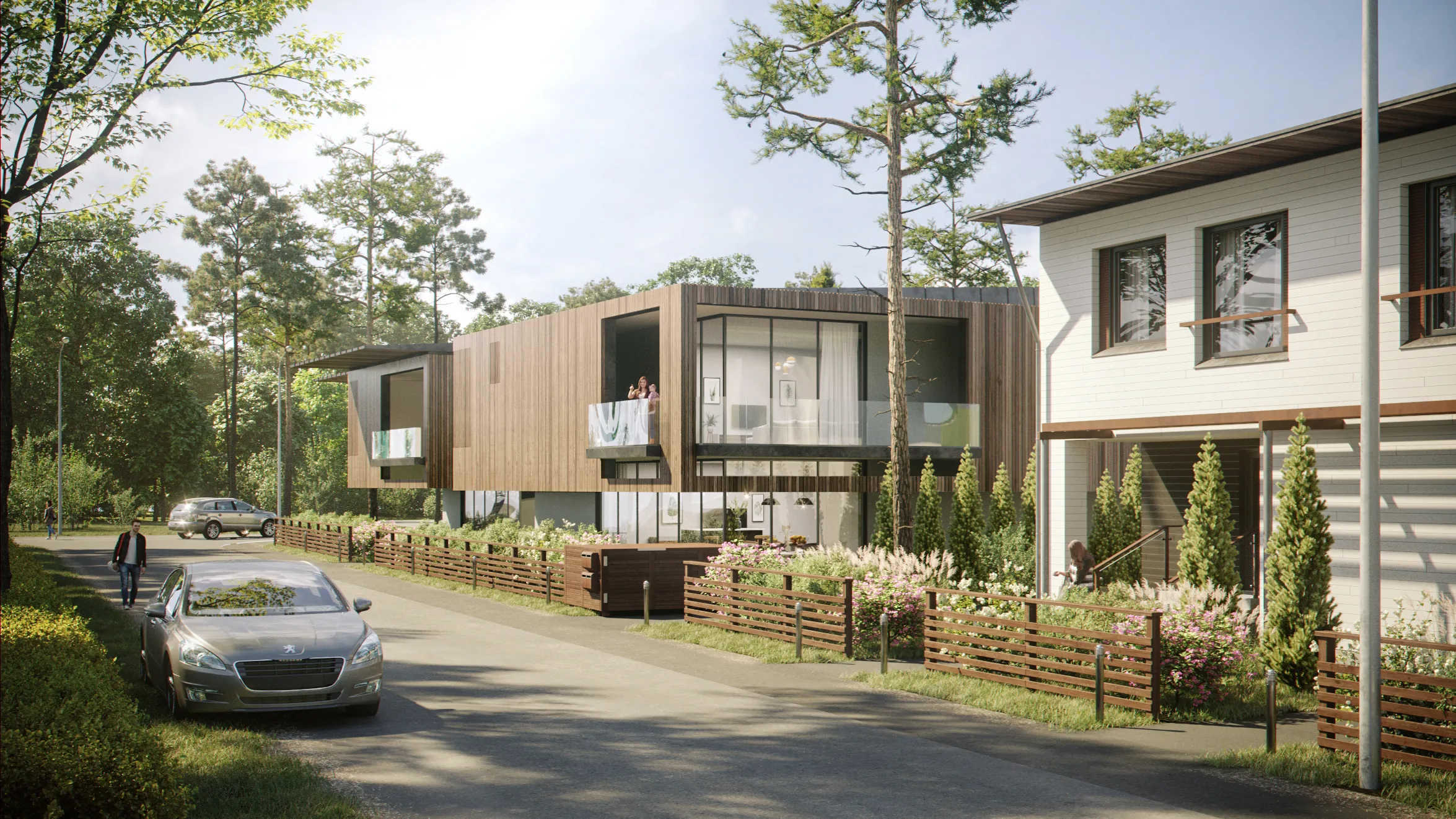
Para propiedades sobre plano y antes de la finalización no hay fotografía de partida, por lo que los interiores y exteriores se construyen a partir de los planos del promotor. Se introducen planos, secciones, alzados y el cronograma de acabados, y se obtiene un conjunto de anuncios que coincide con lo que realmente se entregará.
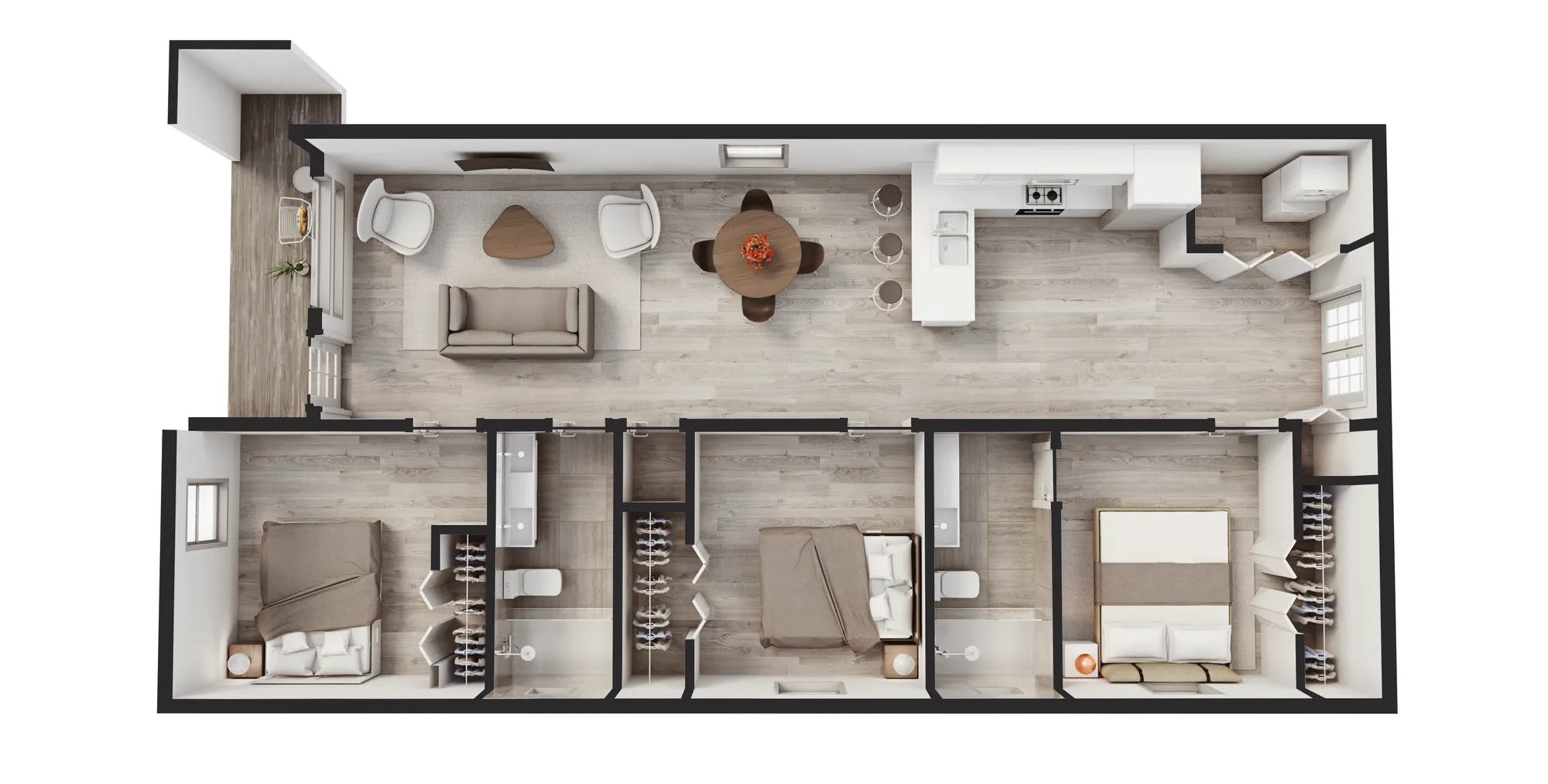
Los planos de planta 3D permiten que un comprador entienda la distribución en dos segundos en lugar de descifrar un dibujo técnico, y un tour 360 permite que un comprador remoto o extranjero recorra la unidad antes de reservar un vuelo. Ambos se generan a partir del mismo modelo que las imágenes estáticas, por lo que la segunda salida cuesta mucho menos que la primera.
Cuatro elementos que terminan en un anuncio
La mayoría de las instrucciones utilizan dos o tres de estos elementos para la misma propiedad, y se cotizan juntos en lugar de uno a la vez.
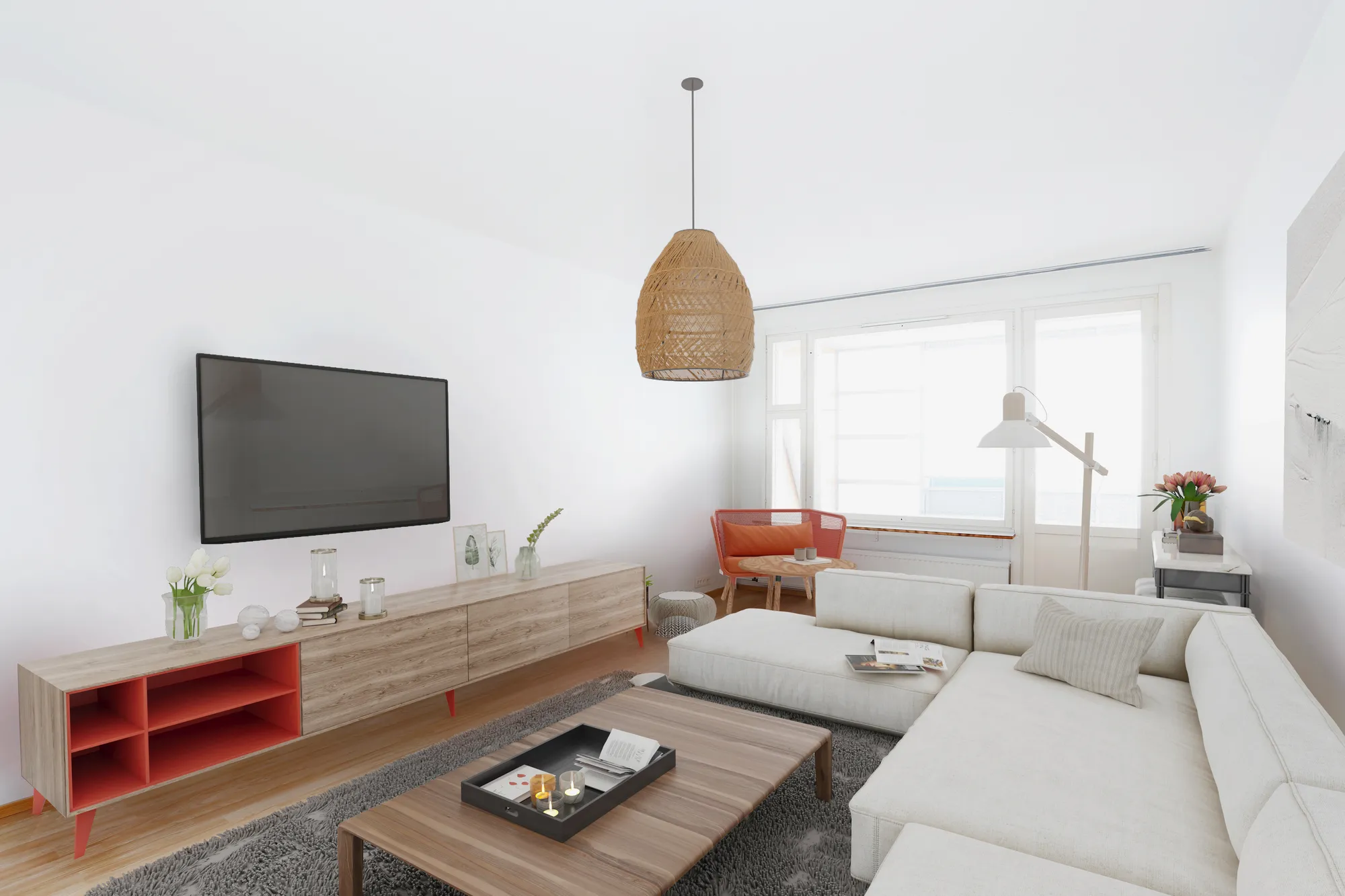
Conjuntos de habitaciones escenificadas
Su fotografía, amueblada. Salón, cocina, dormitorios y terraza, con un esquema elegido para el comprador al que se dirige, en lugar de un aspecto de exposición que no encaja con nadie.

Imágenes post-reforma
La reforma renderizada sobre el edificio existente. Mismas paredes, mismas aberturas de ventanas, misma altura de techo, de modo que la cifra que un comprador calcula es una a la que le puede exigir que se atenga.
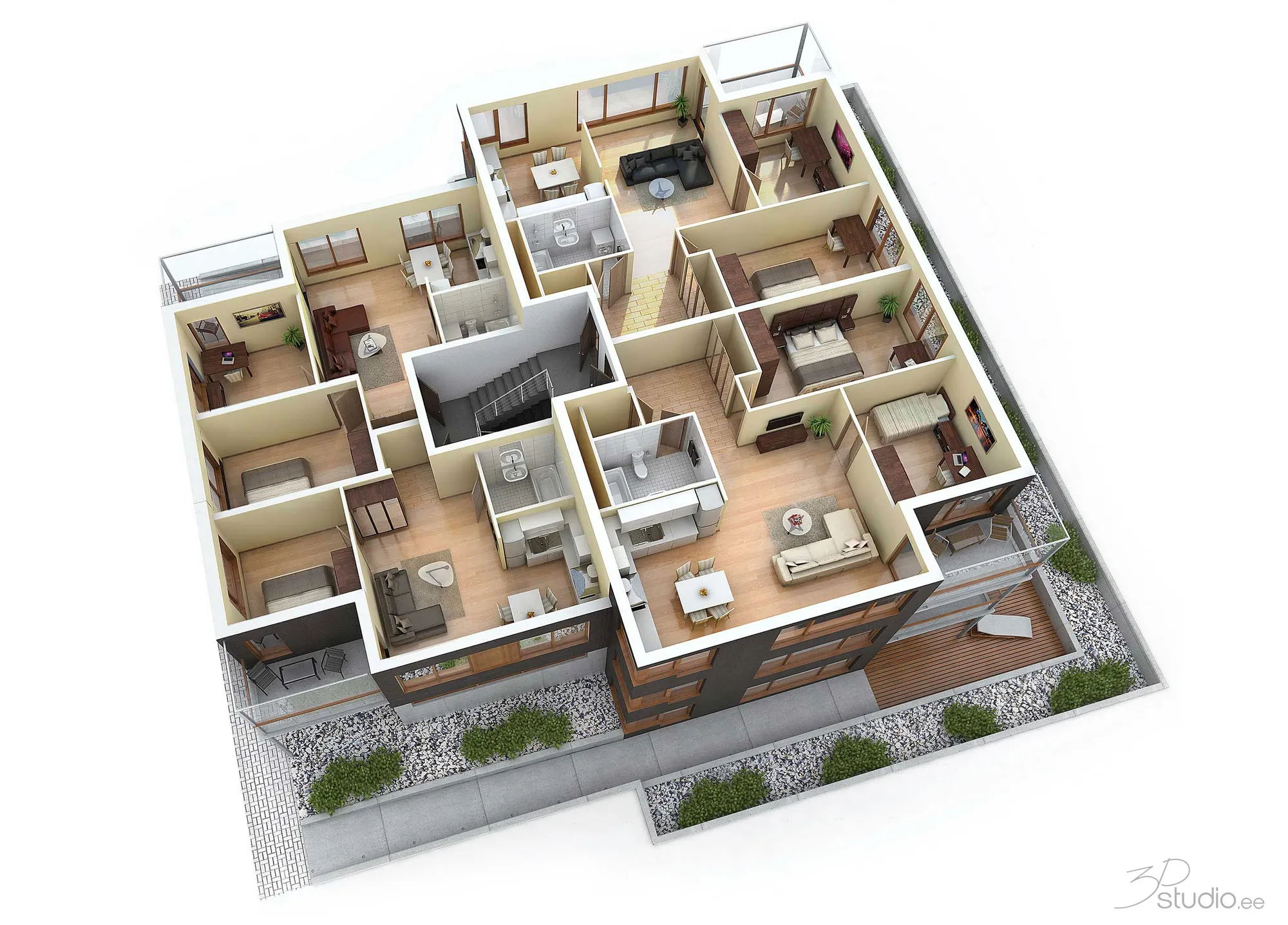
Planos de planta 3D
En color, amueblado y dibujado a las dimensiones reales, incluyendo el corte tipo casa de muñecas. Un comprador entiende el flujo del piso de un vistazo en lugar de contar puertas en un plano en blanco y negro.
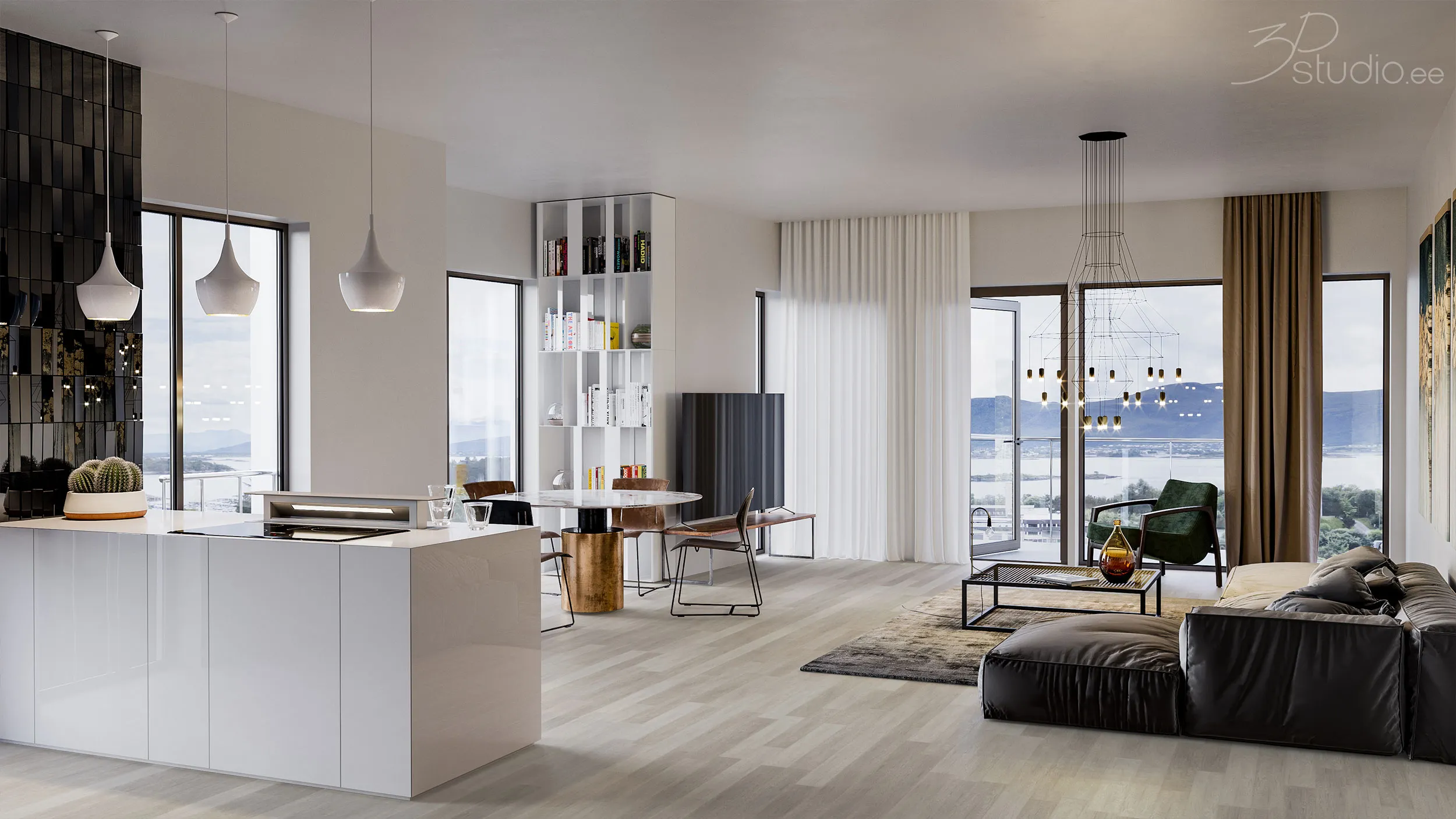
Interiores y exteriores sobre plano
Construido a partir de los planos del promotor para una propiedad que aún es un solar. El conjunto que debe impulsar un lanzamiento hasta que se abra el piso piloto.
Tres llamadas que hace una agencia antes de que un anuncio se active
Archivos reales de instrucciones reales, no una biblioteca de stock.
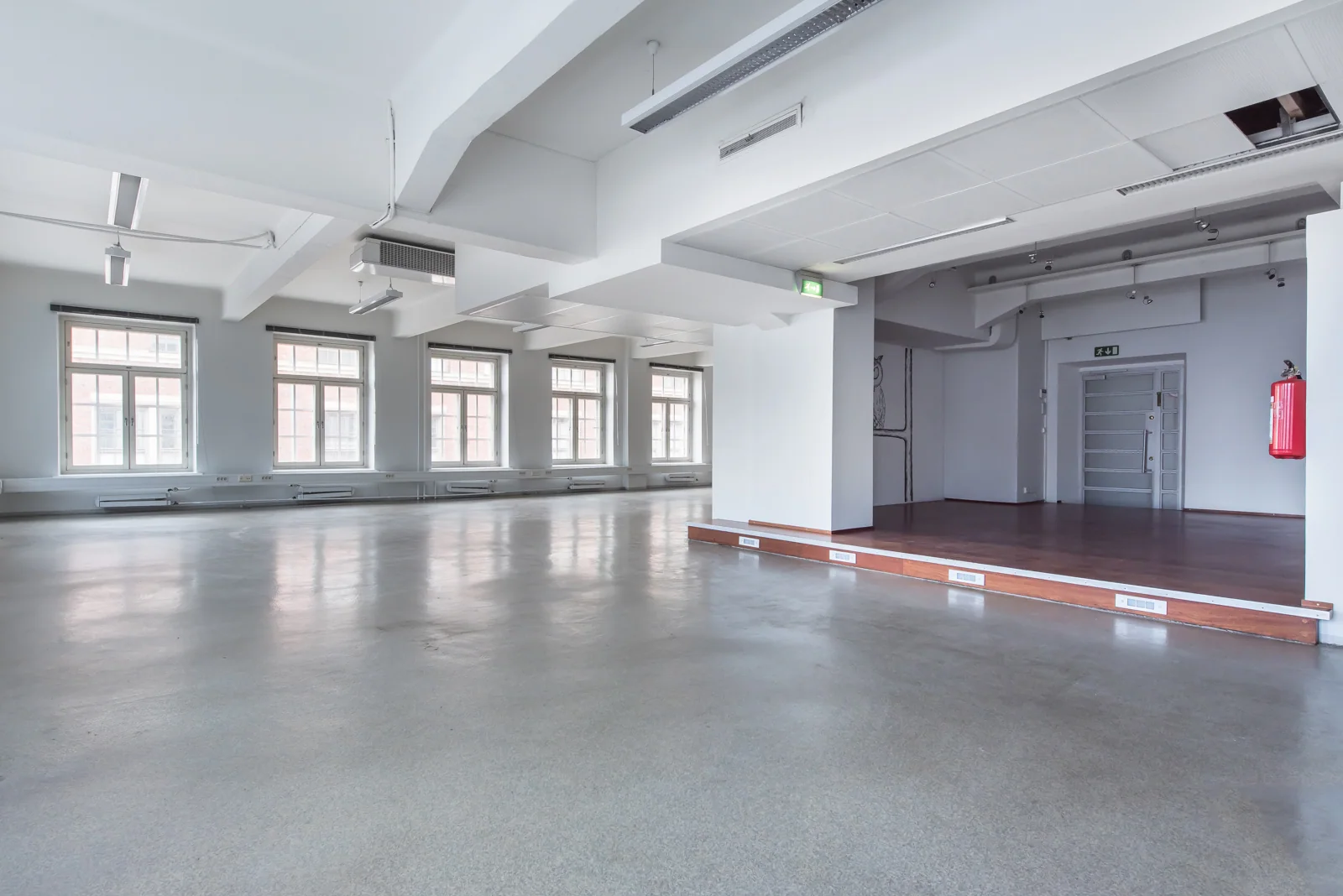
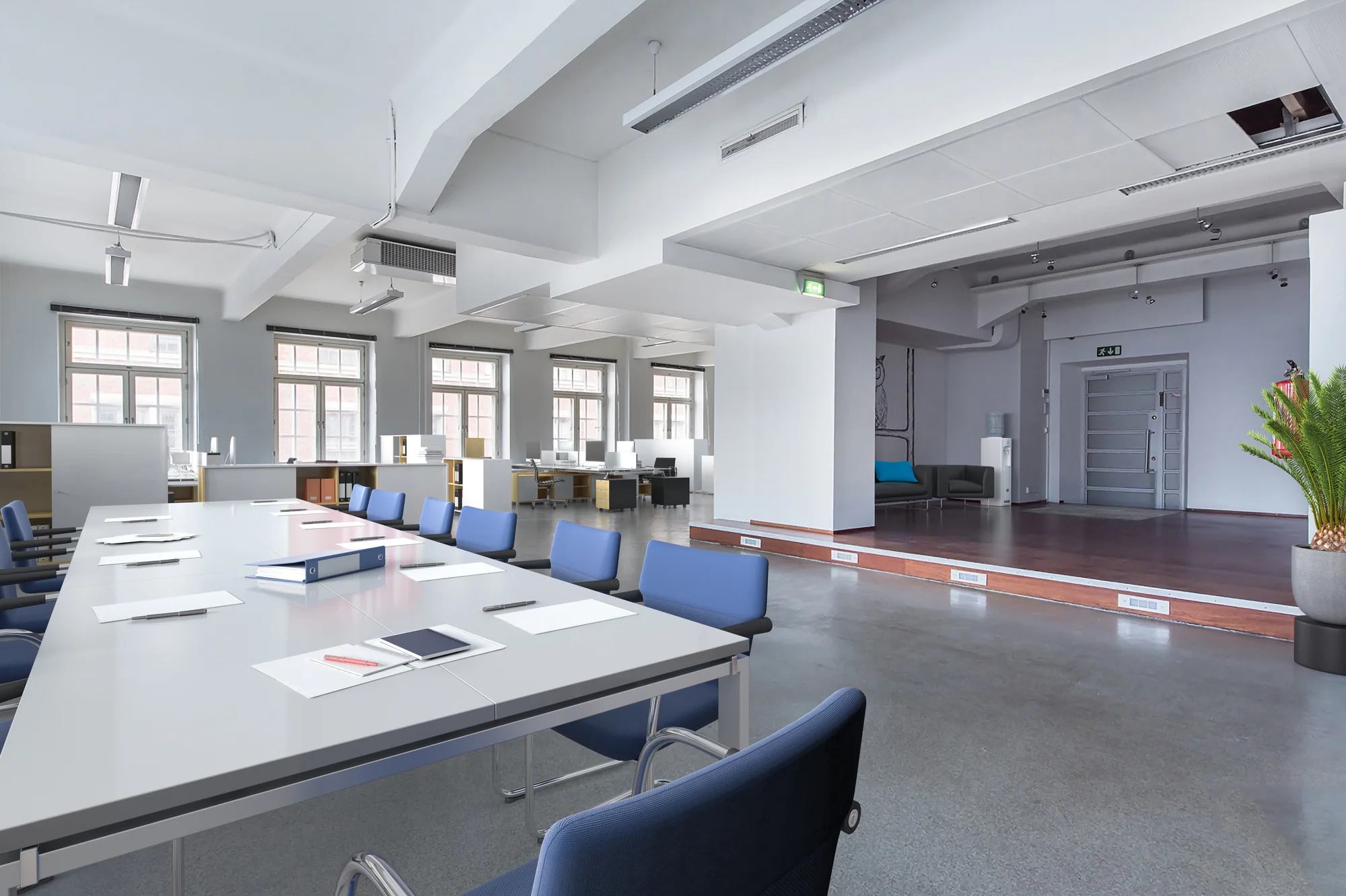 AntesDespués
Una habitación ocupada o desordenada, primero despejada
Fotos personales, pertenencias de un inquilino y cajas sueltas se retiran antes de que se instale el mobiliario, como un paso definido en lugar de un retoque silencioso.
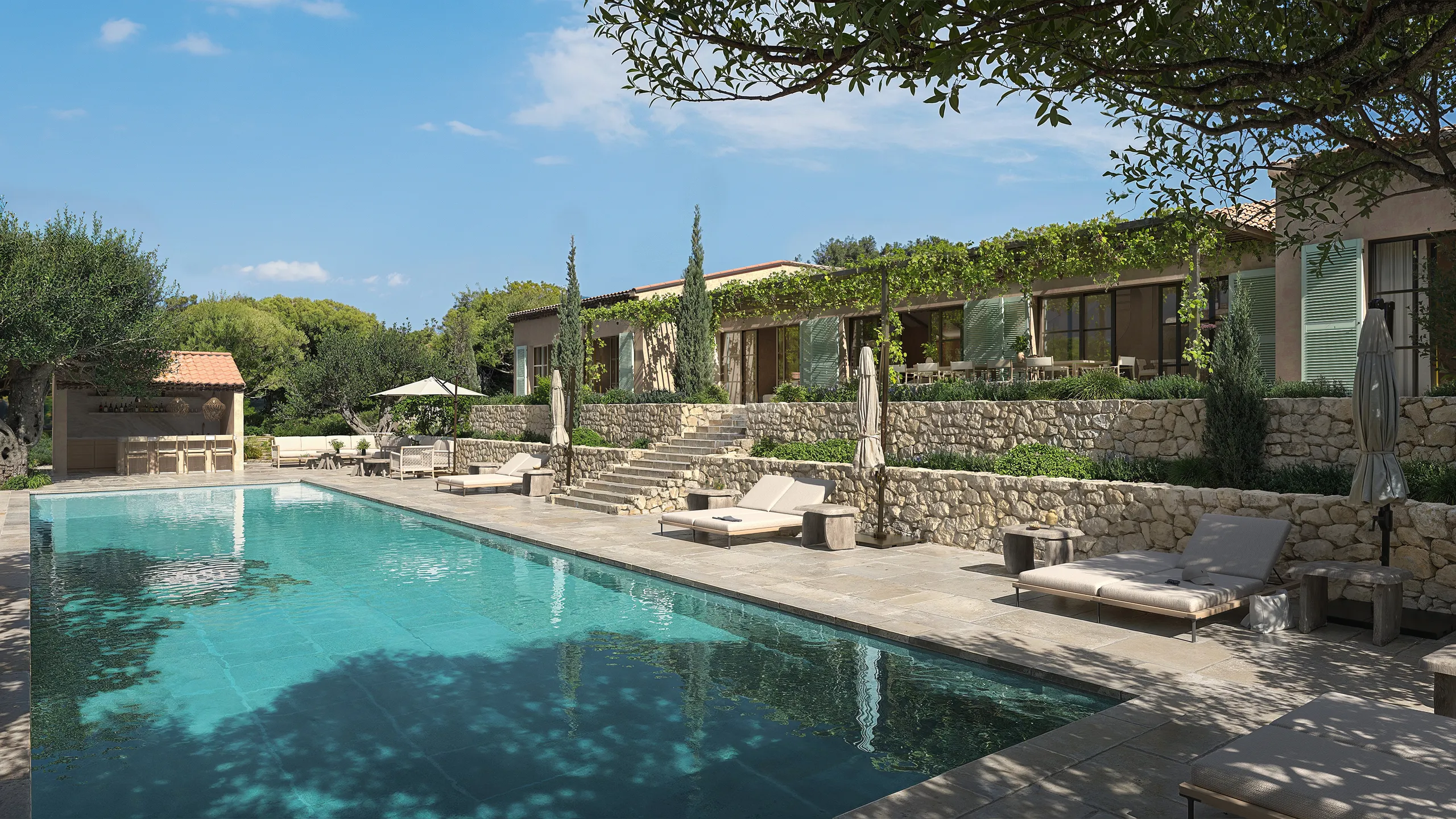
Una única unidad de alto valor para un comprador extranjero
Ya sea que se denomine agencia inmobiliaria o agente inmobiliario, un comprador extranjero nunca visita la propiedad antes de la oferta. El mismo conjunto se convierte en la galería del portal, el folleto y el cartel en el escaparate.
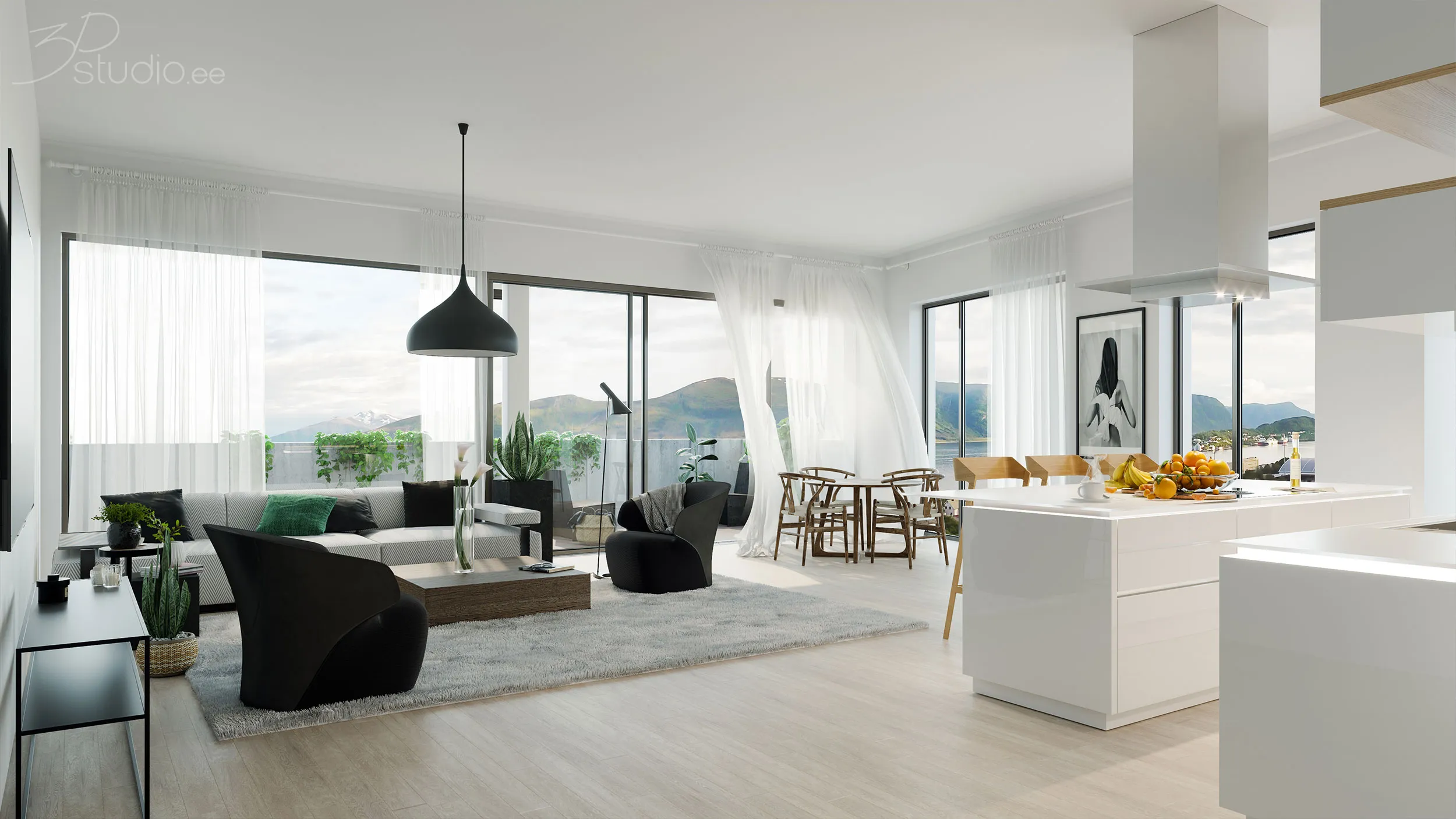
Una reforma mostrada terminada, para la tasación hipotecaria
Un prestamista quiere ver en qué se convierte el piso, no solo lo que es hoy. Dado que las posiciones de las paredes y las aberturas de las ventanas nunca cambian, esta visualización de renovación ofrece a un tasador algo concreto para valorar.
Un socio de estudio, no una granja de renders
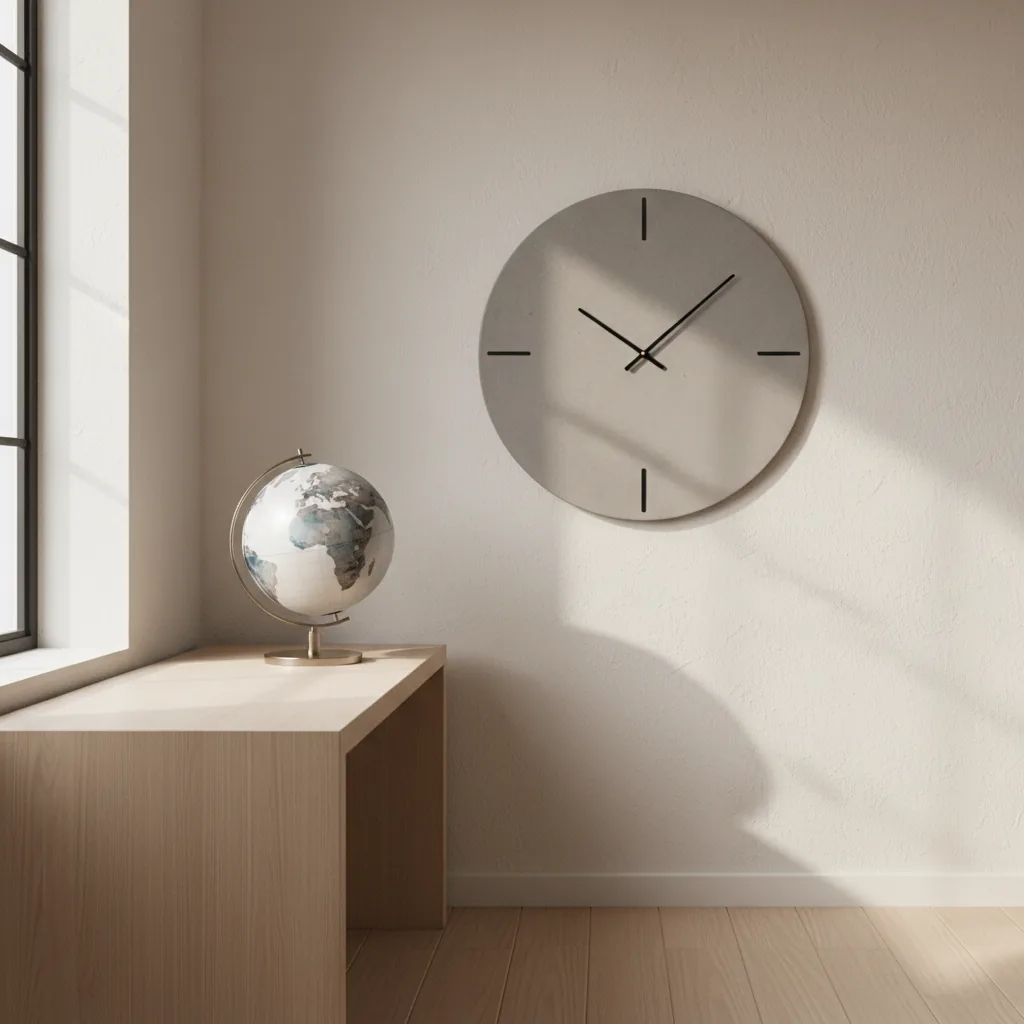
Entrega europea, zonas horarias viables
Un estudio estonio trabajando desde 2013 en los países nórdicos, los países bálticos, Europa, el Reino Unido, Estados Unidos, Canadá y Australia. Comentarios por la tarde, un marco revisado por la mañana.

Confidencialidad como estándar
Los esquemas no aprobados, las participaciones en concursos y los lanzamientos no anunciados son comercialmente sensibles. Trabajamos bajo NDA sin que se nos pida y nunca publicamos un proyecto sin permiso.

Usted informa al artista, no a una cola
Sin capa de gestor de cuentas. Envíe los archivos, obtenga un número real, hable con la persona que construye la escena. Menos traspasos es la razón por la que la primera vista previa se acerca más al resultado correcto.
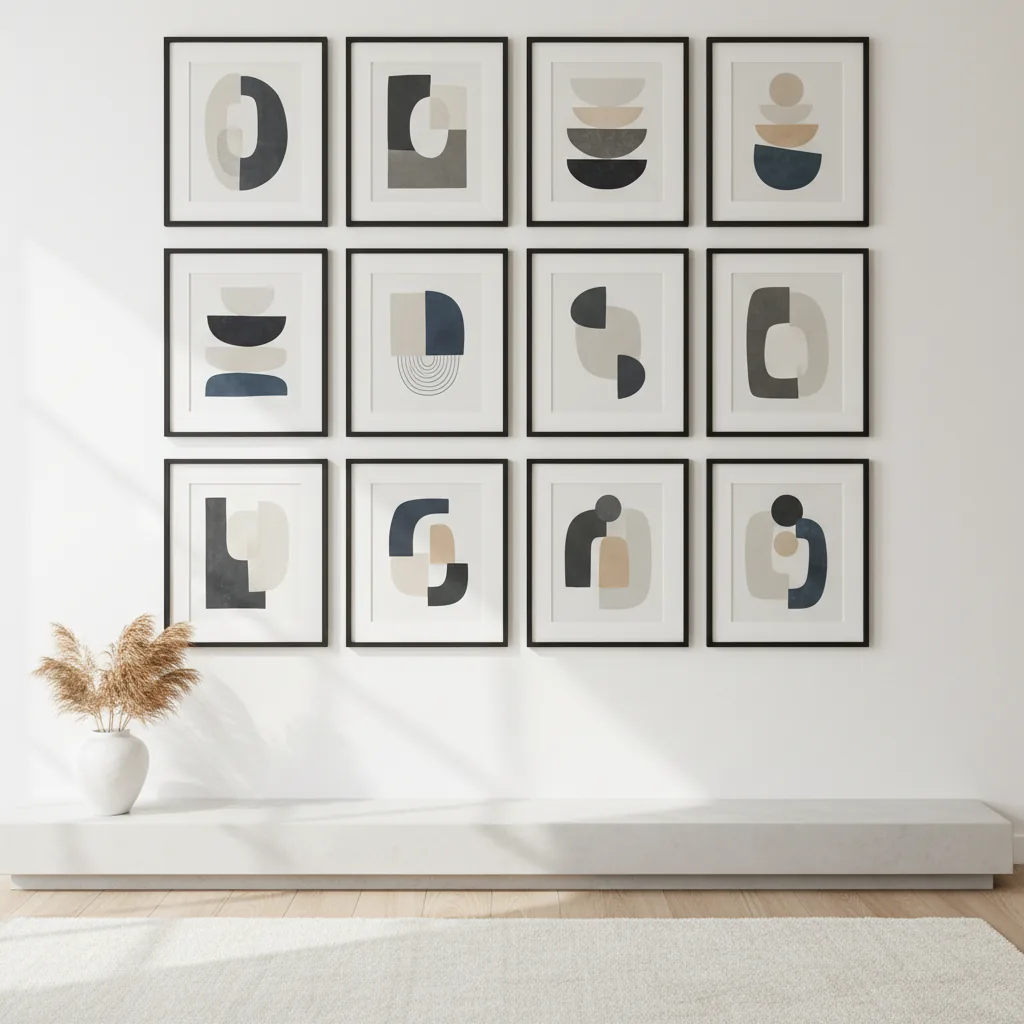
Un lenguaje visual coherente
A lo largo de un conjunto, o a través de años de trabajo repetido, la luz, los materiales y la disciplina de la cámara se mantienen. Diez freelancers no pueden hacer eso, y es visible en la página cuatro de un folleto.
Tres decisiones antes de enviar el primer archivo
Una bandeja de entrada, un precio, antes del almuerzo
Sin llamadas ni agenda de fotógrafos con los que lidiar. Envíe lo que tenga y el precio y la fecha fijos se le comunicarán en menos de 30 minutos, ya sea para una habitación o el lanzamiento de un bloque completo.
La escena sigue siendo suya después de que se complete la venta
Nada que almacenar, asegurar o recuperar, a diferencia de una furgoneta de muebles alquilados. La misma escena digital funciona de nuevo para el siguiente piso del edificio, o para el mismo que se vuelva a listar la próxima temporada.
El perfil del comprador decide el mobiliario, no nosotros
Un esquema para familias y otro para jóvenes profesionales provienen del mismo encargo, con precio y entrega conjunta, por lo que la elección sigue siendo del agente en lugar de un estilo que nosotros hayamos elegido para usted.
Cuatro etapas, independientemente de lo que encargara
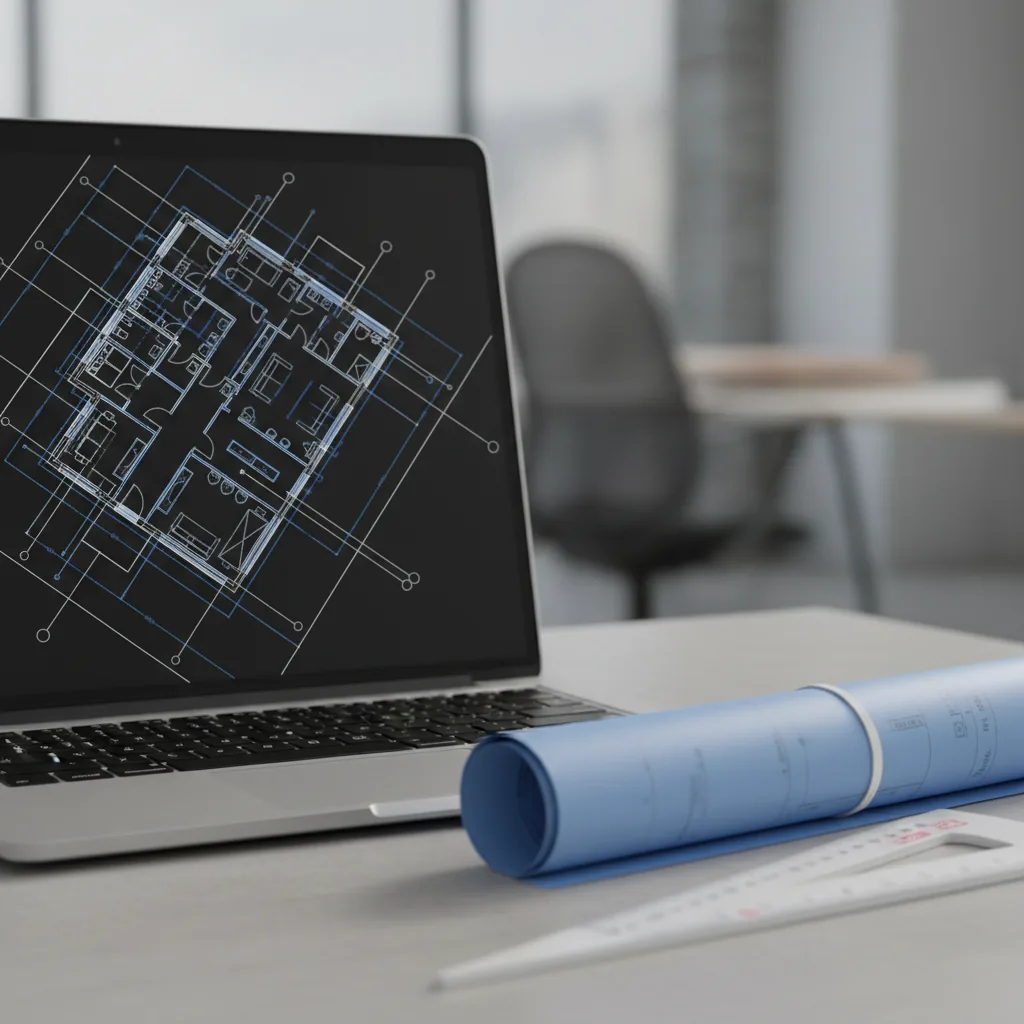
Información inicial
Briefing y presupuesto fijo
Suba archivos CAD, PDF, Revit o SketchUp, o una foto de un boceto. Preparamos el briefing a partir de sus archivos, por lo que no hay cuestionario. Obtendrá un precio de proyecto fijo y una fecha de entrega en 30 minutos.
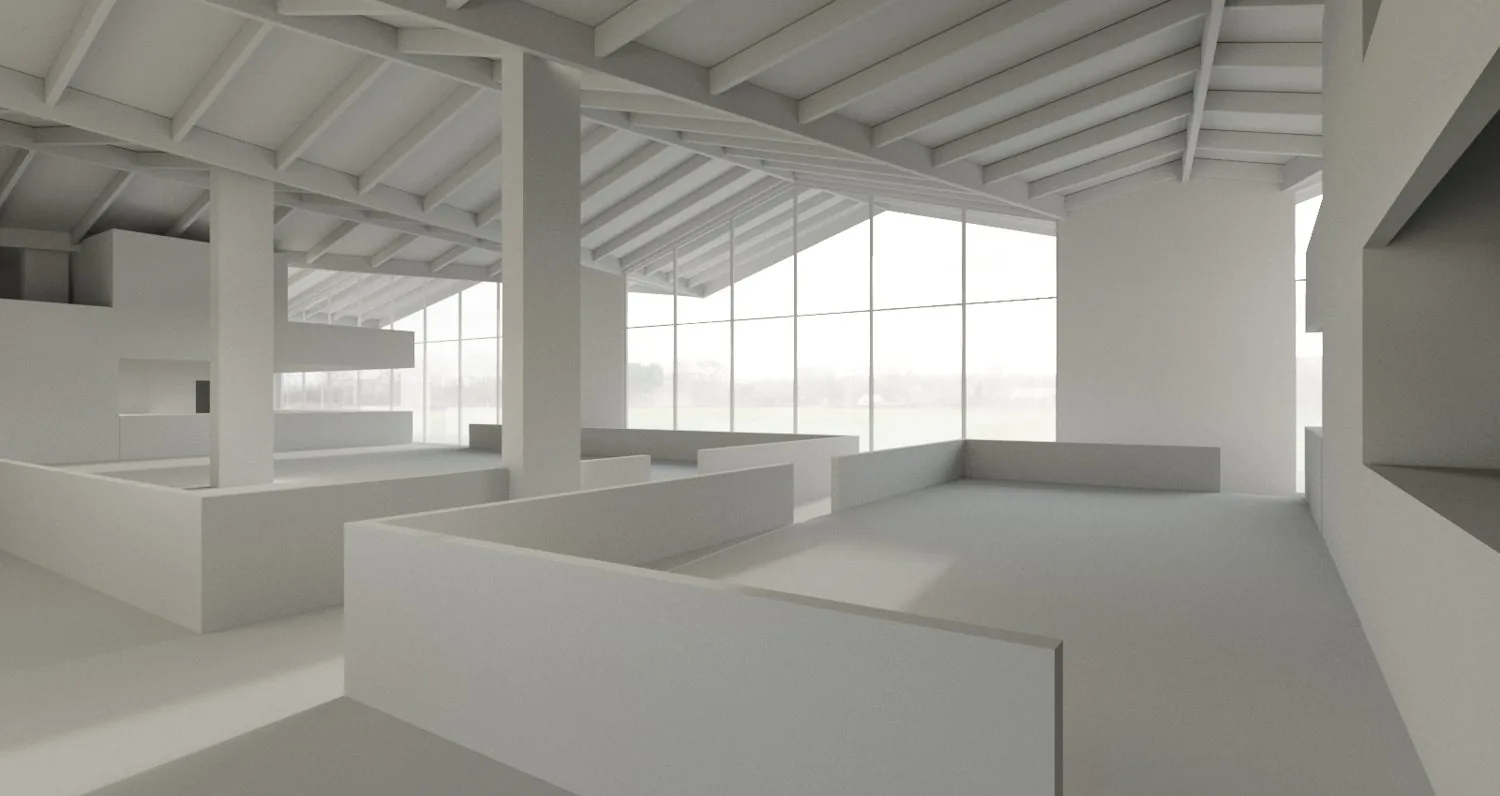
Días 1-3
Modelo de arcilla
Construimos el modelo 3D sin materiales y colocamos la cámara. El punto de vista, la lente, la altura y la hora del día se acuerdan en este modelo gris, cuando los cambios son rápidos y económicos.
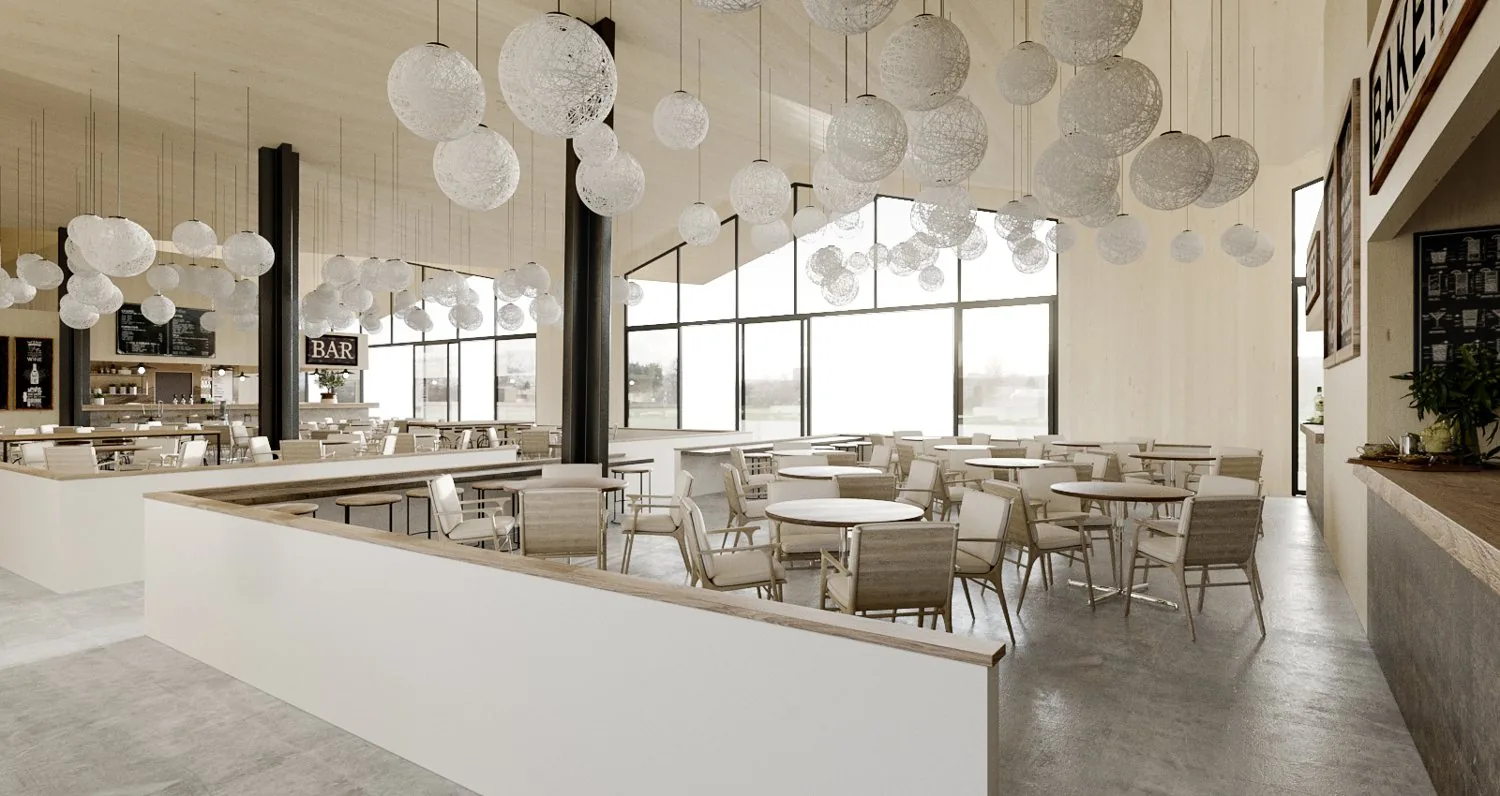
Semana 1
Render de previsualización
La misma vista con materiales, iluminación y entorno añadidos. Lo ve a tiempo, mientras que la luz y los acabados aún se pueden cambiar fácilmente. Se incluyen 2 rondas de revisión y seguimos refinando hasta su aprobación.
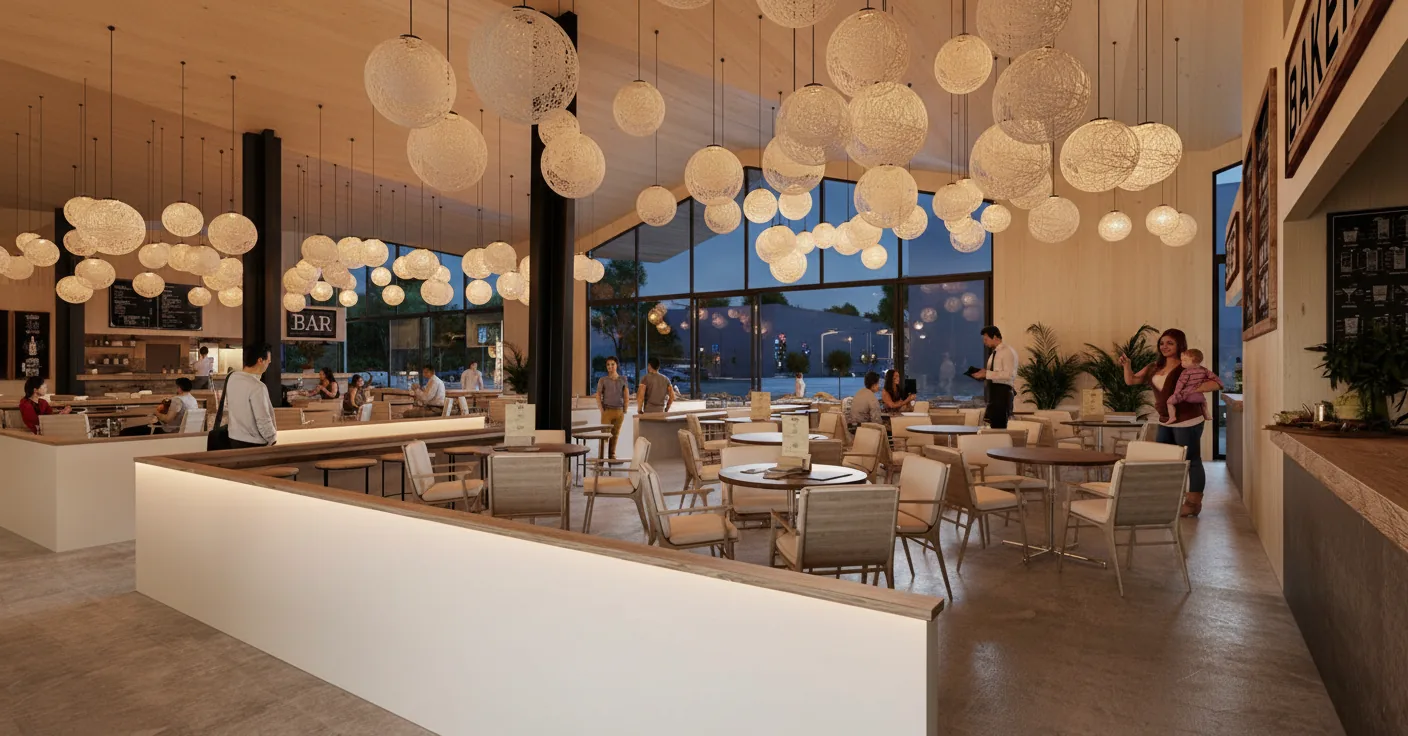
Entrega
Render final
La imagen aprobada, totalmente terminada y entregada en 4K, con tamaños mayores para impresión bajo petición y derechos de uso completos. Cada vista adicional en el conjunto utiliza la escena ya construida, por lo que cada imagen extra cuesta mucho menos que la primera.
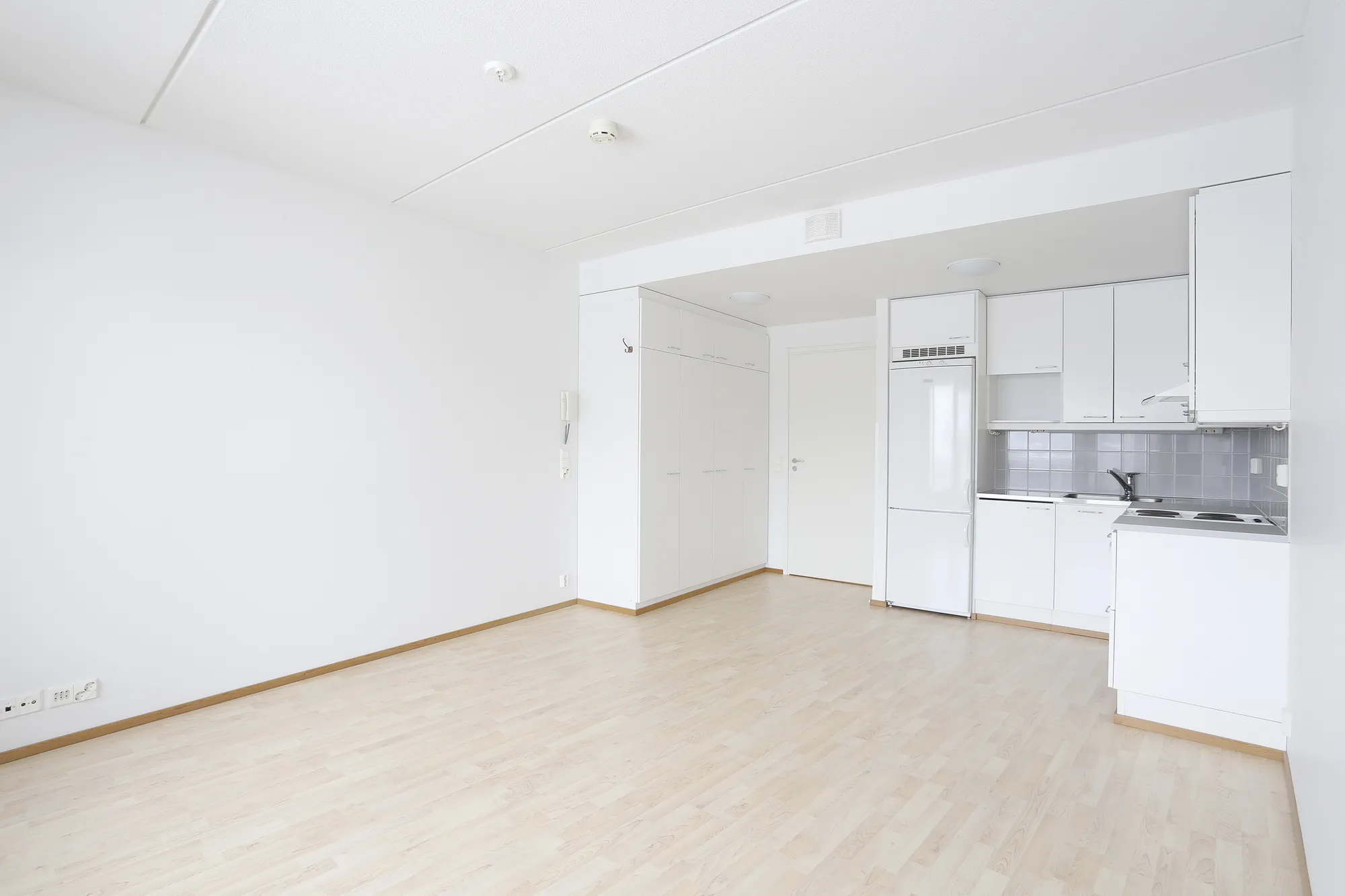
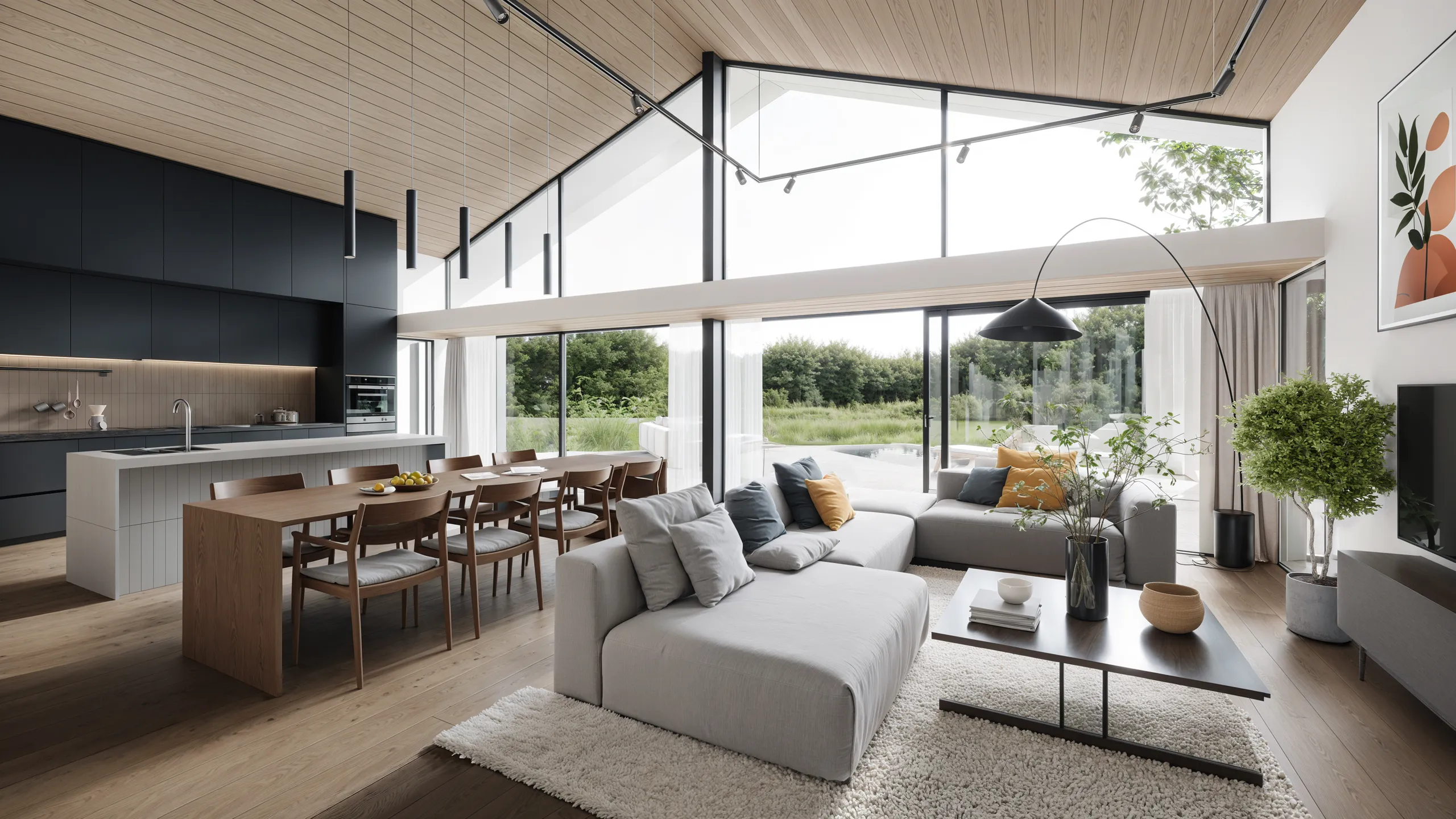
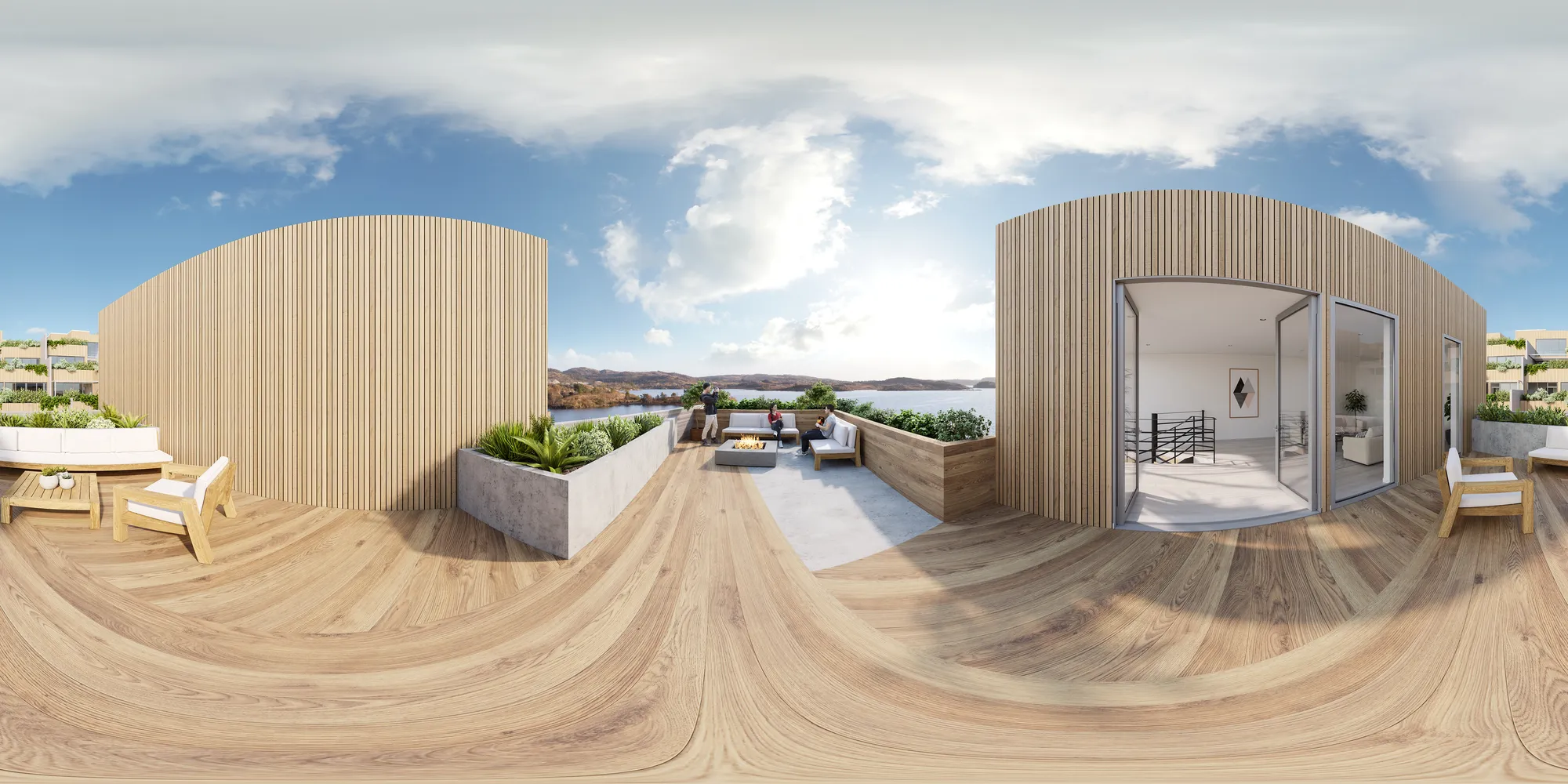
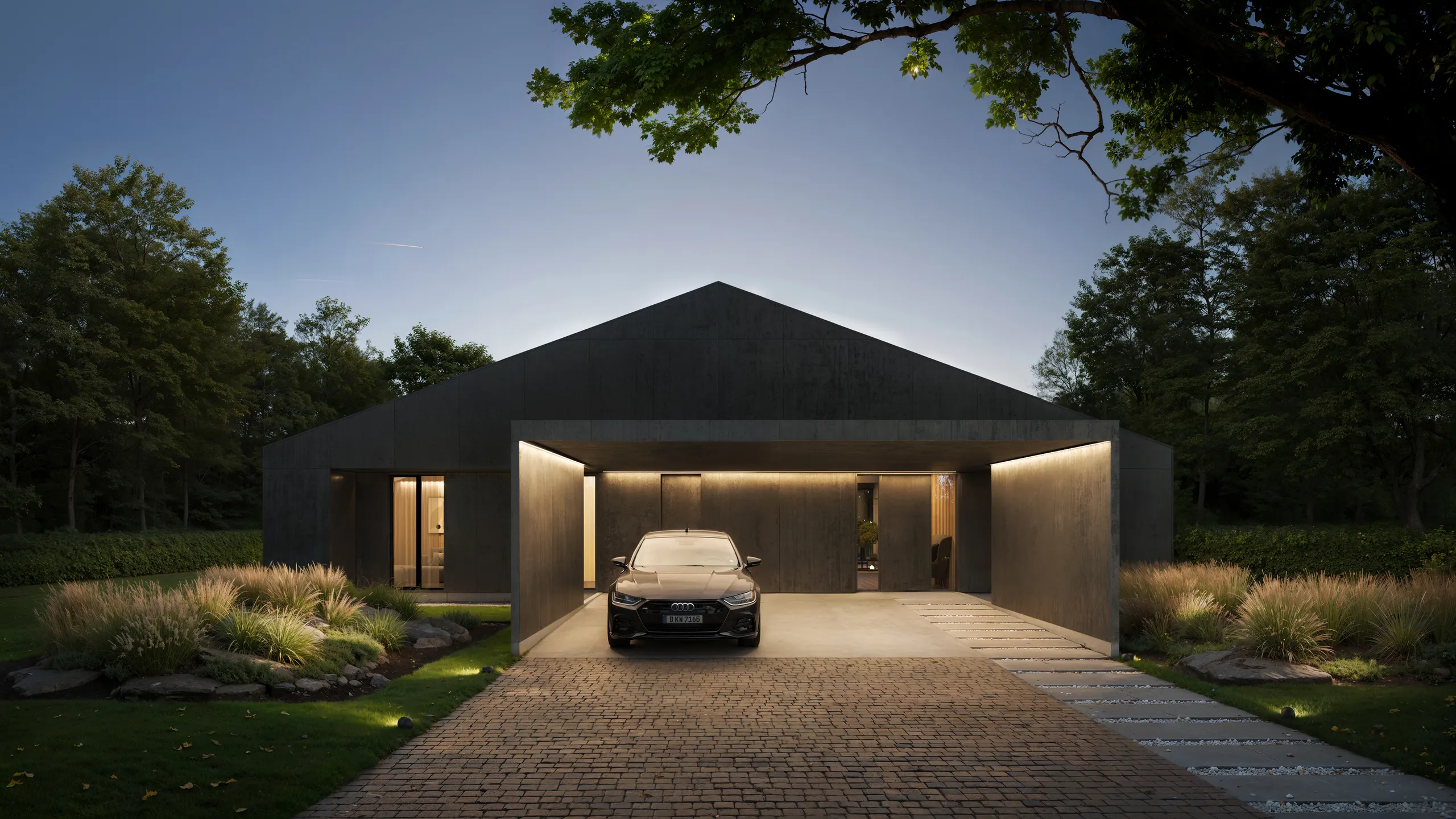
Renderizado 3D para agencias inmobiliarias, desde habitaciones vacías hasta unidades no construidas
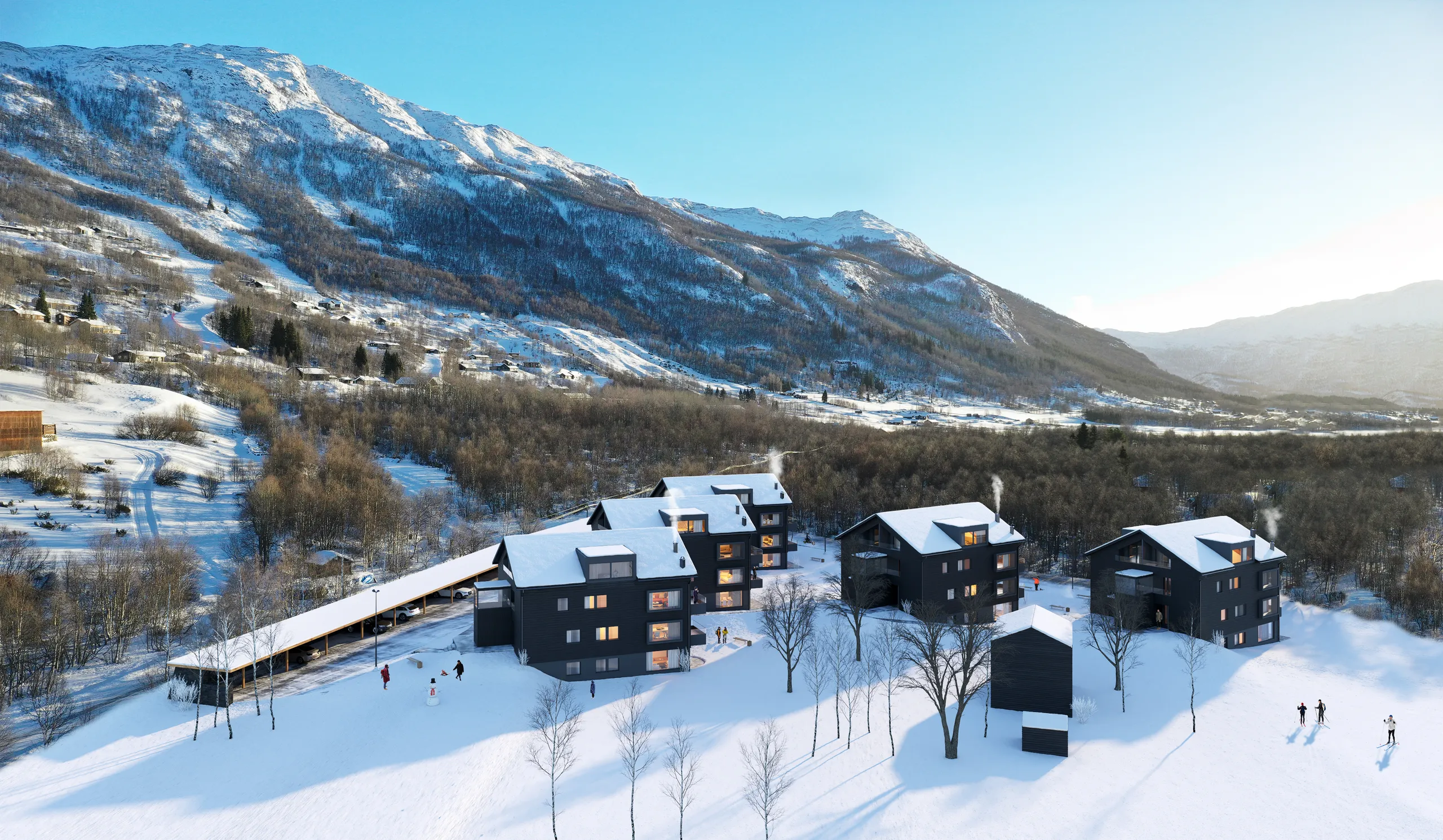
Trabajo para agencias y promotores de los países nórdicos y bálticos. Algunos de estos fotogramas empezaron como una fotografía y otros como un dibujo, y en un portal se muestran uno al lado del otro.


Qué influye en un presupuesto de imágenes de un anuncio
El precio es por propiedad, no por imagen. Esto es lo que cambia el número.
-
Cuántas habitaciones tiene la propiedad
La primera habitación soporta la construcción de la escena. Cada habitación extra en la misma sesión cuesta considerablemente menos que la primera.
-
Cuántos esquemas de comprador desea
Un esquema para familias y otro para jóvenes profesionales de la misma sesión cuestan menos juntos que dos trabajos separados.
-
Qué tan completos son los planos, para proyectos sobre plano
Planos, secciones, alzados y un cronograma de acabados se incorporan directamente al modelo detrás de los renders de su anuncio de proyectos sobre plano. Un plano por sí solo implica preguntas antes de empezar.
Guía gratuita
La guía de imágenes de anuncios para agentes inmobiliarios
Qué influye en el presupuesto y qué enviar para obtenerlo rápidamente.
- Qué influye en el alza o baja de un presupuesto de escenificación virtual o de proyecto sobre plano
- Los archivos exactos a enviar para un precio el mismo día
- Cómo perfilar al comprador para que el primer diseño acierte
- Sin llamada de ventas, un precio fijo de vuelta en 30 minutos
Abre el formulario de carga. Envíe lo que tenga; sin llamada de ventas.
Cómo nos integramos en su flujo de trabajo
La mayoría de las agencias envían un conjunto de fotos de móvil y un PDF del plano y nada más. Eso es suficiente para empezar y para obtener un precio.
Lo que aceptamos
FotografíasLa sesión de fotos del anuncio tal como está: JPEG o RAW, teléfono o cámara. Que esté nivelado y bien iluminado ayuda, pero no es un requisito
Un plano de plantaUn PDF, un escaneo, el plano de la propia agencia o un archivo CAD. Lo que el vendedor o el promotor haya entregado
El perfil del compradorA quién se vende la propiedad. Eso decide el mobiliario, no nuestro gusto
Planos, para proyectos sobre planoPlanos, secciones, alzados y el programa de acabados, además de las elecciones de materiales propias del promotor
Las fechasFecha de lanzamiento y en qué portal se publica, para que los recortes salgan bien la primera vez
Lo que usted recibe
Imágenes de escenificación virtualLas mismas habitaciones amuebladas, desde la misma posición de cámara, para que el antes y el después coincidan
Recortes listos para portalesResoluciones y relaciones de aspecto estándar para portales, más tamaños de impresión para un folleto o un cartel
Versiones de divulgaciónCuando un anuncio lo requiere, una copia subtitulada como una escenificación virtual o una impresión generada por ordenador
Derechos de uso completosPortales, folletos, carteles, redes sociales y prensa. Sin tarifa por uso y sin licencia separada para comprar más tarde
La escenaSe conservan, para que una nueva puesta en escena para un nuevo perfil de comprador o un relanzamiento la próxima temporada sea un trabajo pequeño en lugar de uno nuevo
Lo que un encargo de agencia suele requerir

Escenificación virtual
Amueblar una fotografía vacía, residencial o comercial. El oficio en sí mismo.
Escenificación virtual
Planos de planta 3D
Planos coloreados y amueblados y cortes tipo casa de muñecas para portales y folletos.
Planos de planta 3D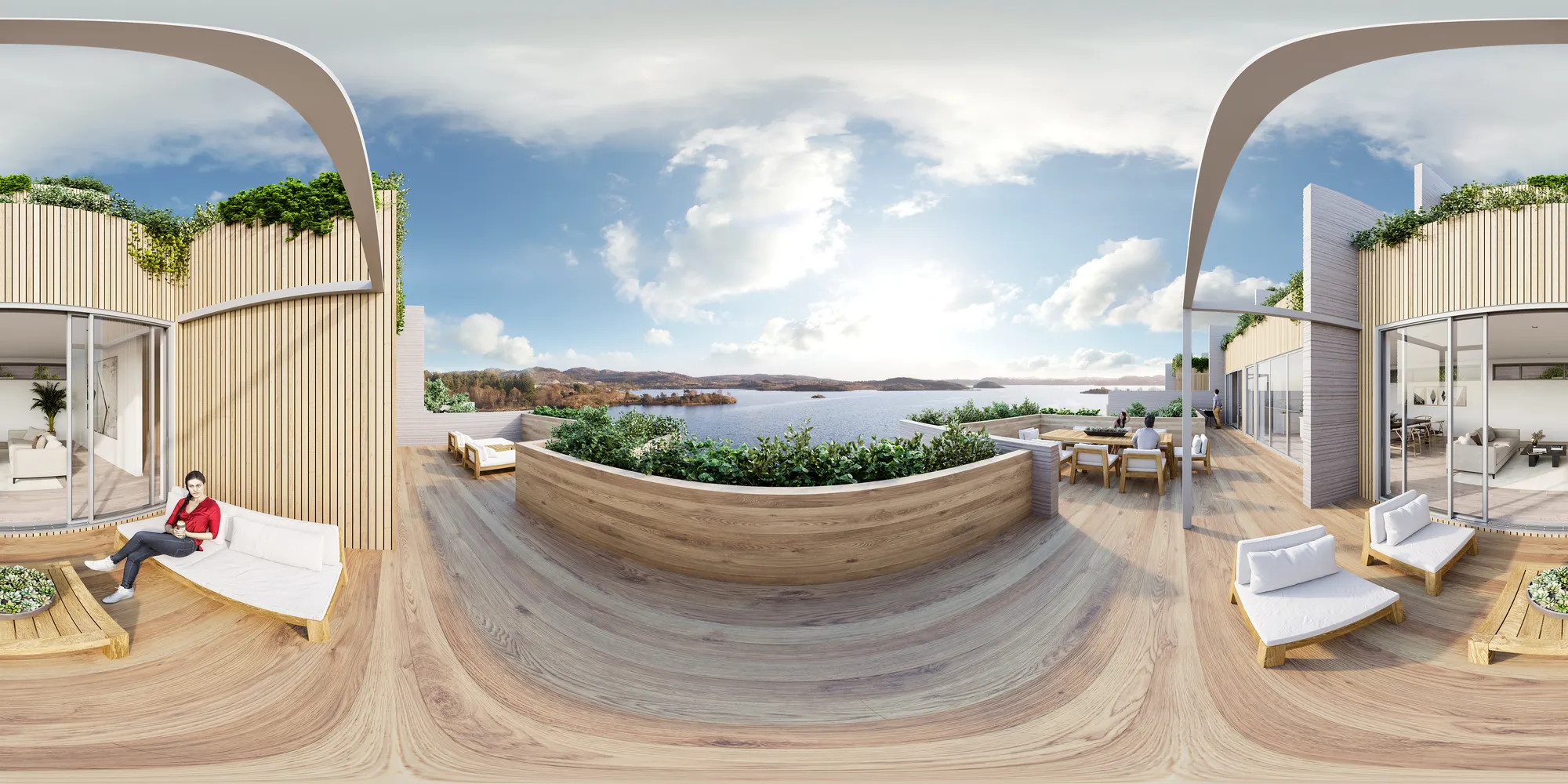
Tours virtuales 360
Un panorama transitable de una unidad vacía o aún no construida, para un comprador remoto.
Tours virtuales 360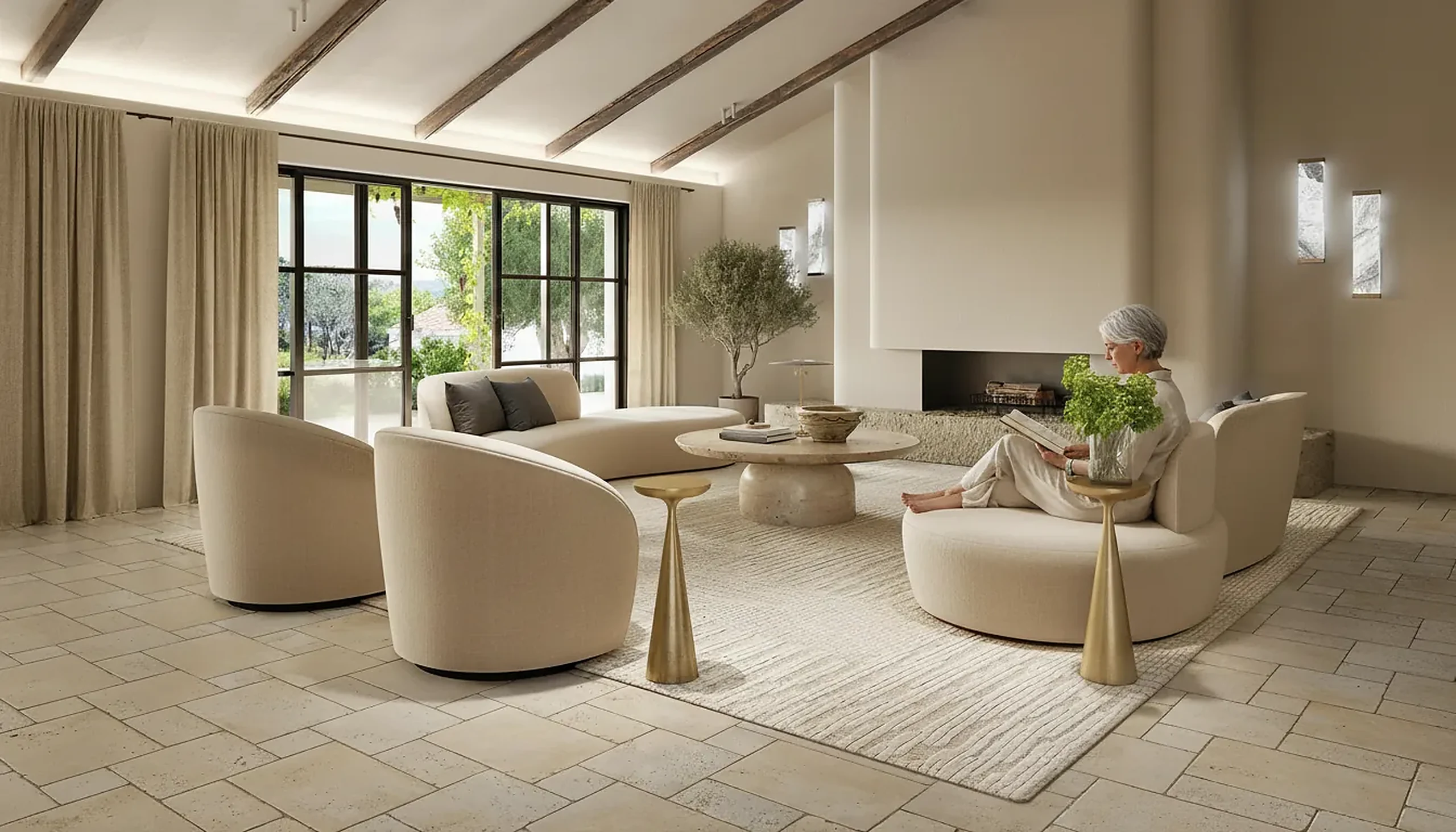
Renderizado interior
Escenas de habitaciones fotorrealistas creadas a partir de planos, cuando aún no hay nada que fotografiar.
Renderizado interiorPreguntas frecuentes de agencias inmobiliarias
Las preguntas que más nos hacen antes de que empiece un proyecto. ¿Aún no está seguro? Envíe los planos y le diremos qué haríamos con ellos.
Consúltenos directamente¿Qué es la escenificación virtual?
Muebles, alfombras, obras de arte e iluminación añadidos a una fotografía de una habitación real para que el espacio se perciba como un hogar en lugar de una estructura vacía. La cámara no se mueve, las paredes y ventanas no se alteran, y el mobiliario se escala a las dimensiones reales de la habitación. Es la forma más económica de lograr que una propiedad vacía se fotografíe bien.
¿Mueve las paredes o amplía la habitación?
No. Enderezar una pared, estirar la lente o eliminar un radiador mejora la imagen y empeora la visualización, y la visualización es de donde proviene la oferta. Lo único que eliminamos es algo temporal y poco representativo, un cubo de constructor o una pila de correo, y le informamos cuando lo hemos hecho.
¿Se puede escenificar la misma propiedad más de una vez?
Sí, y es la razón principal para escenificar digitalmente en lugar de físicamente. Una vez que la escena existe, un segundo esquema dirigido a un perfil de comprador diferente es un trabajo menor. Las agencias suelen ejecutar un esquema familiar y un esquema para jóvenes profesionales en el mismo piso y conservan el que genere más llamadas.
¿Gestionan la leyenda de divulgación?
Sí. Las normas de anuncios de Rightmove en el Reino Unido exigen una marca de agua de CGI en cualquier imagen que no sea una fotografía real, y la mayoría de las plataformas MLS de EE. UU. exigen que las palabras «escenificado virtualmente» figuren en las observaciones del anuncio. Ya sea que el texto proceda de la política del portal, de un código de conducta o de su propio equipo de cumplimiento, lo integramos en el propio archivo de imagen, para que se mantenga aunque se copie entre el portal y un folleto. Indíquenos el texto que utiliza su mercado y lo configuramos.
¿Qué tan rápido es?
Preparar una habitación fotografiada lleva días, no semanas. Un conjunto sobre plano, construido a partir de planos, lleva más tiempo, porque la unidad debe ser modelada antes de que pueda ser iluminada. Recibirá una fecha fija junto con el precio en un plazo de 30 minutos desde el envío de los archivos, y las agencias con un flujo constante de propiedades se adaptan a un plazo de entrega que pueden prometer a un vendedor.
¿Pueden preparar espacios comerciales?
Sí, y lo necesita más que el sector residencial. Una planta de oficina vacía se fotografía peor que un piso vacío, porque no hay nada en el encuadre que le dé escala. Las plantas diáfanas, las salas de reuniones y las zonas de descanso se escenifican con el mismo método: su fotografía, su posición de cámara, mobiliario a tamaño real.
¿Somos propietarios de las imágenes?
Sí, con plenos derechos sobre todo lo entregado. Portales, folletos, paneles, escaparates, redes sociales y prensa, sin coste por uso y sin necesidad de adquirir una licencia separada posteriormente. También conservamos la escena, para que una reconfiguración o un relanzamiento no comiencen desde cero.
¿Cómo se cotiza?
Por propiedad en lugar de por imagen, cotizado una única vez a partir de las fotografías o los planos. Las estancias adicionales en una propiedad que ya estamos desarrollando tienen un coste significativamente menor que la primera, ya que la escena se comparte, y un flujo constante de encargos se establece en una tarifa fija.
¿Puede usted trabajar en un proyecto en mi país?
Sí. Somos un estudio estonio y hemos entregado trabajos en 17 países desde 2013, en los países nórdicos, Europa, el Reino Unido, EE. UU., Canadá y Australia, todo ello mediante transferencia de archivos y videollamadas. Un anuncio es el mismo trabajo desde cualquier lugar: usted envía las fotografías o los planos, los formatos de portal y la redacción de divulgación que utiliza su mercado, y el conjunto final llega a su bandeja de entrada. Las zonas horarias solo deciden cuándo se realiza una llamada durante el día.
Envíe las fotos del anuncio, obtenga un precio fijo antes de reservar la visita
Agentes inmobiliarios: un precio por propiedad y una fecha de entrega en 30 minutos, a partir de las tomas que ya tenga o los planos del promotor.
Aceptamos un número limitado de proyectos cada mes.