Virtual Staging vs Traditional Staging: What to Use When
Virtual staging and traditional staging solve the same problem in different ways. This guide compares what each involves, what drives the cost, and when to pick one over the other.
In this article
- Traditional staging moves real furniture into a room; virtual staging edits the photograph instead.
- Cost depends on the number of rooms, how much clearing is needed and how many schemes you want, not a flat rate.
- Virtual staging suits vacant, off-plan and remote listings; physical staging suits homes with many in-person viewings.
- A virtually staged image is always labeled, and the walls and fixed features never change.
Traditional staging fills an empty property with real furniture so a buyer can picture living there. Virtual staging does the same job on the photograph instead: the room stays empty in real life, and furniture, rugs and light are added to the image afterward. Both answer the same problem, an empty room that photographs as a box, but they get there in different ways.
This guide compares virtual staging vs traditional staging in practical terms: what each one involves, what changes the cost, how fast each moves, and what a buyer actually sees at a viewing. If you already know you want photographs of empty rooms furnished digitally, our virtual staging service covers the practical side. The rest of this article is the reasoning behind choosing one method over the other, or using both on the same listing.
What virtual staging and traditional staging involve
Traditional staging is physical work inside the property. Furniture, rugs, art and accessories are hired from a staging company, delivered by van and arranged on site by a stylist. The pieces stay in the rooms for the listing period, so anyone who walks through the door sees the same sofa and dining table that appear in the photographs. When the property sells or the listing ends, the furniture is collected and returned.
- A stylist visits the property and plans the layout room by room
- Furniture and accessories are delivered, unpacked and arranged
- The rooms are photographed once everything is in place
- The furniture stays for the viewing period, then is collected and returned
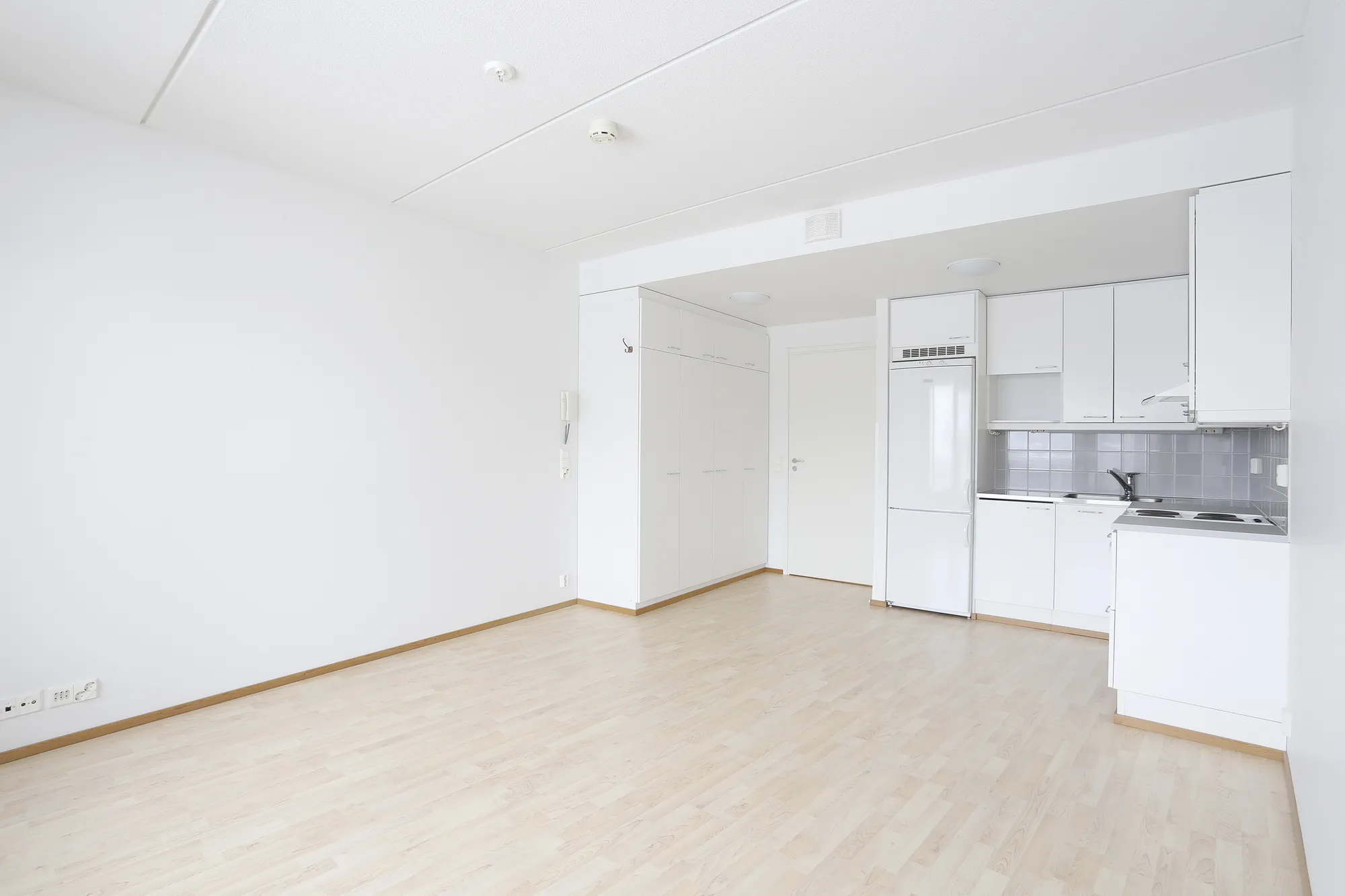
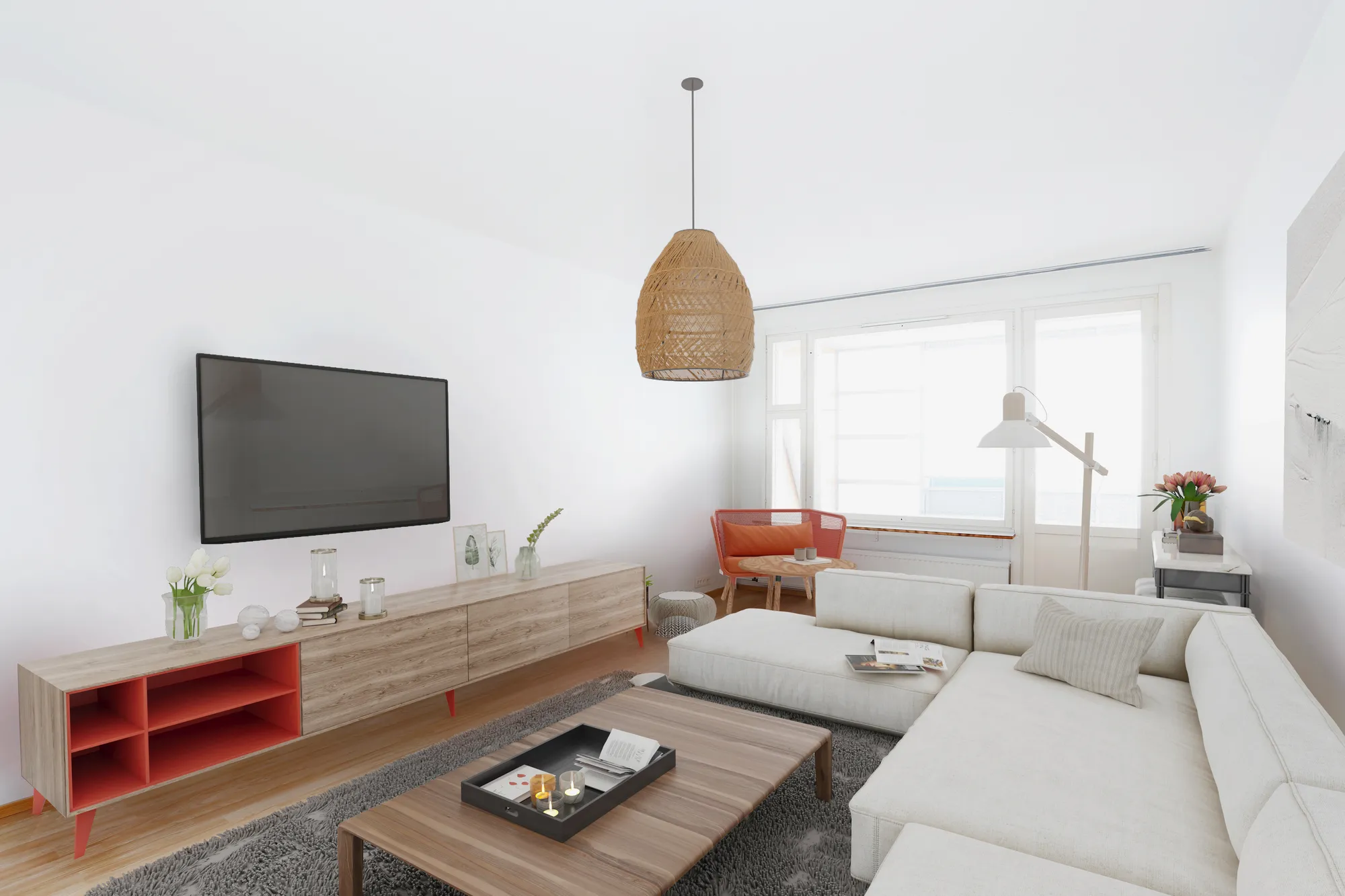
Virtual staging skips the van and the stylist visit. A photograph of the empty room is taken from a fixed position, sent to a studio or an app, and furniture is added to that image. Nothing physical enters the property, and the walls, windows and floor in the picture are exactly what the camera saw.
- The empty room is photographed from a position that shows the floor and both walls
- The photograph is sent to a studio, with a floor plan if one exists
- Furniture, rugs, art and light are added to that image, matched to the room’s real size
- The finished image comes back, still showing the same walls, windows and floor
What drives the cost of each
Neither method is priced with a single published number, because both depend on the property. Traditional staging usually costs more, because it involves renting furniture for a period of time, paying for delivery and collection, and paying a stylist for the visit. A larger home or a longer listing period needs more furniture for longer, which is the main reason a big house costs more to stage physically than a one-bedroom flat.
Virtual staging is priced per project rather than per image, as one fixed figure agreed before the work starts. What moves that figure: how many rooms need furnishing, how much has to be cleared out of the photograph first (a tenant’s belongings or a builder’s leftovers count as their own step), whether a floor plan is available to check furniture against real dimensions, and how many portal and print crops are needed. A second furnishing scheme for a room already staged is a smaller job than the first one, because the room does not have to be planned from scratch again. You can read more about how a fixed quote is worked out on our pricing page.
Tip: send every room you might want staged in one batch, with a floor plan if you have one. The quote then covers the whole set at once.
Speed and flexibility
Traditional staging needs lead time before anything happens. Furniture has to be available, a delivery slot has to be booked and a stylist has to be free, so the property is often empty for a stretch before staging day and staged for a fixed period afterward. Changing the look once the furniture is in place means a second delivery and a second stylist visit, which is why most staged homes keep one look for the whole listing.
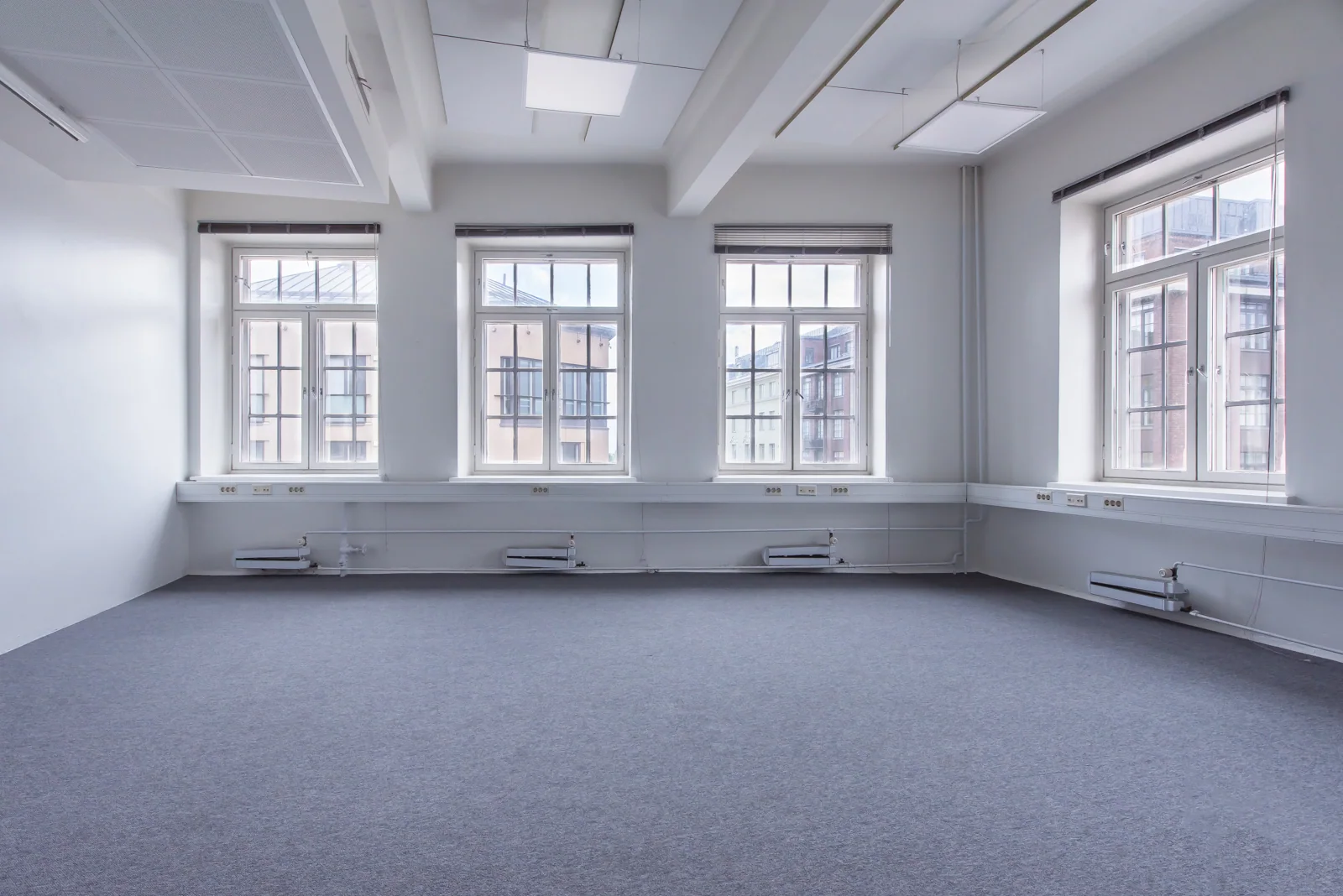
Virtual staging turns around in days rather than weeks for a photographed room, because nothing has to be sourced or delivered. That speed also buys flexibility a physical room does not have: the same empty photograph can be furnished more than once, with a different scheme for a family, a young professional or an investor, without anyone moving a single chair. A meeting room or an open-plan office can be shown furnished the same way, which matters when the space has to prove what it is for before anyone books a viewing.

What buyers see, and what has to stay honest
The difference that matters most shows up at the viewing. A traditionally staged home is furnished when the buyer walks in, so what they see in person matches the listing photographs. A virtually staged home is usually still empty in person, because the furniture only ever existed in the image. Agents who use virtual staging know this and set expectations before a viewing, so a buyer is not surprised to find bare rooms behind furnished photographs. Our work with estate agencies is built around that gap: the photograph has to sell the space without promising a room the buyer will not find.
What keeps virtual staging honest is what it does not touch. The camera position, the walls, the windows and the floor stay exactly as photographed. Nothing structural moves: a wall is not straightened, a radiator is not deleted and a room is not widened to look bigger than it is. Every virtually staged image is supplied with a copy captioned as virtually staged, in wording a portal or listing board can use, so the disclosure travels with the picture rather than depending on someone remembering to mention it. Traditional staging needs no such caption, because the furniture in the photograph is the furniture in the room.
Vacant homes vs occupied homes
A vacant property suits either method. There is nobody to work around, so a stylist can bring in furniture on a fixed day, or a photographer can shoot the empty rooms for virtual staging whenever it suits the seller.
An occupied or tenanted home is harder for traditional staging, because furnishing it usually means moving the current furniture out first, staging over the top of somebody’s daily life, or asking a tenant to vacate for the shoot and the viewing period. Virtual staging handles this differently: a room that already has furniture in it is cleared in the image first, as its own step, and then furnished digitally. The tenant’s belongings stay in the room. They are removed only in the picture. That difference is also why virtual staging suits a flat that is still tenanted, a house in another country, or a unit whose owner will not spend on furniture before it sells.
Virtual staging vs traditional staging at a glance
| Dimension | Traditional staging | Virtual staging |
|---|---|---|
| What changes | Real furniture is moved into the room | The photograph of the room is edited |
| Where the work happens | On site, inside the property | On the image file, after the photograph is taken |
| Typical turnaround | Needs lead time to source and deliver furniture | Days rather than weeks for a photographed room |
| A second look for the same room | Needs a new delivery and restyling visit | A new scheme reuses the same photograph |
| Occupied or tenanted homes | Usually needs the room cleared or the tenant away | Clutter is cleared in the image, not physically moved |
| What the buyer sees in person | Matches the listing photographs | The room is often still empty in person |
| Disclosure | None needed, the furniture is real | Delivered with a copy captioned as virtually staged |
When each one is the better choice
When traditional staging works better
High-end homes with many in-person viewings are the strongest case for traditional staging. When most buyers will walk through the property before making an offer, having the actual furniture there removes any gap between the listing photographs and the visit, and lets a buyer sit on the sofa and open the wardrobes. Show homes on a new development work the same way: a developer building several identical units often furnishes one unit physically as the show home, because it is walked through repeatedly by different buyers over a long sales period, and the same furniture is used for all of those visits.
When virtual staging works better
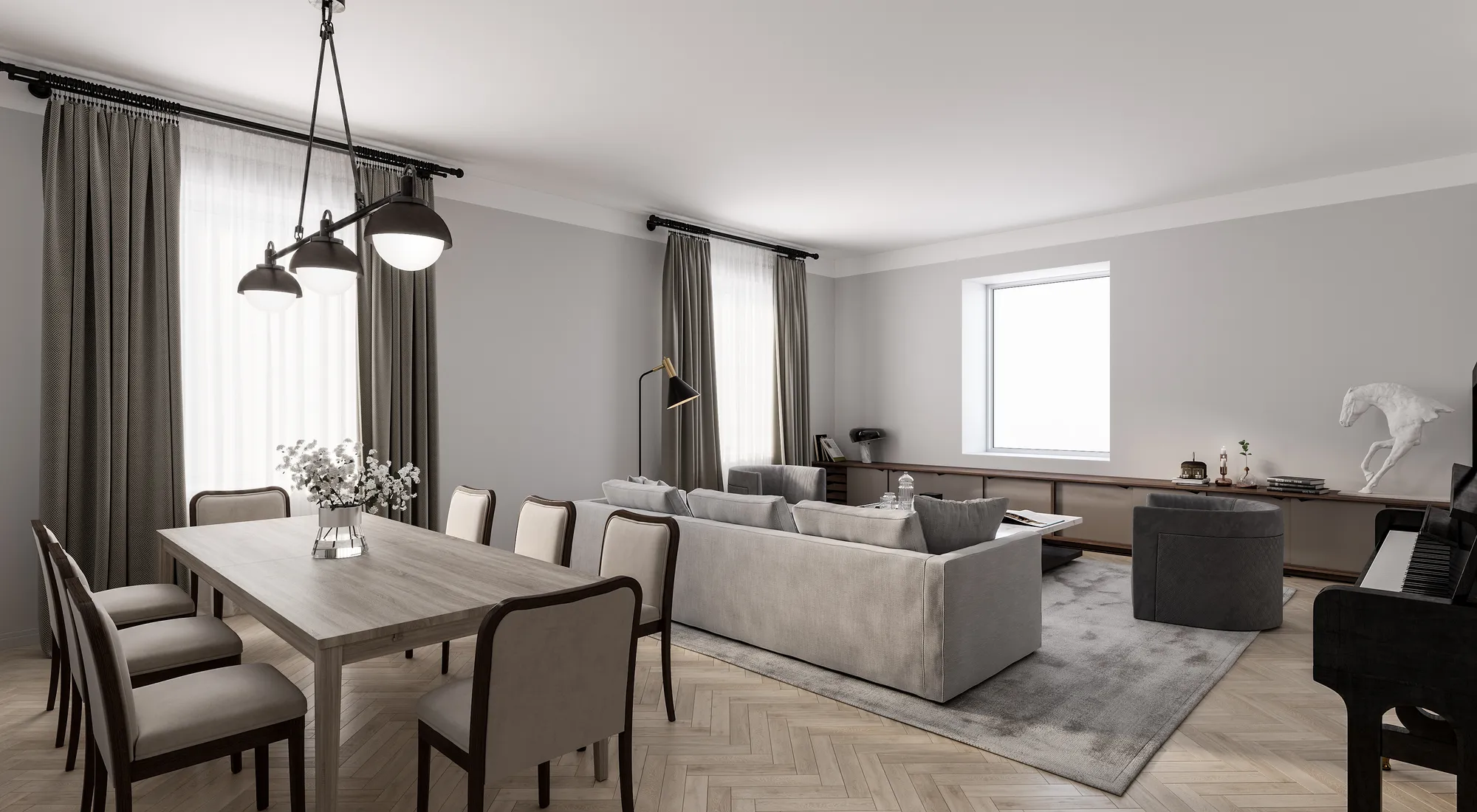
Virtual staging fits a vacant home being sold or let mostly through online listings, where most buyers decide whether to book a viewing from photographs rather than a walk-through. It also fits off-plan sales, rentals and offices, where furnishing a room physically for every prospective tenant makes no sense. For a property that has not been built yet, there is no photograph to stage in the first place. That case is not virtual staging at all: the room is modeled from the drawings and furnished in 3D, which is our interior rendering service rather than a staging job, and it suits developers selling apartments before a single wall exists. For a buyer who cannot visit at all, a 360-degree tour lets them look around the space on their own; see our virtual tours.
Questions about virtual staging vs traditional staging
Can traditional staging and virtual staging be used on the same listing?
Yes. A common pattern is to stage the rooms that get the most in-person viewings physically, and use virtual staging for secondary rooms, or for a version of the listing aimed at a different buyer. The two are not exclusive.
Does virtual staging work on a room that already has furniture in it?
Yes, once it has been cleared in the image. Clearing is quoted as its own step: temporary things such as boxes, a ladder or a tenant’s furniture are removed from the photograph before the new furnishing is added. Fixed features are never removed.
Which one do luxury show homes usually use?
Most show homes are staged physically, because they are walked through by many buyers over a long sales period and the furniture has to hold up to being touched and sat on, not just photographed.
Can virtually staged photographs be used again later?
Yes. You get full usage rights to the delivered images, so they can go on portals, brochures and social media for as long as you need them. A new furnishing scheme for the same photograph is a smaller job than the first one. Physical furniture, once collected and returned, cannot be shown again without another delivery.
Is one method faster to arrange than the other?
Virtual staging is quicker to set up, because it only needs a photograph rather than a delivery and a stylist visit. See how a quote and a delivery date are agreed, and our portfolio for more before-and-after examples. More questions are answered on our FAQ page.