

Blog
Virtual Staging vs Traditional Staging: What to Use When
Virtual staging and traditional staging solve the same problem in different ways. This guide compares what each involves, what drives the cost, and when to pick one over the other.

Virtual staging and traditional staging solve the same problem in different ways. This guide compares what each involves, what drives the cost, and when to pick one over the other.

A fair comparison of 9 architectural visualization studios, including 3D Studio, with a table, a short entry for each and a checklist for choosing one.

What to expect from interior rendering services, from the clay model to final delivery, plus a checklist for comparing studios before you hire one.

How 3D exterior rendering actually works, from the clay model stage to final delivery, and what to send to get a fast, accurate quote.

3D rendering cost is not a flat number. See what actually drives the price and how a fixed quote is calculated for your project.
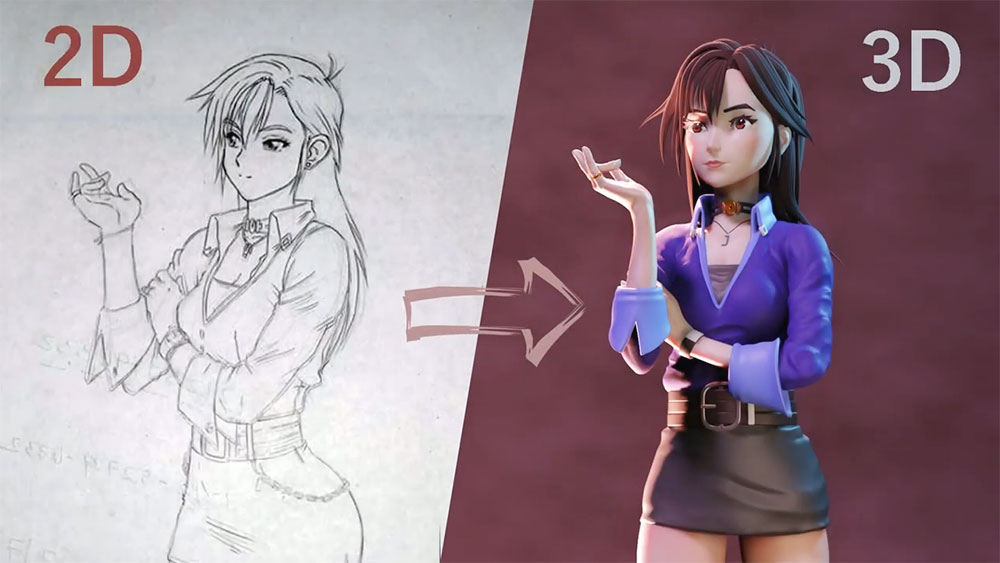
A structured beginner path for 3D modeling in Blender, covering the interface, mesh editing, modifiers, your first objects, UVs, materials and rendering.

3D architectural modeling turns an architect’s drawings into a 3D model used for design review, presentations, rendering, and BIM handover. Here is what it involves.
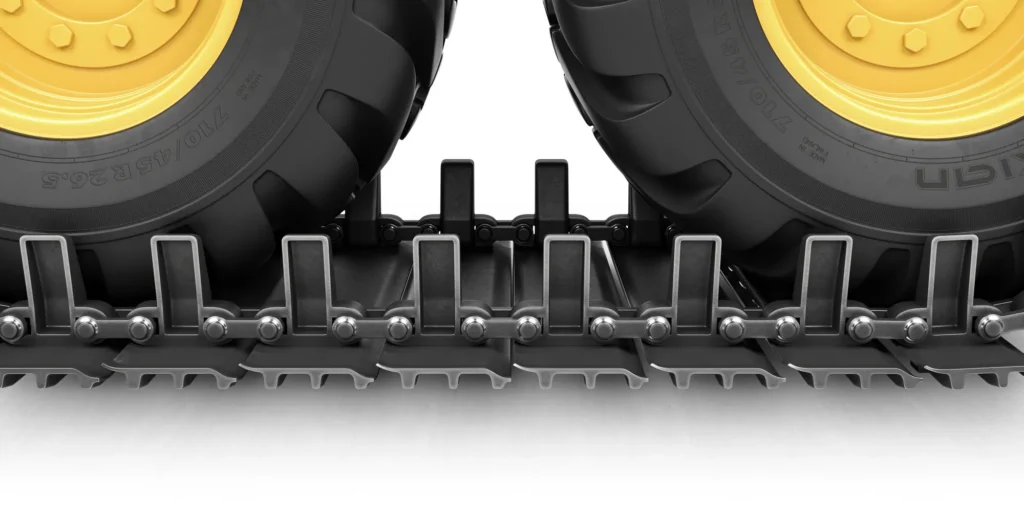
A step by step look at the 3D character modeling pipeline, from blocking to rigging, and the software artists use at each stage.

LOD, or level of detail, means showing a simpler version of a 3D model the farther it is from the camera. Here is what LOD means and how it works.

A 3D polygon is the flat face that makes up a mesh: vertices, edges and faces joined into the shape of a model. Here is how meshes are built and edited.
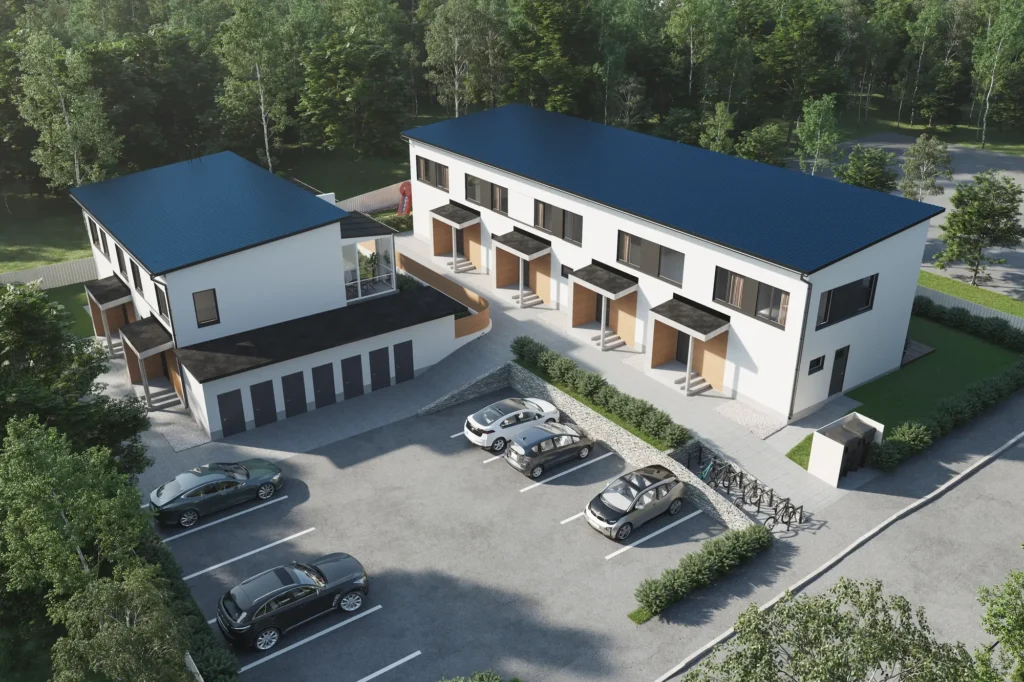
What digital sculpting actually is, how it compares to polygon modeling, and the tools 3D sculptors use, from desktop software to the browser.

Textured maps control the color, bumps, shine and metal look of a 3D model. Here is every common map type, plus how PBR puts them together.
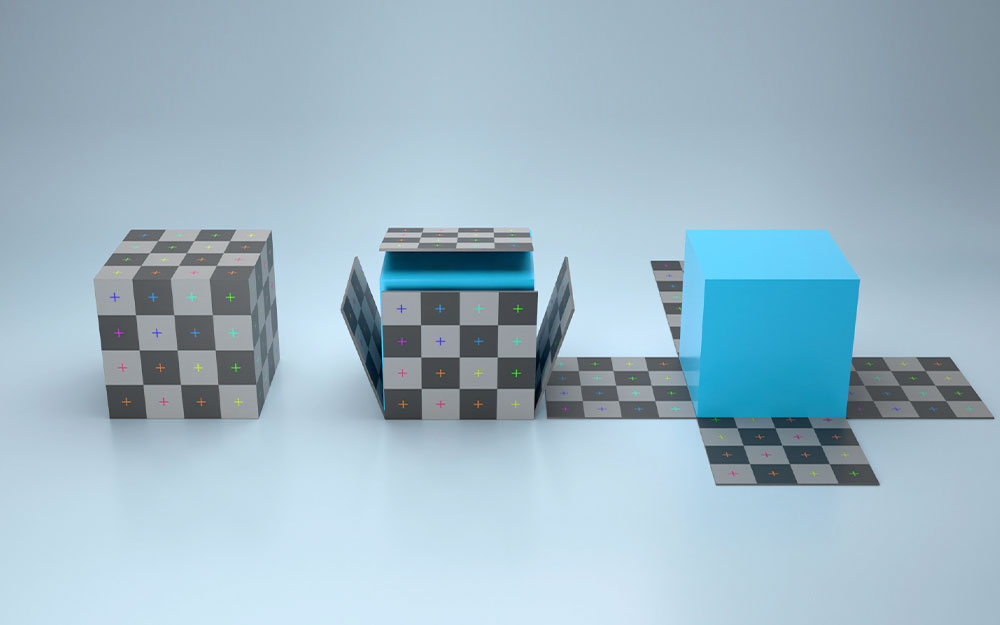
UV stands for the two axes of a flattened 2D texture. This guide covers UV unwrapping, seams, UV islands, texel density, UDIMs and the tools used.

Low poly models use few polygons and run in real time. High poly models use many polygons and are built for detail, not speed. Here is the difference.