

Free STL converter
3D files and images to STL
Convert STEP, OBJ, FBX, 3DS, glTF, PLY and IFC models to STL, or turn a PNG or JPG into a 3D relief for printing.
Everything runs in your browser, so no file is uploaded.
Need the model rebuilt, cleaned up for printing or production, or rendered? We model from drawings, scans and files like this one, and send a fixed quote within 30 minutes.
Want a logo, sign or product modelled properly instead of traced from an image? Send it to us and get a fixed quote within 30 minutes.
Free, no sign-up. Your file stays on your computer. It is opened and converted in this browser tab and is never uploaded to us or anyone else.
File will not convert, or the model needs cleaning up? Our team fixes and converts it for you. Send us the file and we reply with a fixed price. Send the file
- No upload, no sign-up and no watermark
- Shows the size, the triangle count and whether the mesh is watertight
- Also converts STL to STEP, OBJ, GLB and PLY
How it works
How to convert a file to STL
3 steps, and the file never leaves your computer.
1. Add your file
Drop a 3D model on the converter or click to choose it. For an OBJ with materials and textures, select the .obj, .mtl and image files together, or drop them as one .zip file.
2. Check the model
The model opens in a 3D preview that you can rotate and zoom. The panel under it shows the triangle count, the size in millimetres when the file has units, and whether the mesh is watertight.
3. Download the STL
Keep STL selected, or pick STEP, OBJ, GLB or PLY, and click Convert and download. The new file is written in your browser and saved to your downloads folder.
Image to STL
How to turn an image into an STL file
Switch the converter to Image to STL. It reads the brightness of each pixel as a height and builds a solid, printable relief.
Logos, signs and reliefs
With the default setting, dark areas are raised and light areas stay at the base height. A black logo on a white background becomes a raised logo on a flat plate. Transparent areas count as white.
Lithophanes
A lithophane is a thin print that shows the picture when light shines through it. Keep dark areas raised, set the base to 0.8 mm and the relief to 2.2 mm (3 mm in total), and print it standing upright in white filament.
Size and detail
Set the width in millimetres and the depth follows the proportions of the image. More detail points give sharper edges and a bigger file. 200 points across is enough for most prints up to 150 mm wide.
Supported formats
Files it opens and files it saves
The converter opens 18 3D formats and saves 7. CAD formats such as STEP and IGES are turned into triangles at a fine setting, so curved surfaces stay smooth.
STL.stl
The standard file for 3D printing: a mesh of triangles with no colour and no units.
OpensSaves
STEP.step .stp
The CAD exchange format of SolidWorks, Fusion 360, Inventor, Creo, CATIA and Onshape. Saved STEP files are made of flat faces.
OpensSaves
OBJ.obj .mtl
A common mesh format with materials and textures, read by almost every 3D program.
OpensSaves
FBX.fbx
The Autodesk format of 3ds Max and Maya, and of game engines such as Unity and Unreal.
OpensDoes not save
glTF and GLB.gltf .glb
The format for the web, AR and real-time viewers, with materials packed into one file.
OpensSaves
PLY.ply
A mesh format used by 3D scanners and photogrammetry software, often with colour on every point.
OpensSaves
3MF.3mf
The newer 3D printing format of slicers such as PrusaSlicer, Bambu Studio and Cura.
OpensDoes not save
IFC.ifc
The open BIM format exported by Revit, ArchiCAD, Tekla and Vectorworks.
OpensDoes not save
3DM.3dm
The Rhino format, used in architecture, jewellery and product design.
OpensSaves
3DS.3ds
The older 3ds Max format, still common in model libraries.
OpensDoes not save
IGES and BREP.igs .iges .brep
Older CAD exchange formats for surfaces and solids.
OpensDoes not save
DAE, OFF and VRML.dae .off .wrl
Mesh formats from SketchUp exports, research tools and older software. OFF can also be saved.
OpensSaves
Before you print
4 things to check in an STL file
A converted file can be correct and still print badly. These are the first checks a 3D printing service runs.
A watertight mesh
A printable STL must be a closed solid, with no holes and no loose edges. The converter shows Watertight: Yes or No for files up to 400,000 triangles. If it says No, repair the mesh in your slicer, in Microsoft 3D Builder or in Blender before you print.
Units and scale
STL files have no units. STEP and IGES models are converted in millimetres, which is what slicers expect. IFC building models usually arrive in metres. If a model is 10, 25.4 or 1,000 times too big or too small, it was drawn in centimetres, inches or metres: scale it in the slicer.
The triangle count
Curved surfaces are stored as many small flat triangles. Too few, and circles print with visible flat sides. Too many, and the file becomes slow to handle. Most prints need between 50,000 and 1 million triangles.
Binary or ASCII STL
Binary STL is about 5 times smaller than ASCII STL and every slicer reads it, so it is the default. ASCII STL is plain text. Choose it only when another program asks for it.
When a converted file is not enough
What a converter cannot do for you
A converter changes the file format. It cannot add detail that is not in the file, fix a model that was built wrong or turn a drawing into a 3D model. That is modelling work, and it is what we do.

3D modeling from drawings
We build clean, accurate 3D models from CAD drawings, PDFs, sketches and scans, with correct units and real curves instead of triangles.
See 3D modeling
3D product rendering
Photoreal images of furniture, fixtures and products for catalogues, web shops and launches, made from your CAD files.
See product rendering
Architectural visualization
Exterior and interior images of buildings that are not built yet, made from your Revit, ArchiCAD, SketchUp or IFC model.
See architectural visualization
STL converter FAQ
Questions about converting to STL
Short answers on privacy, formats and file size.
Ask us a questionIs this STL converter free?
Yes. There is no sign-up, no watermark and no limit on how many files you convert. We offer it for free because the people who use it sometimes need a 3D model built or rendered, which is the work we are paid for.
Are my files uploaded to your server?
No. The converter runs in your browser. Your file is read and converted on your own computer and saved straight to your downloads folder. The only thing loaded from the internet is the converter code itself.
How do I convert a STEP file to STL?
Drop the .step or .stp file on the converter, keep STL selected and click Convert and download. The STEP solid is turned into triangles at a fine setting (0.1% of the model size), so curves stay smooth. An assembly is saved as one STL with all of its parts in place.
Can I convert STL to STEP?
Yes. Choose STEP as the output. Each triangle becomes a flat face, and a watertight STL opens in CAD as a solid that you can measure and cut. Curves stay faceted, because an STL file does not contain the original curves. A model with true curves has to be rebuilt; see our 3D modeling service. STEP output is limited to 300,000 triangles.
Can I convert a SketchUp, Revit or SolidWorks file to STL?
Not directly, because these are closed formats that only their own programs can read. Export from the program first: in SketchUp use File > Export > 3D Model, in Revit export IFC, and in SolidWorks save as STEP or STL. Then convert the exported file here.
How big can the file be?
There is no fixed limit. Your computer does the work, so the limit is its memory. Files of a few hundred megabytes usually work on a normal laptop.
Does the STL keep colours and textures?
No. STL stores only the shape. To keep materials and textures, choose OBJ or GLB as the output. To keep the colour of each point from a 3D scan, choose PLY.
More free tools
Other free 3D and CAD tools
Each one runs in your browser, like this one.
IFC viewer
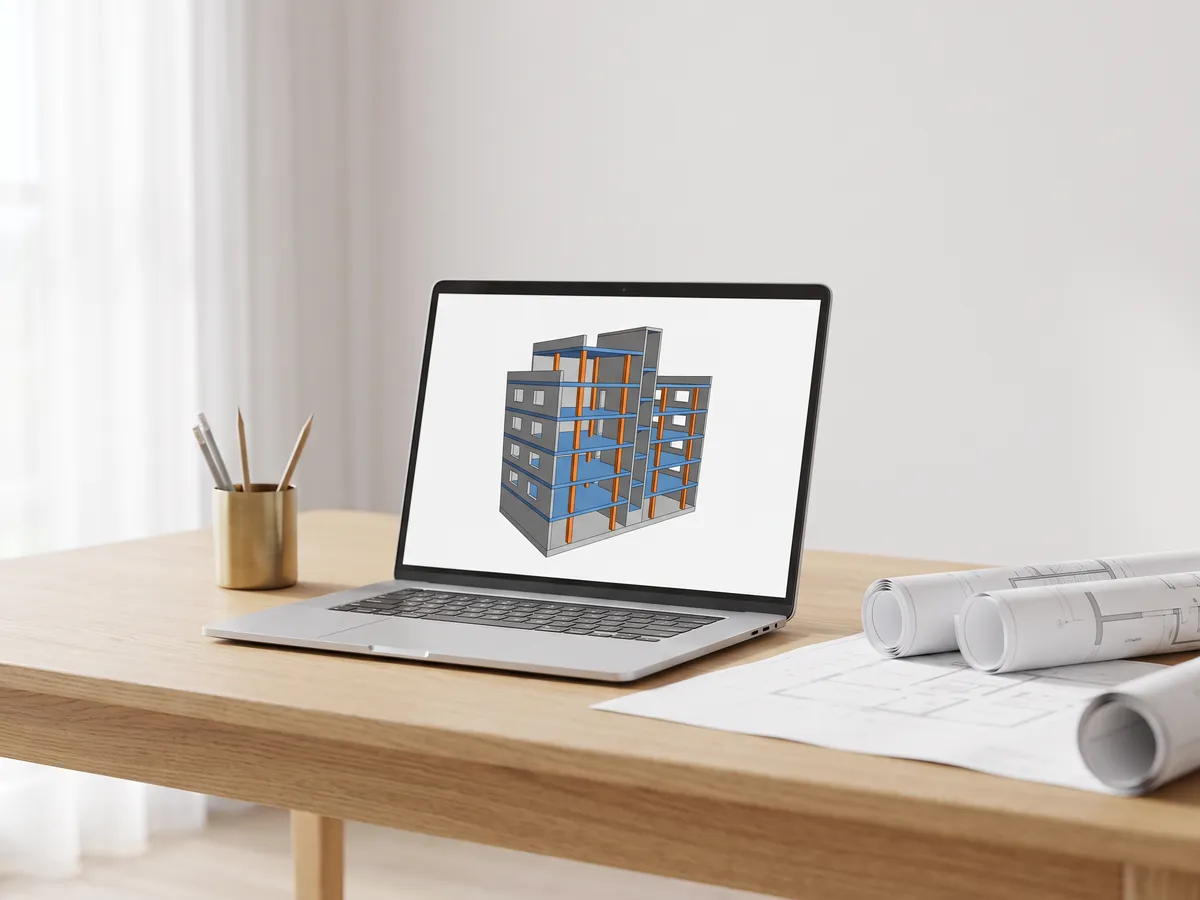
Open IFC files from Revit, ArchiCAD and Tekla. Filter by element and level, check properties and measure.
Open the IFC viewer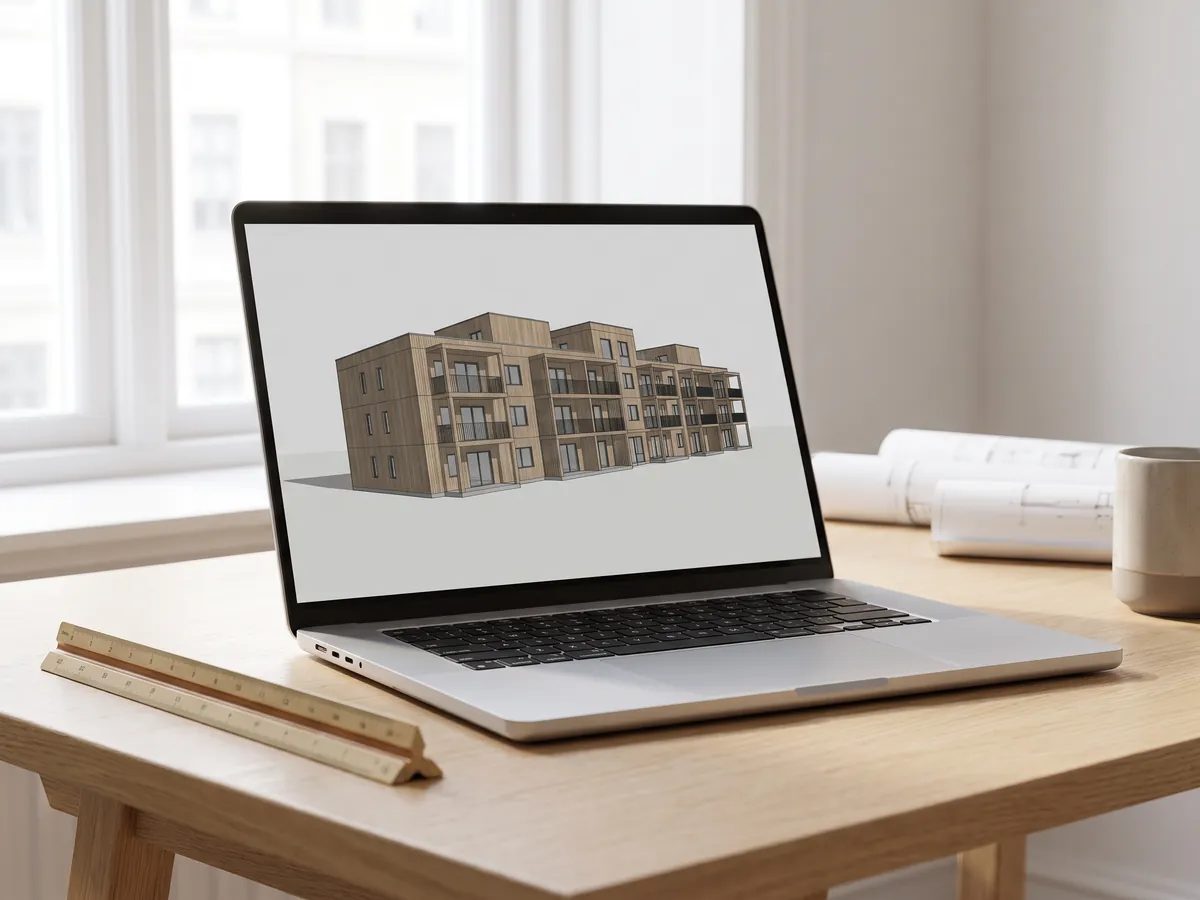
Revit viewer
Open .rvt files without Revit: converted to IFC by Autodesk, then viewed with levels and properties.
Open the Revit viewer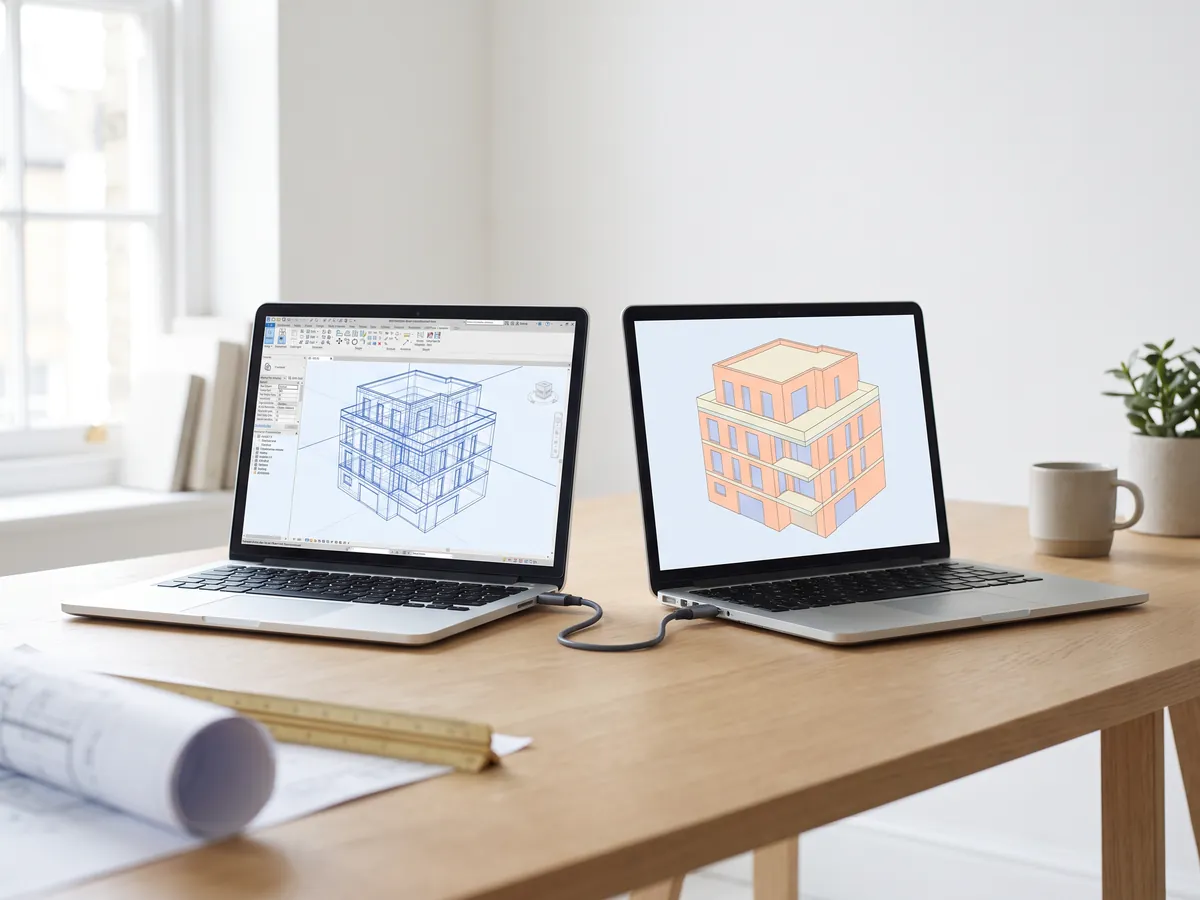
Revit to IFC converter
Convert RVT files to IFC 2x3 with levels and properties, using Autodesk's own conversion.
Convert Revit to IFC
BIM viewer
Review BIM models from Revit, Archicad and Tekla without a licence: levels, properties, measuring.
Open the BIM viewer
DWG viewer
Open AutoCAD DWG and DXF drawings online: every layout, layers on and off, zoom and pan.
Open the DWG viewer
DXF viewer
Open DXF files online: every layout, layers on and off, zoom, then save as PDF or SVG.
Open the DXF viewer
DWG to PDF
Plot AutoCAD drawings to PDF: layouts 1:1 with title blocks, line weights and hatches.
Open DWG to PDF
Normal map generator
Make normal, height, roughness and AO maps from any image, seamless if you need it.
Open the normal map generator
PDF to DWG
Turn PDF drawings into CAD lines for AutoCAD: lines, text and layers, at drawing scale.
Open PDF to DWG
SVG to DXF
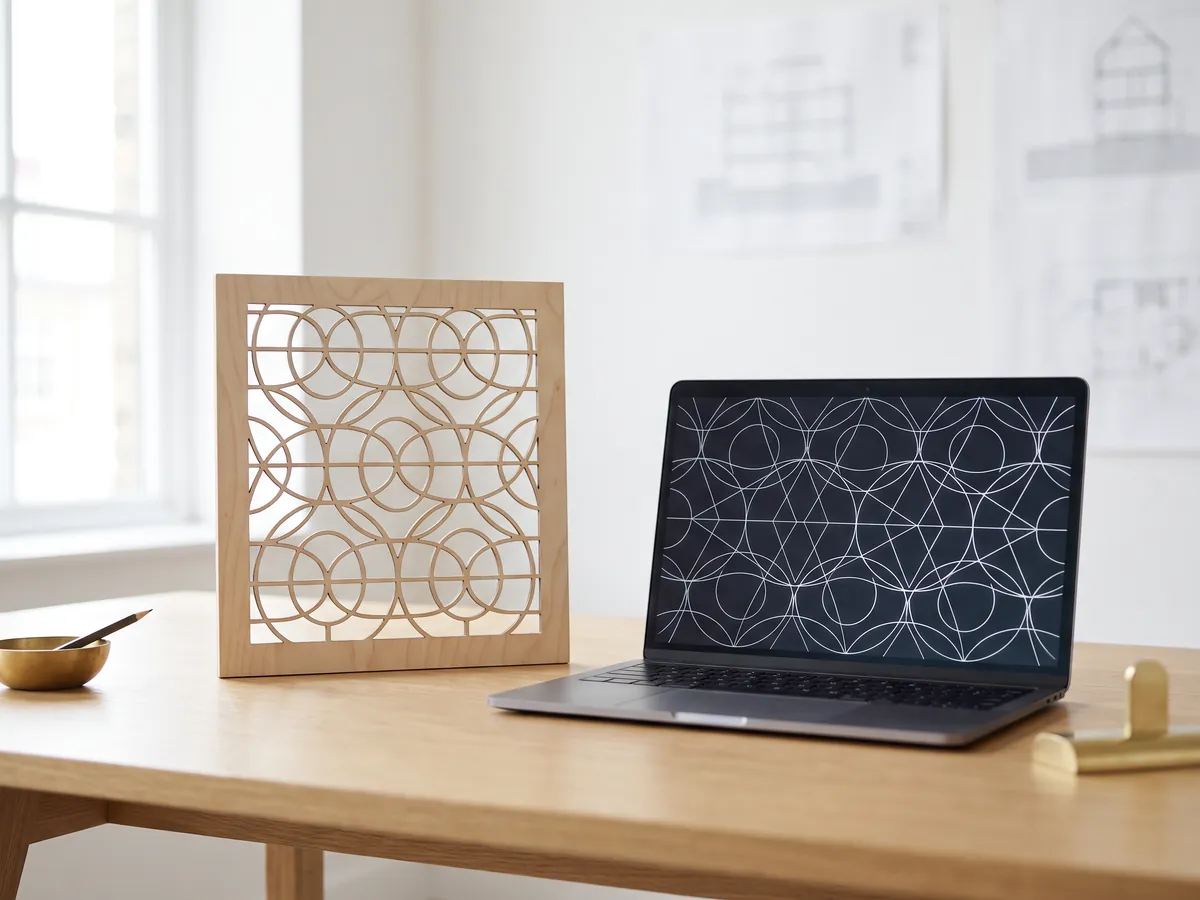
Convert SVG to DXF for CAD, laser cutting and CNC: exact lines, layers, real size.
Open SVG to DXF
DXF converter
Open DXF drawings and save them as PDF or SVG, with layouts, line weights and hatches.
Open the DXF converter
Before and after slider
Make a before and after slider, video or image from two photos, for listings, Reels and your website.
Open the before and after maker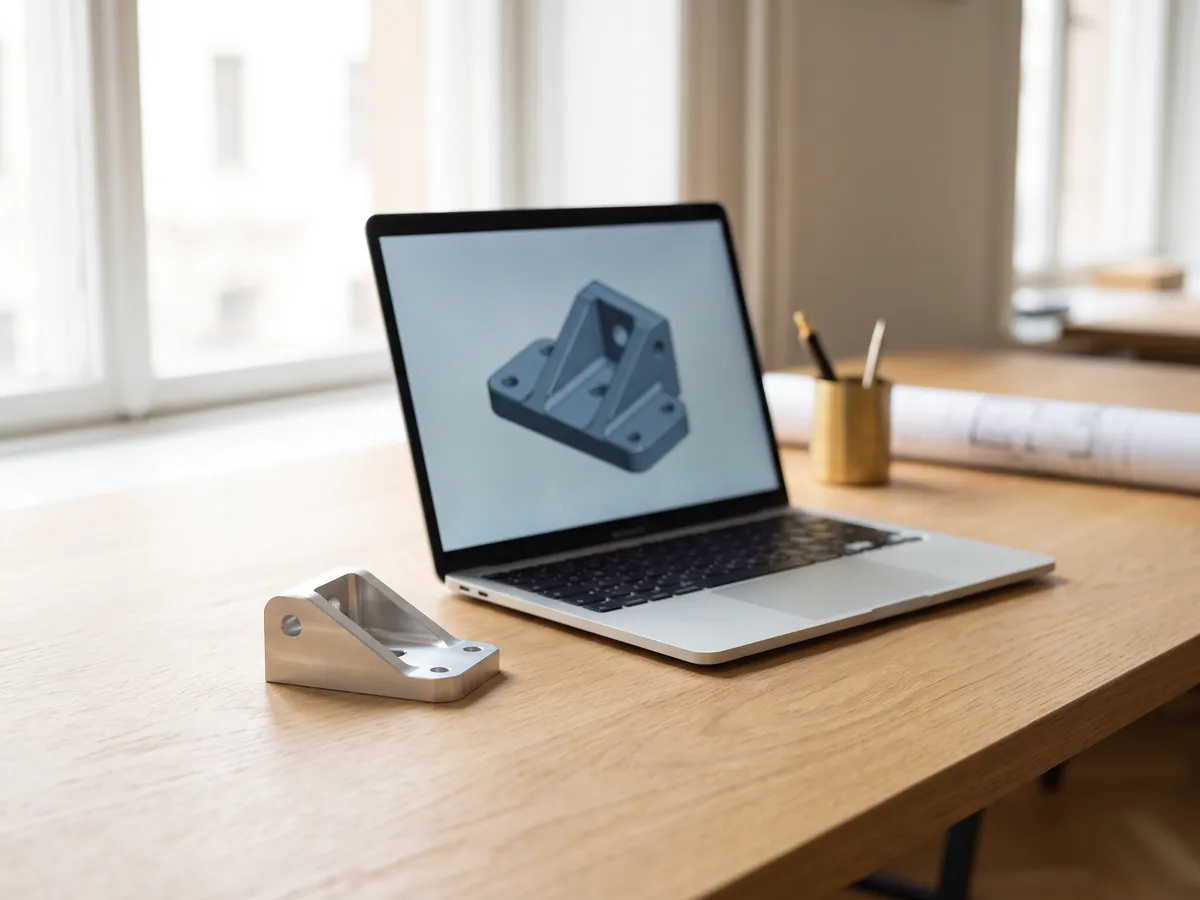
STEP viewer
Open STEP and IGES files from SolidWorks, Fusion 360 and Inventor. See every part and measure.
Open the STEP viewer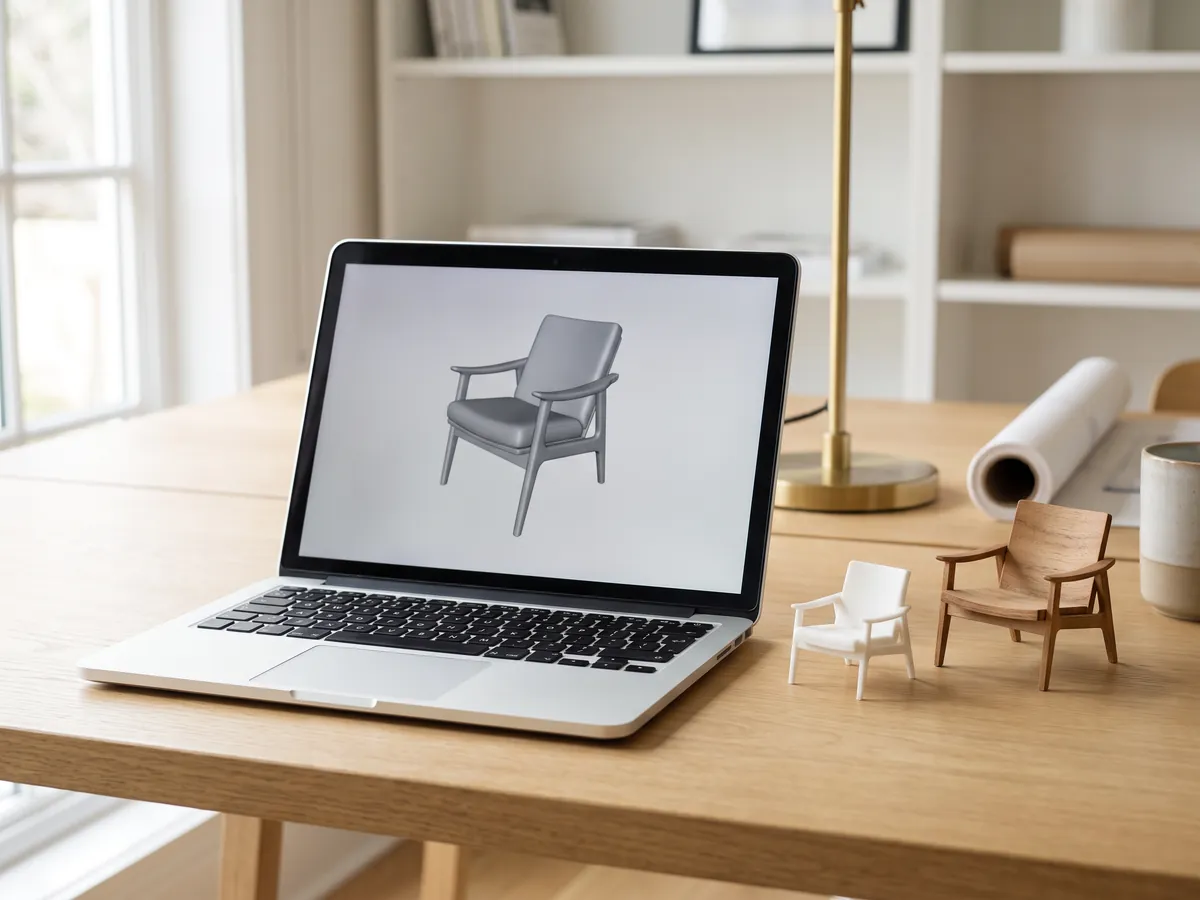
3D viewer
Open 18 kinds of 3D file online, from STEP and FBX to GLB and IFC, with parts and measuring.
Open the 3D viewer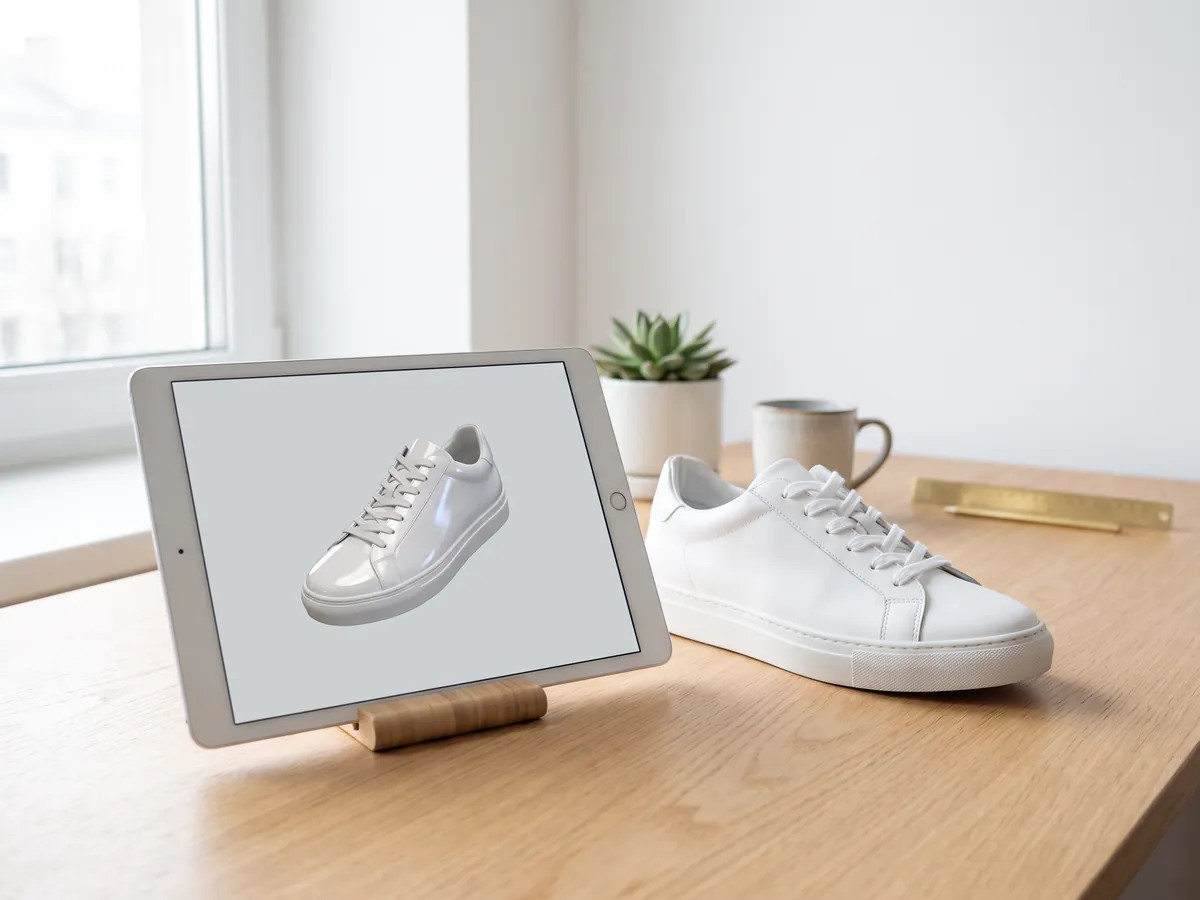
GLB viewer
Open GLB and glTF files with their materials and textures, size and triangle count.
Open the GLB viewer
OBJ viewer
Open OBJ files with their MTL materials and textures, and save as STL, GLB or STEP.
Open the OBJ viewer
SolidWorks viewer
Open SolidWorks part files without SolidWorks, then save them as STL, STEP or GLB.
Open the SolidWorks viewer
STL viewer
View STL files for 3D printing with size, volume, weight and a watertight check.
Open the STL viewer
3D converter
Convert between STEP, OBJ, FBX, STL, glTF, PLY, IFC and more, in both directions.
Open the 3D converter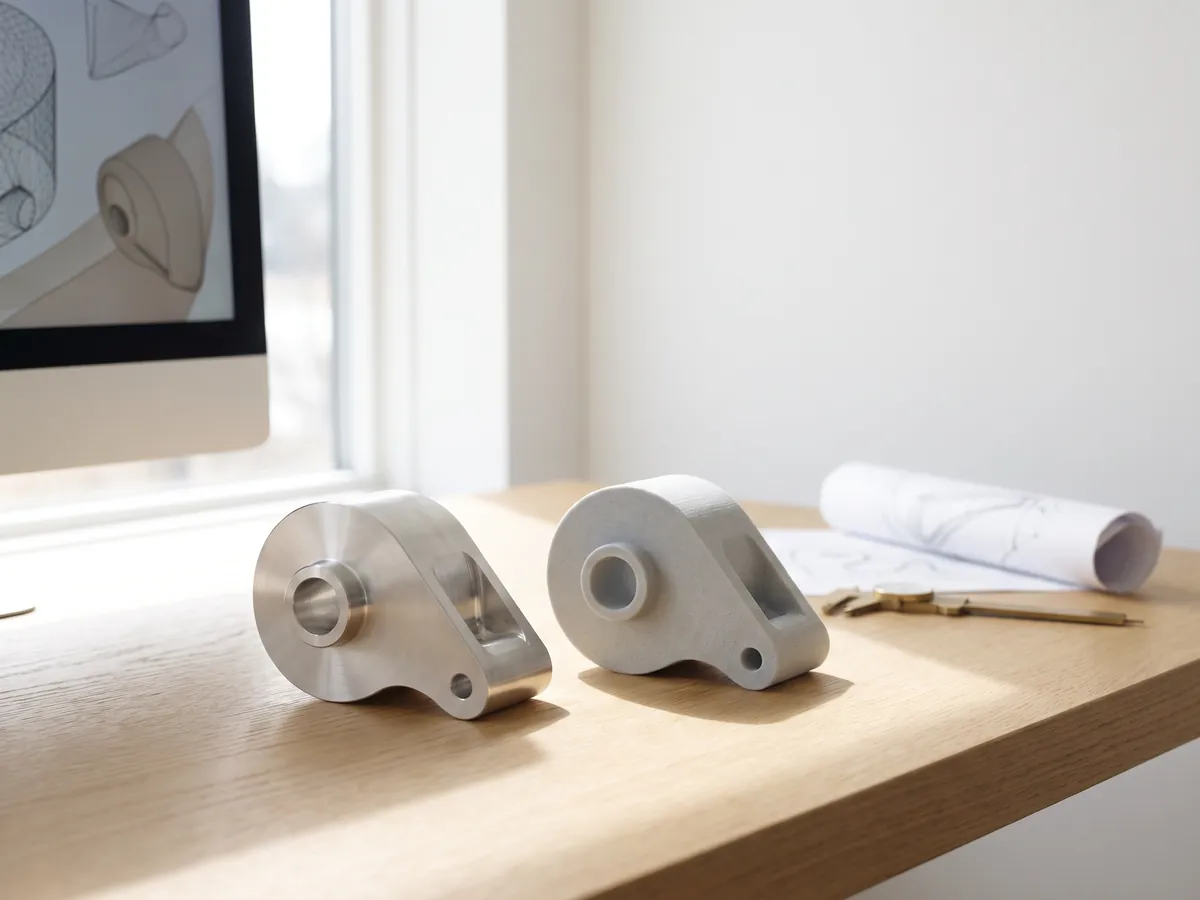
STEP to STL
Convert STEP and STP files from SolidWorks, Fusion 360 and Inventor to STL for 3D printing.
Open STEP to STL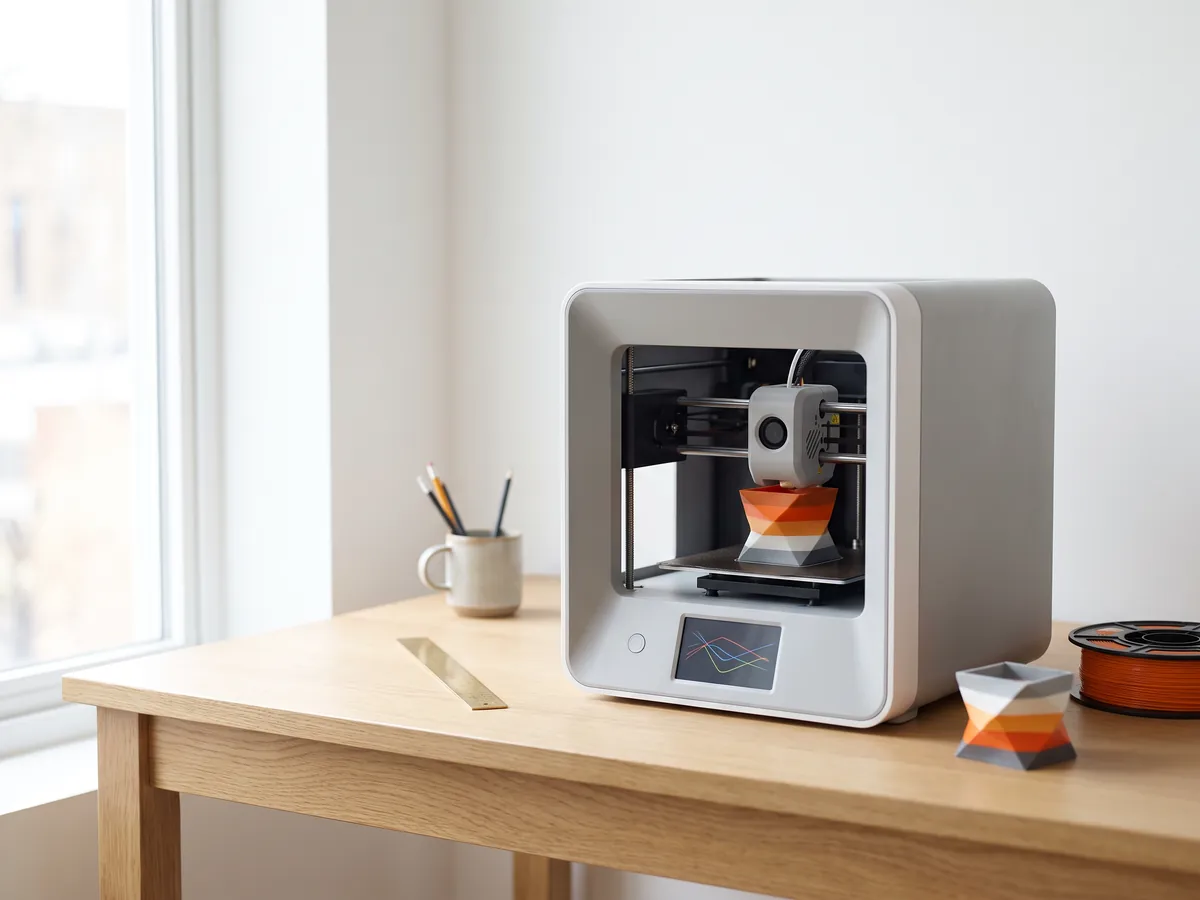
3MF to STL
Convert 3MF files from Bambu Studio and PrusaSlicer to STL, or STL to 3MF.
Open 3MF to STL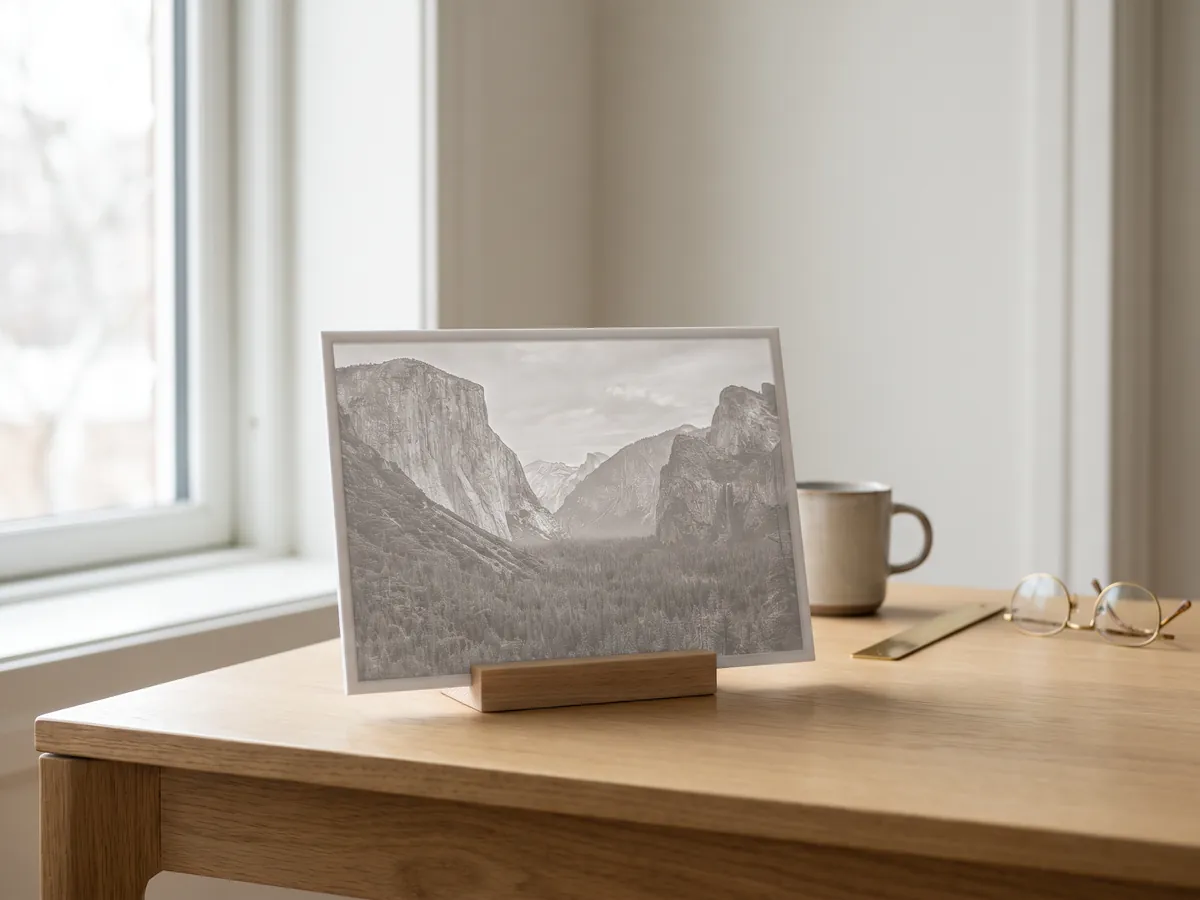
Image to STL
Turn PNG and JPG images into STL or OBJ reliefs and lithophanes for 3D printing.
Open image to STL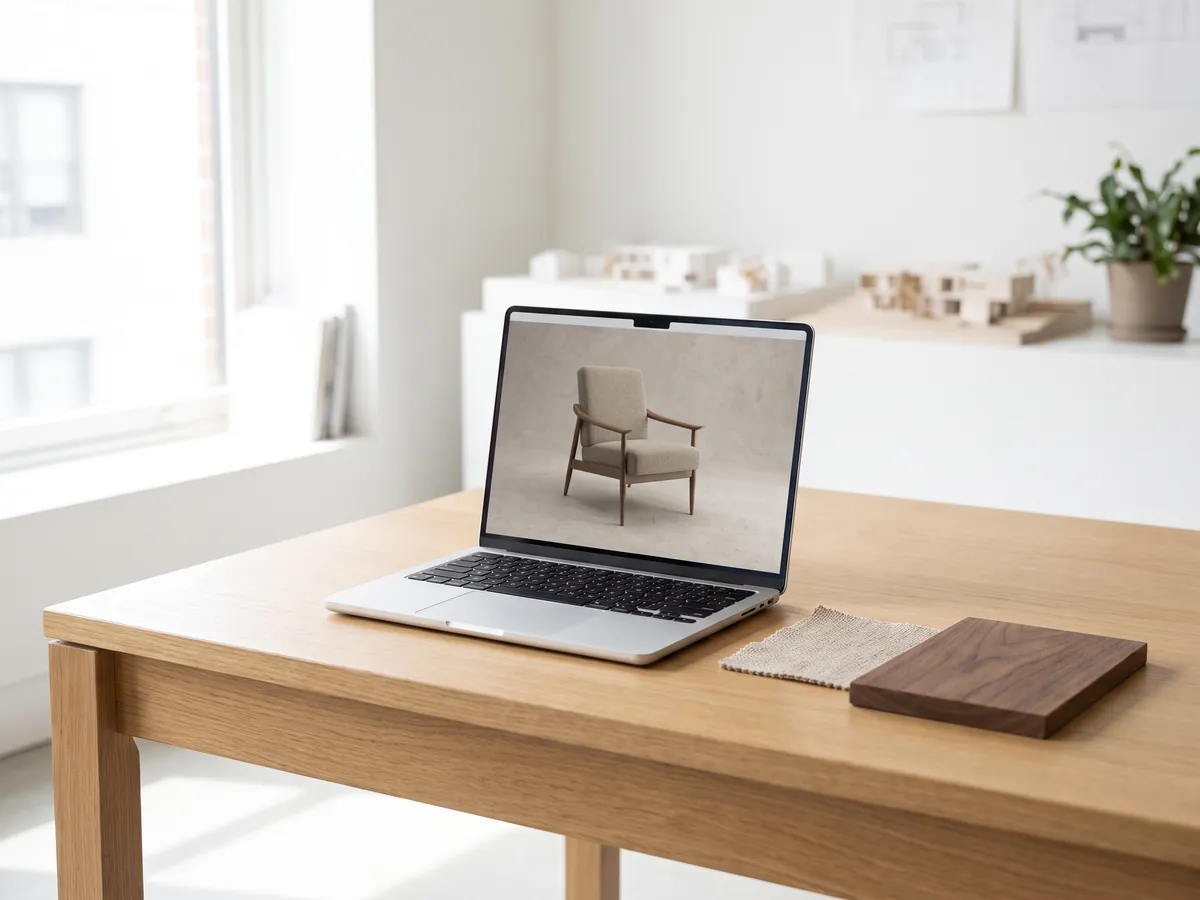
OBJ converter
Convert STL, FBX, STEP, glTF and 3DS to OBJ with materials, or OBJ to other formats.
Open the OBJ converter
FBX converter
Convert FBX files from 3ds Max, Maya and Blender to OBJ, GLB or STL.
Open the FBX converterEmbed this tool
Put the free STL converter on your own site, course page or wiki. Paste this code where it should appear.
Cite this tool
For a thesis, paper or course material: APA style first, then BibTeX.
1,247
Projects completed
13
Years in business
17
Countries delivered to







★★★★★
Rated 5.0 on Clutch · See our reviews
Architects, developers & interior designers
Working for 215 companies since 2013
125 of 220 clients came back
More than half of our clients have hired us again

Need more than a file conversion?
Get a clean 3D model built from your files
Send the drawings, scans or meshes you have. We reply with one fixed price and a delivery date within 30 minutes.