

Free normal map generator
Normal, height, roughness and AO maps
Drop a photo or a texture and get a normal map, a height (displacement) map, a roughness map and an ambient occlusion map, with a lit preview that you can move the light over.
Everything is made on your own computer: the image is never uploaded.
Need the whole scene, not only the texture? We model, texture and render products, interiors and buildings, and reply within 30 minutes: a fixed price and a delivery date, or the 1-2 questions we need answered first.
Free, no sign-up. Your image stays on your computer. The maps are made in this browser tab and the image is never uploaded to us or anyone else.
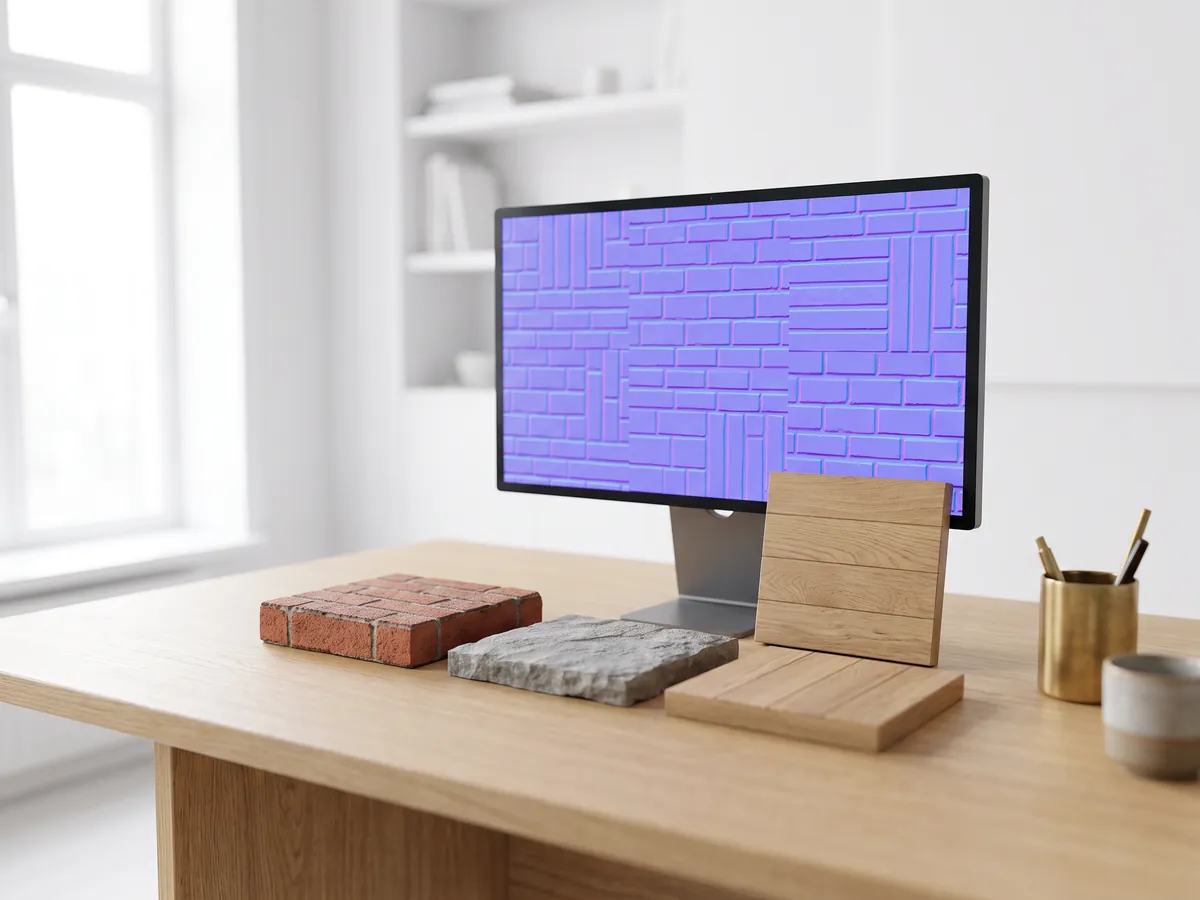
- Normal maps in OpenGL or DirectX format
- Make any texture seamless for tiling
- All maps in one ZIP, up to 2048 px
How it works
How to make a normal map from an image
3 steps, and the image never leaves your computer.
1. Drop an image
Use a photo of a surface, such as brick, stone, wood, fabric or concrete, or a texture you already have. Take the photo straight on, in soft light.
2. Adjust and check
Set the normal strength, smoothing, roughness contrast and AO strength. Move the pointer over the lit preview to see the relief from every side, and switch between the maps.
3. Download the maps
Click Download to save the normal, height, roughness and AO maps in one ZIP, plus the seamless colour texture if you made it seamless.
The maps
What each map is for
4 maps from one image, ready for any PBR material.
Normal map
Stores the direction each point of the surface faces, as red, green and blue. Renderers use it to light small bumps, grooves and grain without extra geometry. Choose OpenGL or DirectX to match your software.
Height map (displacement map)
Black is low and white is high. Use it for displacement, parallax or a bump map. It is the image's brightness, smoothed and stretched to the full range; invert it if dark parts of your surface are the raised ones.
Roughness map
Dark is glossy and white is rough. Made from the inverted brightness of the image, so worn, dark and wet-looking parts come out shinier. Raise the contrast for a stronger difference.
Ambient occlusion (AO) map
Darkens the cracks, joints and hollows where less light reaches, such as mortar joints between bricks. Multiply it over the colour, or plug it into the AO slot of your material.
Using the maps
How to use the maps in Blender, Unreal, Unity and 3ds Max
The one setting that matters is OpenGL or DirectX.
Blender, Unity and Maya: OpenGL
Leave DirectX off. In Blender, set the normal map image to Non-Color and connect it through a Normal Map node. In Unity, set the texture type to Normal map.
Unreal Engine and 3ds Max: DirectX
Tick DirectX before you download. In Unreal, the texture is then imported with Normalmap compression. If the bumps look inverted in any program, switch the setting and download again.
Seamless textures
Tick Make it seamless and the image is blended across its edges so it tiles without visible seams. All the maps are made to tile too, so they line up on a floor or a wall of any size.
Architecture and interiors
Brick, plaster, timber and stone photographed on site become materials that match the real building, for SketchUp, V-Ray, Corona, Enscape, Twinmotion and Lumion scenes.
When the texture is not enough
Need the whole scene rendered?
We model, texture and render products, interiors and buildings for brands, architects and developers.
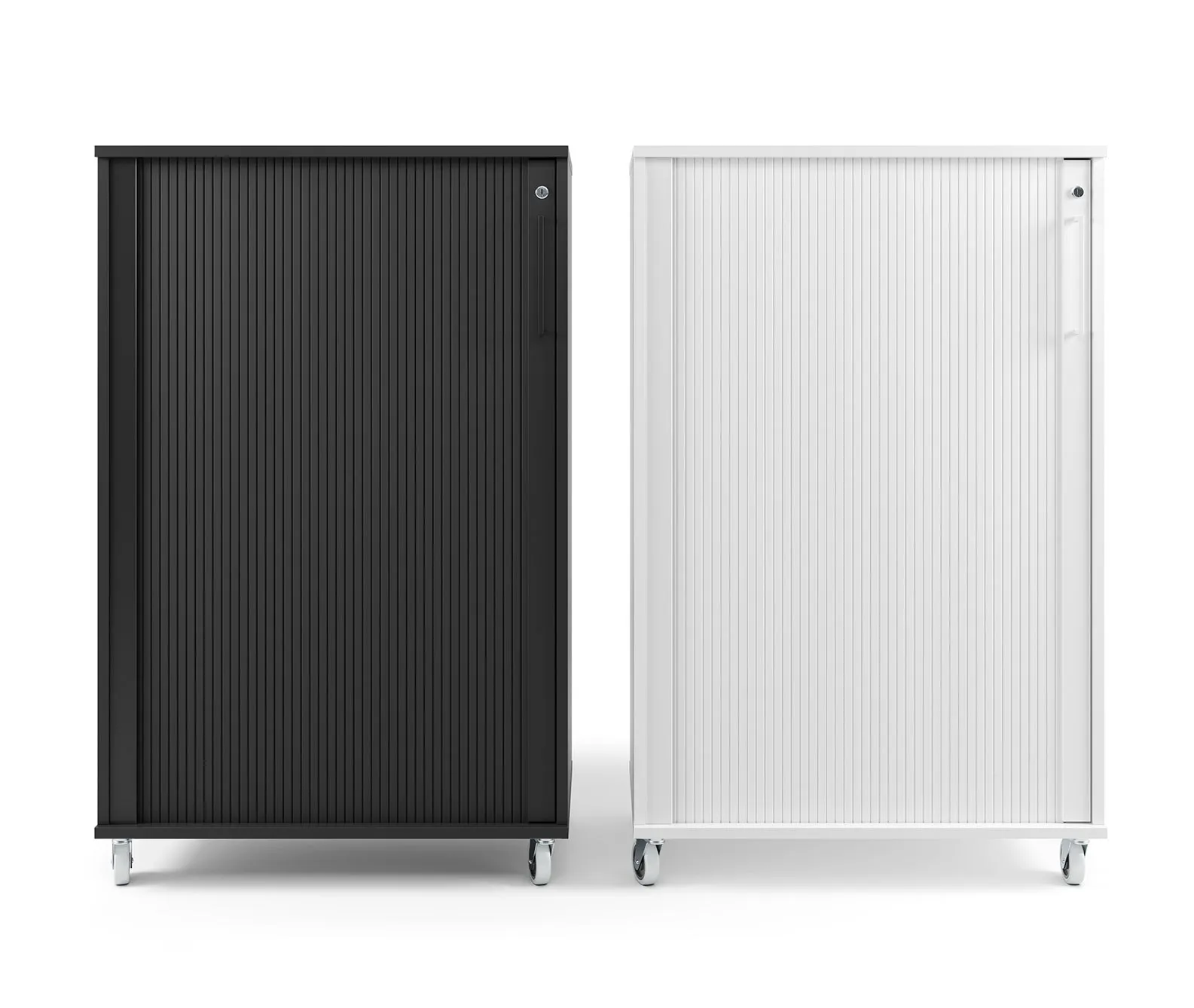
3D product rendering
Photoreal studio and lifestyle images of your product, with every material matched to the real one.
See product rendering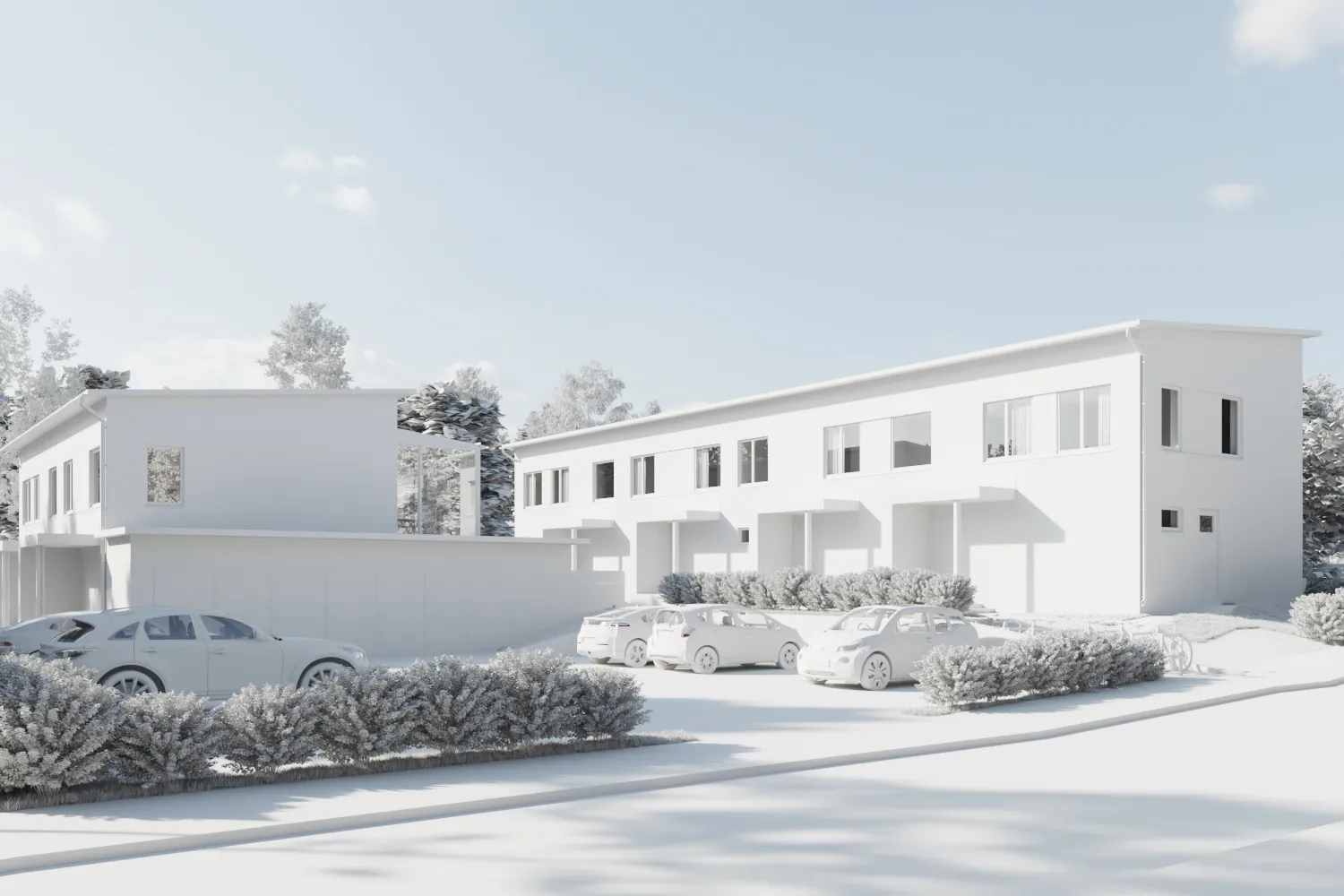
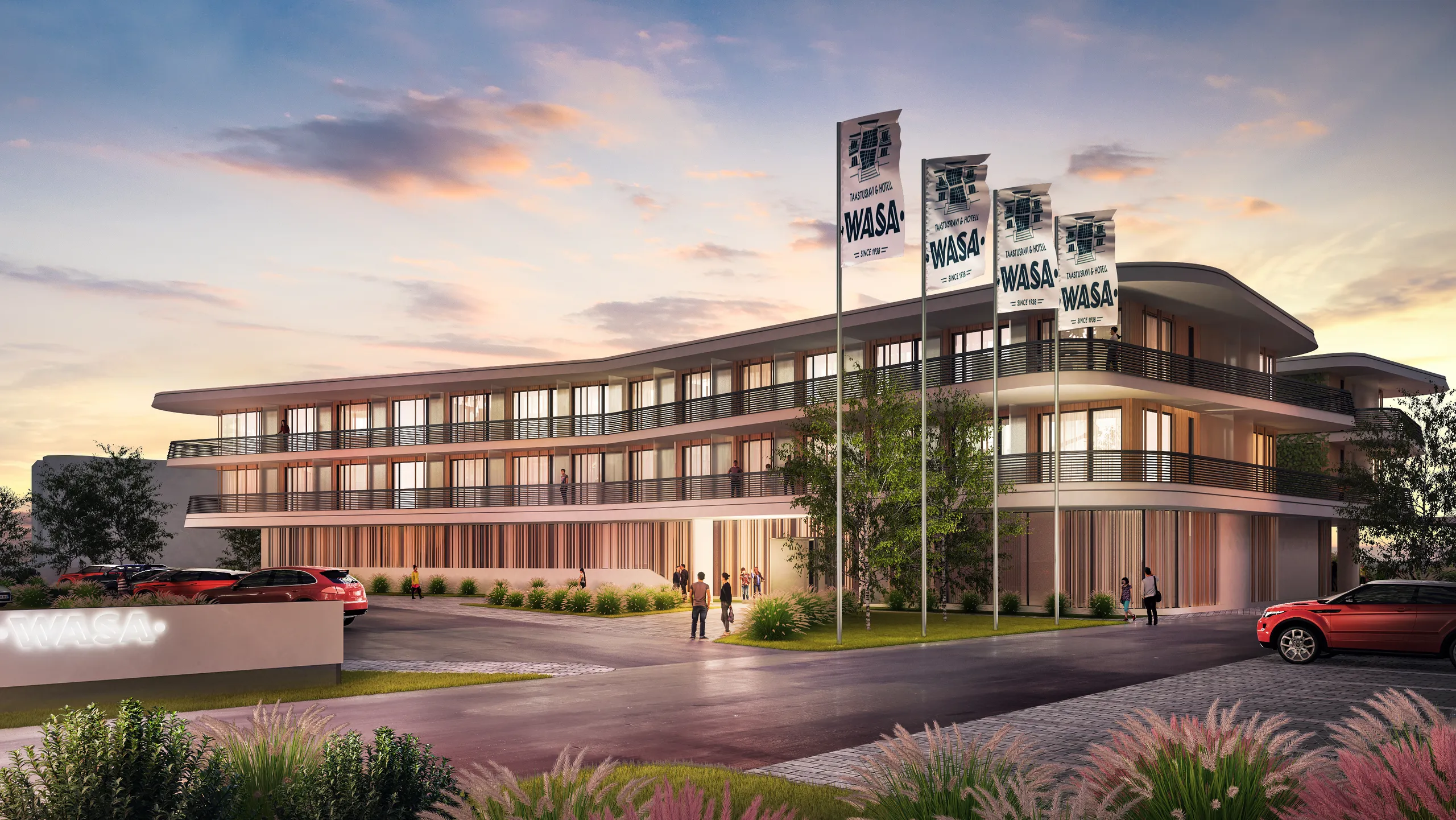
Architectural visualization
Photoreal images of buildings and interiors for planning, sales and competitions.
See architectural visualization
Normal map FAQ
Questions about making normal maps from an image
Formats, OpenGL or DirectX, seamless textures and what the maps can and cannot do.
Ask us a questionWhat is a normal map?
An image that stores which way each point of a surface faces, in its red, green and blue channels. A renderer uses it to light fine detail, such as the grain of wood or the joints in a brick wall, on a flat surface without adding geometry.
Should I use OpenGL or DirectX?
It depends on the software. Blender, Unity, Maya and Substance use OpenGL, which is the default here. Unreal Engine and 3ds Max use DirectX, so tick DirectX before downloading. The only difference is the green channel, which is flipped.
What is the difference between a normal, height, bump and displacement map?
A height map stores how high each point is, from black (low) to white (high); used as a bump map it only changes the lighting, and used as a displacement map it moves the geometry. A normal map stores the slope of that height, which lights fine detail more accurately than a bump map.
How accurate are the maps?
The maps are read from the brightness of the image, which works well for bricks, stone, wood, plaster and fabric photographed straight on in soft light. Painted patterns and strong shadows are read as relief too. It is a quick approximation, not a 3D scan or a bake from a high-poly model.
How large can the image be?
Any size opens. Images larger than 2048 pixels on the long side are scaled down to 2048, which keeps the tool fast on a normal laptop. All maps are saved at the same size as the working image.
Is my image uploaded?
No. The maps are made in this browser tab on your own computer, and the image is never sent to us or anyone else. It is free, with no sign-up and no limit.
Where can I get a texture to start from?
Use our free seamless textures: 41 tileable materials, each with a colour map and a normal map. Drop one here to make its height, roughness and ambient occlusion maps.
More free tools
Other free 3D and CAD tools
Each one runs in your browser, like this one.
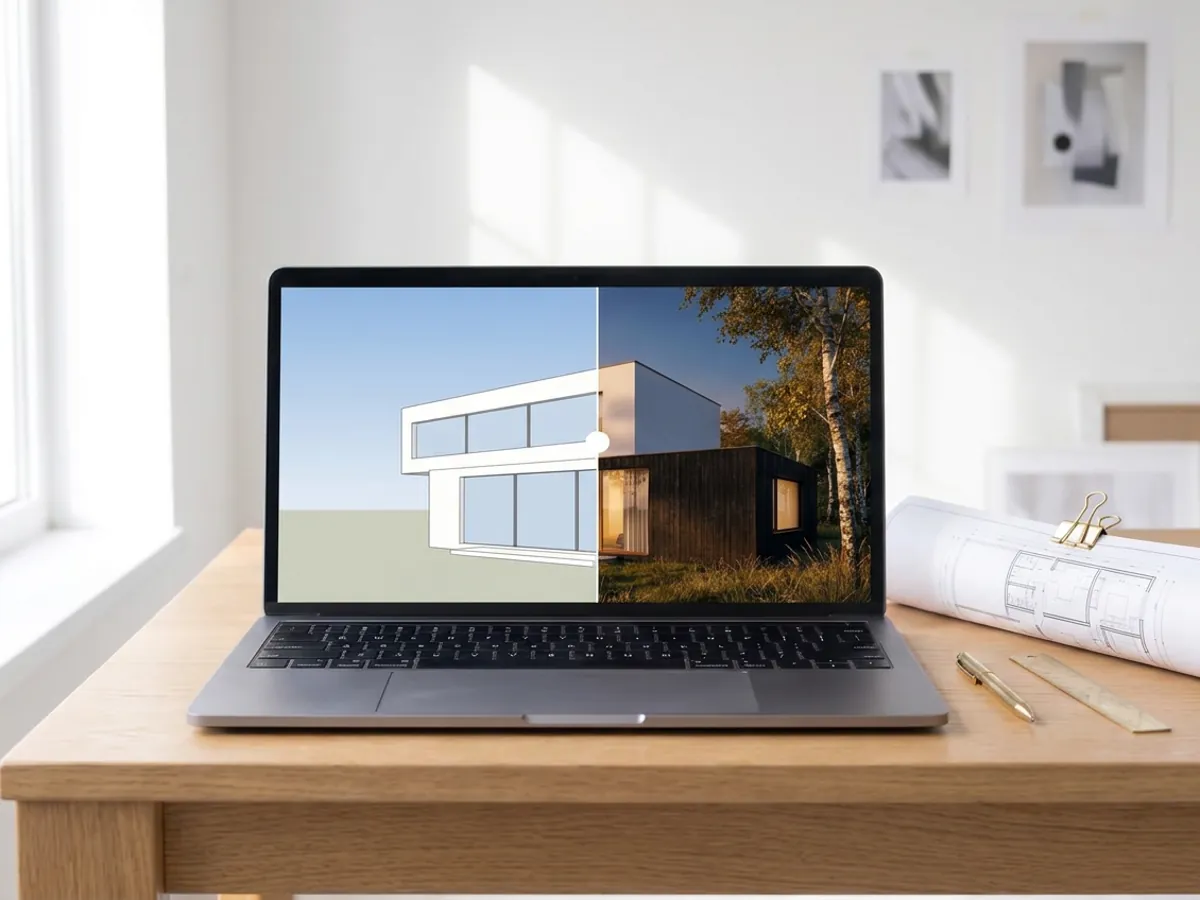
AI rendering
Turn a screenshot of your SketchUp, Revit or Rhino model into a photoreal render in about 20 seconds.
Make an AI render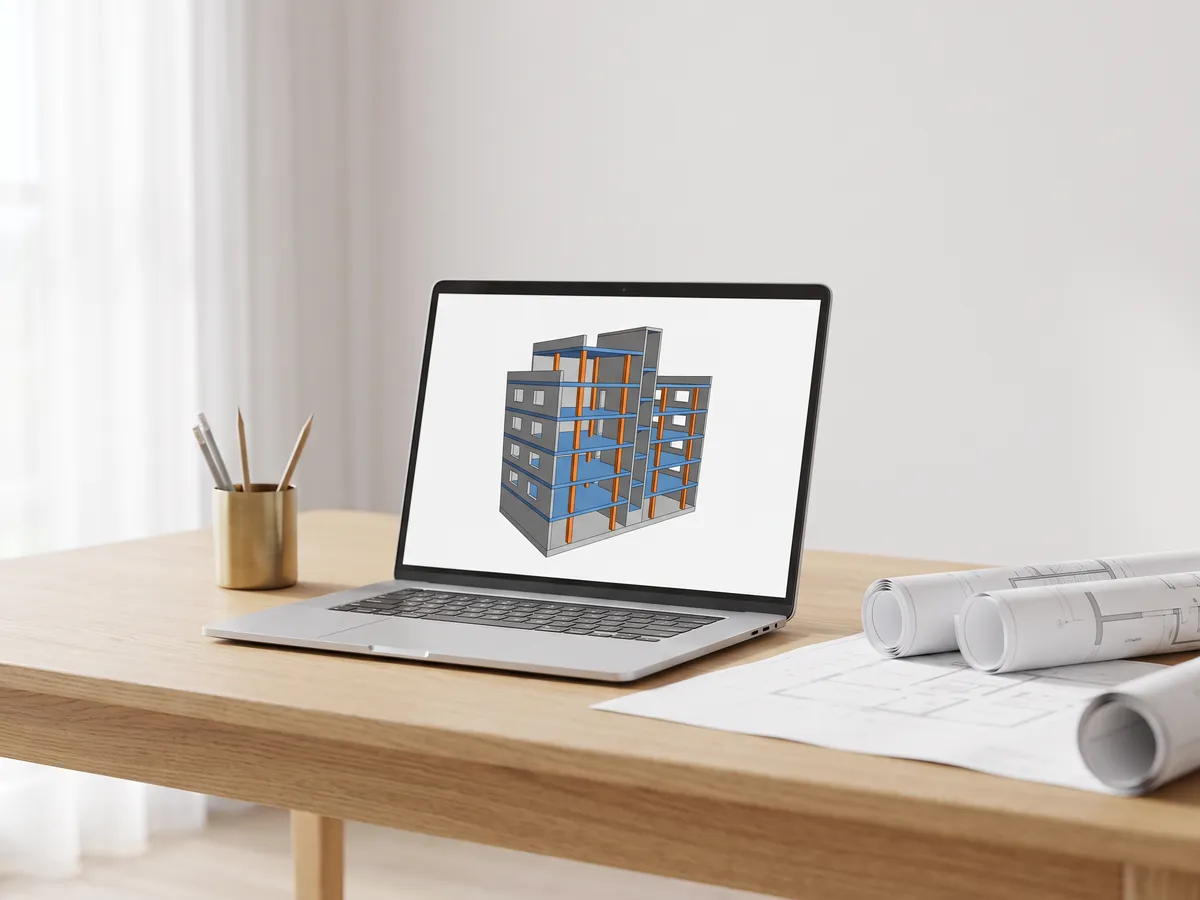
IFC viewer
Open IFC files from Revit, ArchiCAD and Tekla. Filter by element and level, check properties and measure.
Open the IFC viewer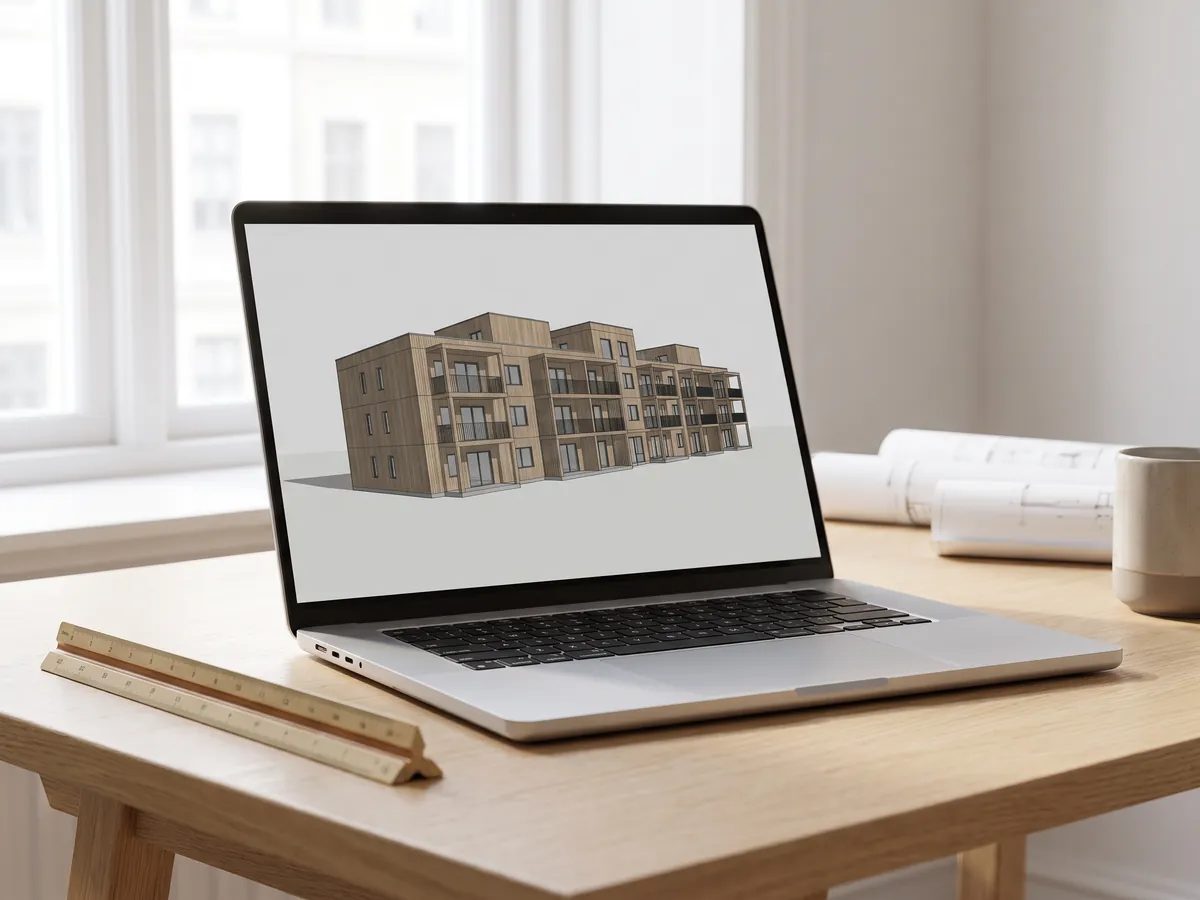
Revit viewer
Open .rvt files without Revit: converted to IFC by Autodesk, then viewed with levels and properties.
Open the Revit viewer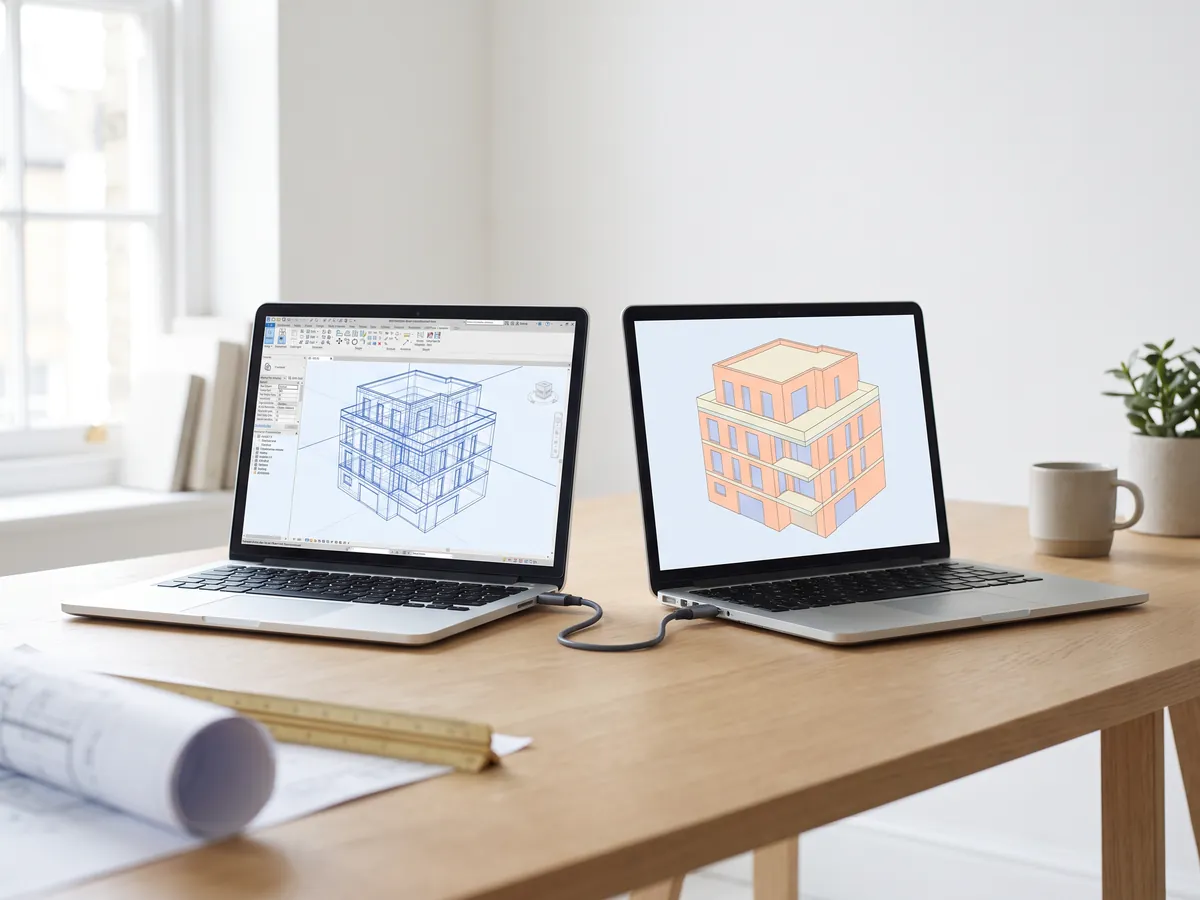
Revit to IFC converter
Convert RVT files to IFC 2x3 with levels and properties, using Autodesk's own conversion.
Convert Revit to IFC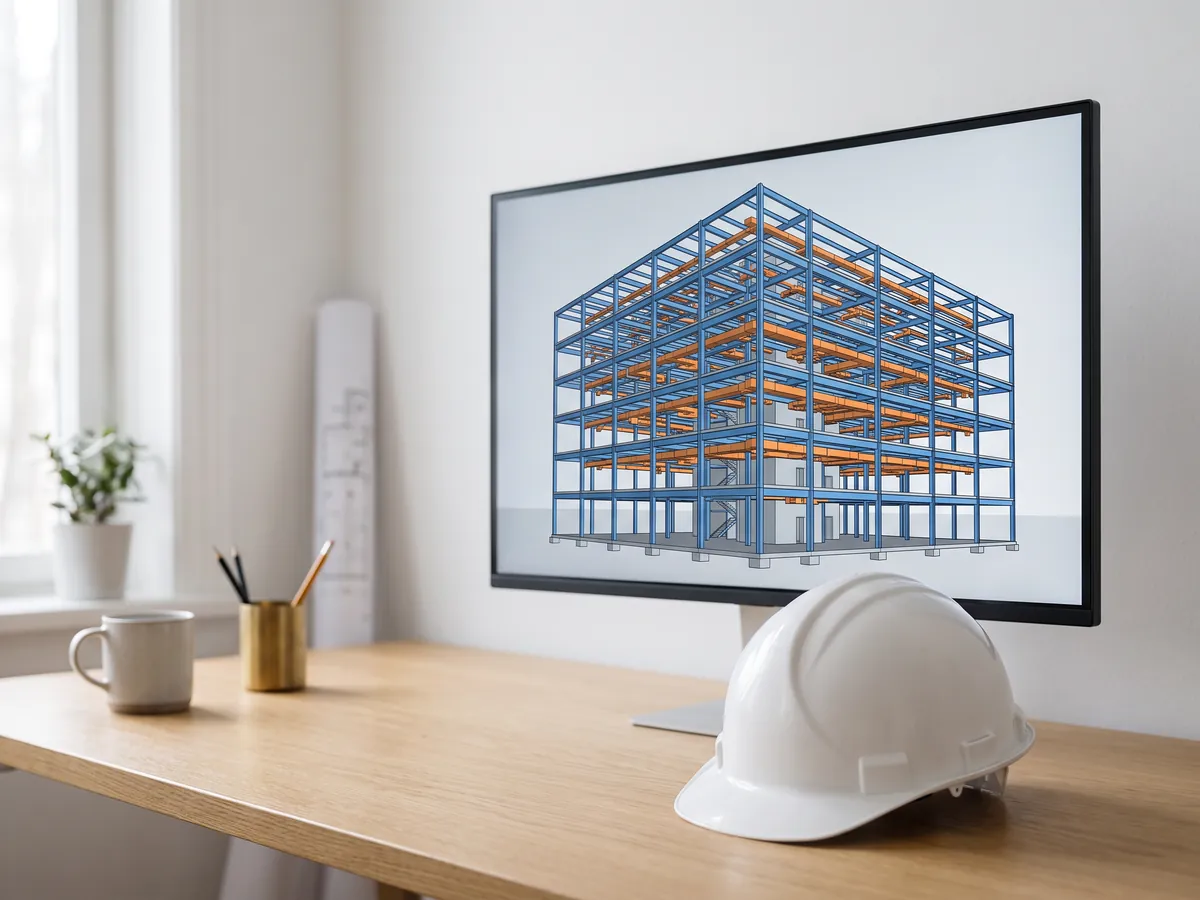
BIM viewer
Review BIM models from Revit, Archicad and Tekla without a licence: levels, properties, measuring.
Open the BIM viewer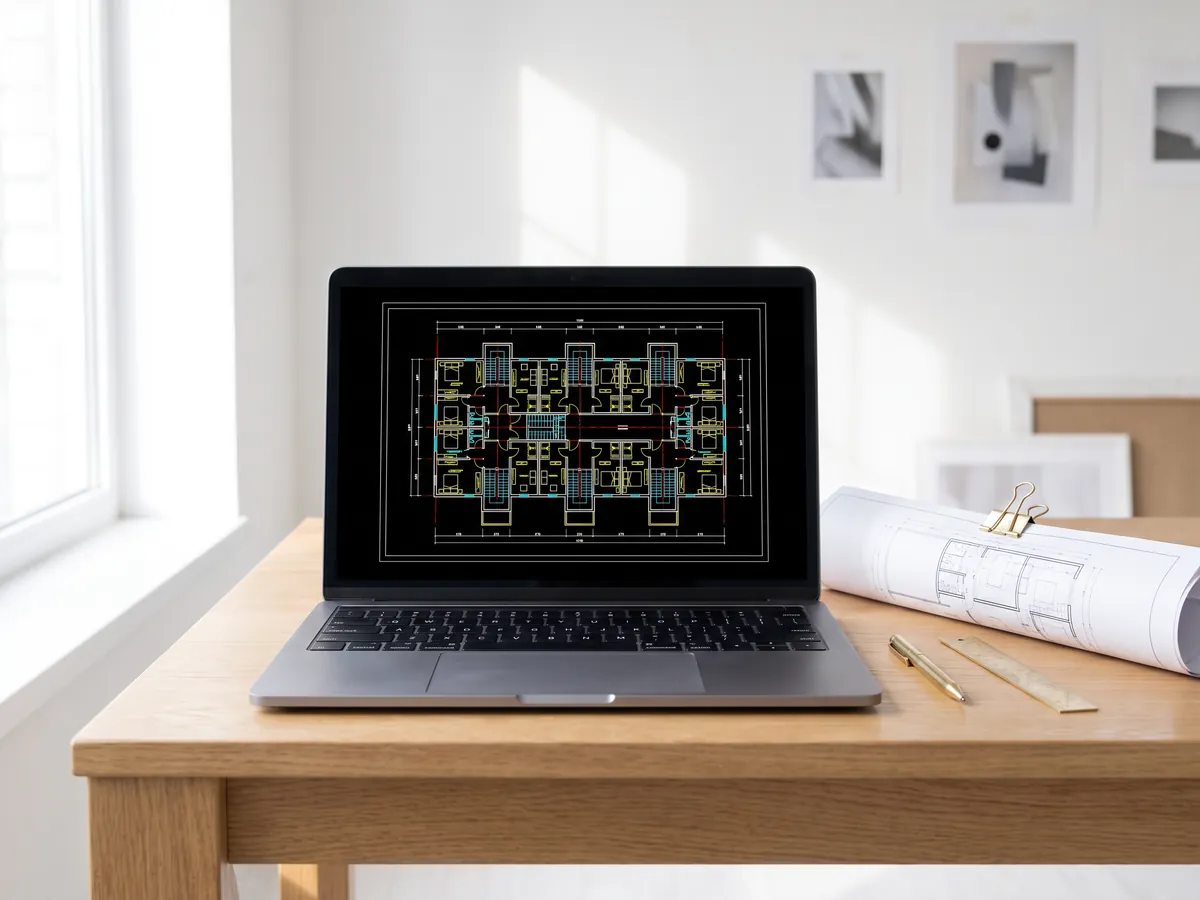
DWG viewer
Open AutoCAD DWG and DXF drawings online: every layout, layers on and off, zoom and pan.
Open the DWG viewer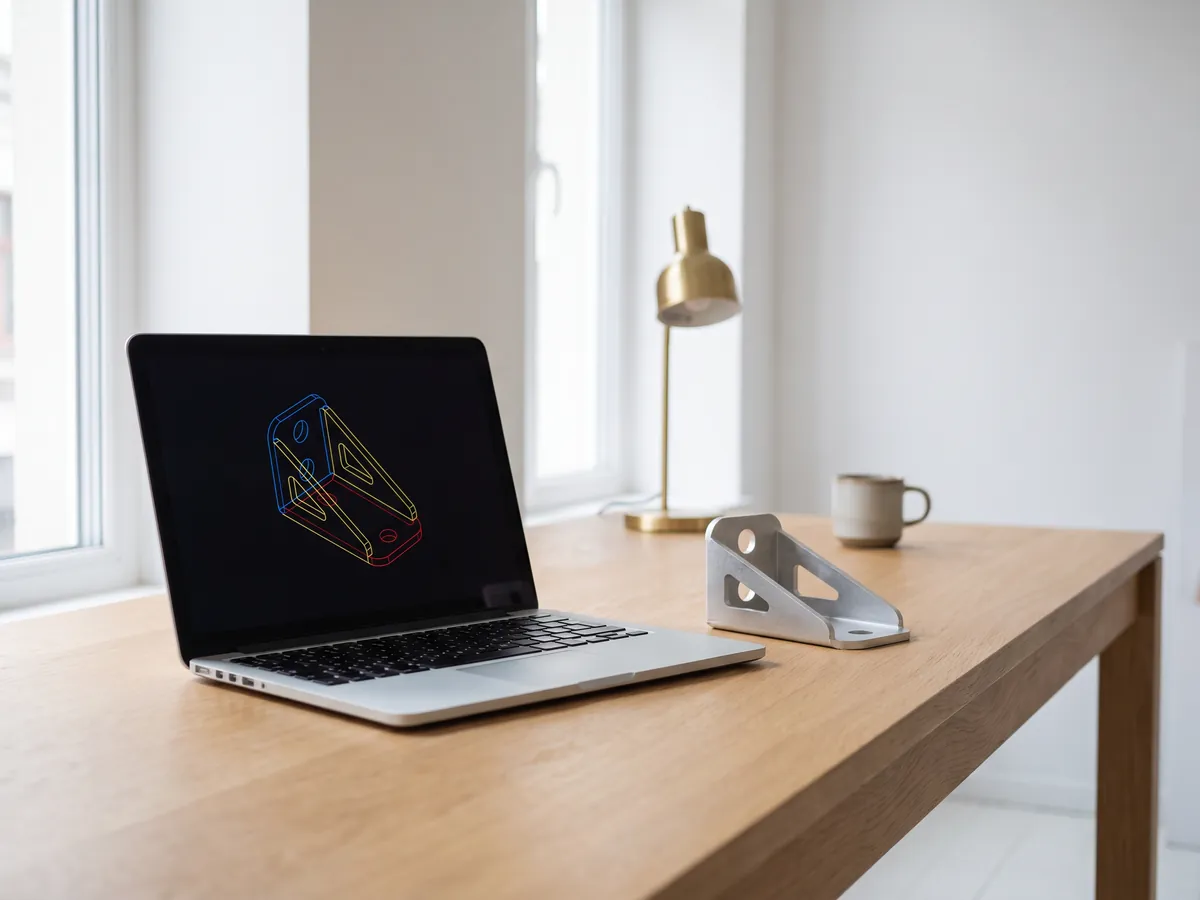
DXF viewer
Open DXF files online: every layout, layers on and off, zoom, then save as PDF or SVG.
Open the DXF viewer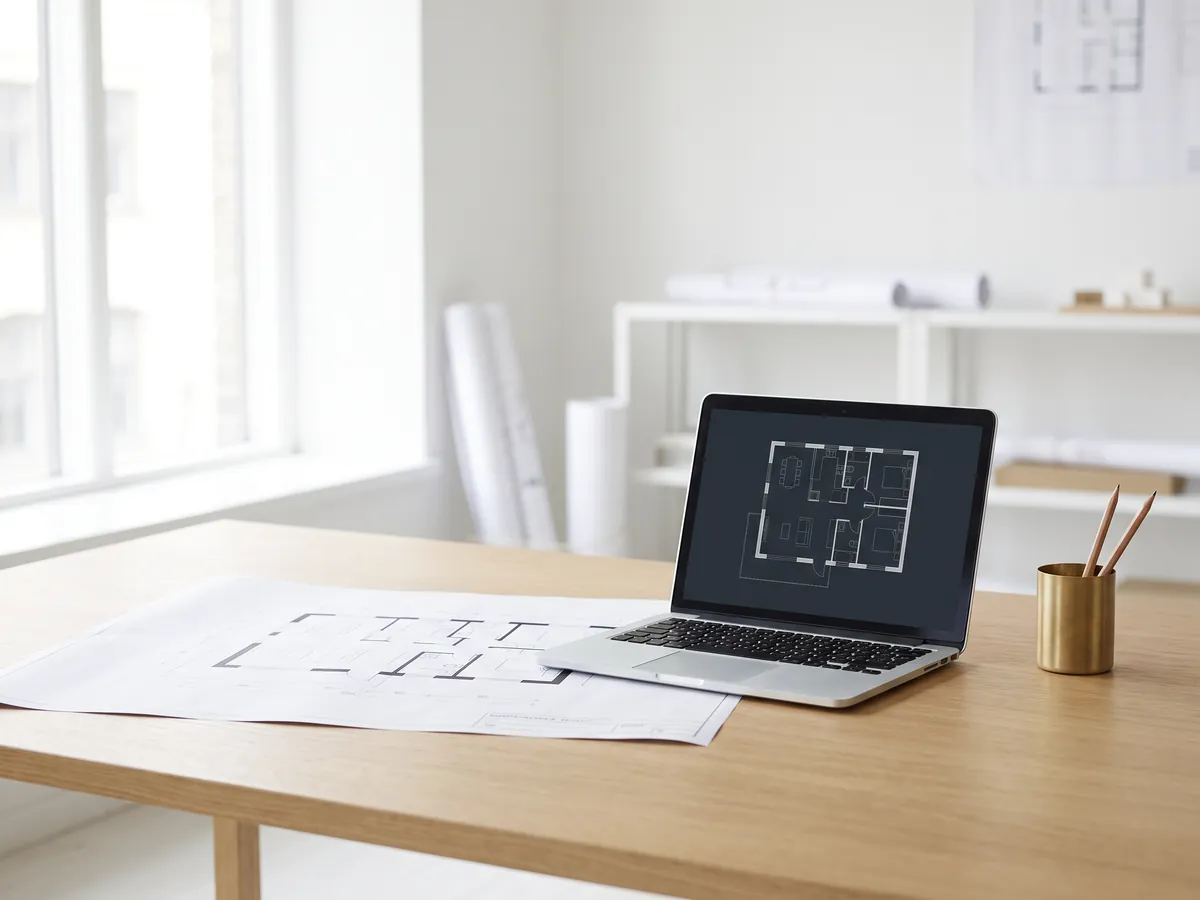
DWG to PDF
Plot AutoCAD drawings to PDF: layouts 1:1 with title blocks, line weights and hatches.
Open DWG to PDF
PDF to DWG
Turn PDF drawings into CAD lines for AutoCAD: lines, text and layers, at drawing scale.
Open PDF to DWG
SVG to DXF
Convert SVG to DXF for CAD, laser cutting and CNC: exact lines, layers, real size.
Open SVG to DXF
DXF converter
Open DXF drawings and save them as PDF or SVG, with layouts, line weights and hatches.
Open the DXF converter
Before and after slider
Make a before and after slider, video or image from two photos, for listings, Reels and your website.
Open the before and after maker
STEP viewer
Open STEP and IGES files from SolidWorks, Fusion 360 and Inventor. See every part and measure.
Open the STEP viewer
3D viewer
Open 18 kinds of 3D file online, from STEP and FBX to GLB and IFC, with parts and measuring.
Open the 3D viewer
GLB viewer
Open GLB and glTF files with their materials and textures, size and triangle count.
Open the GLB viewer
OBJ viewer
Open OBJ files with their MTL materials and textures, and save as STL, GLB or STEP.
Open the OBJ viewer
SolidWorks viewer
Open SolidWorks part files without SolidWorks, then save them as STL, STEP or GLB.
Open the SolidWorks viewer
STL viewer
View STL files for 3D printing with size, volume, weight and a watertight check.
Open the STL viewer
3D converter
Convert between STEP, OBJ, FBX, STL, glTF, PLY, IFC and more, in both directions.
Open the 3D converter
STEP to STL
Convert STEP and STP files from SolidWorks, Fusion 360 and Inventor to STL for 3D printing.
Open STEP to STL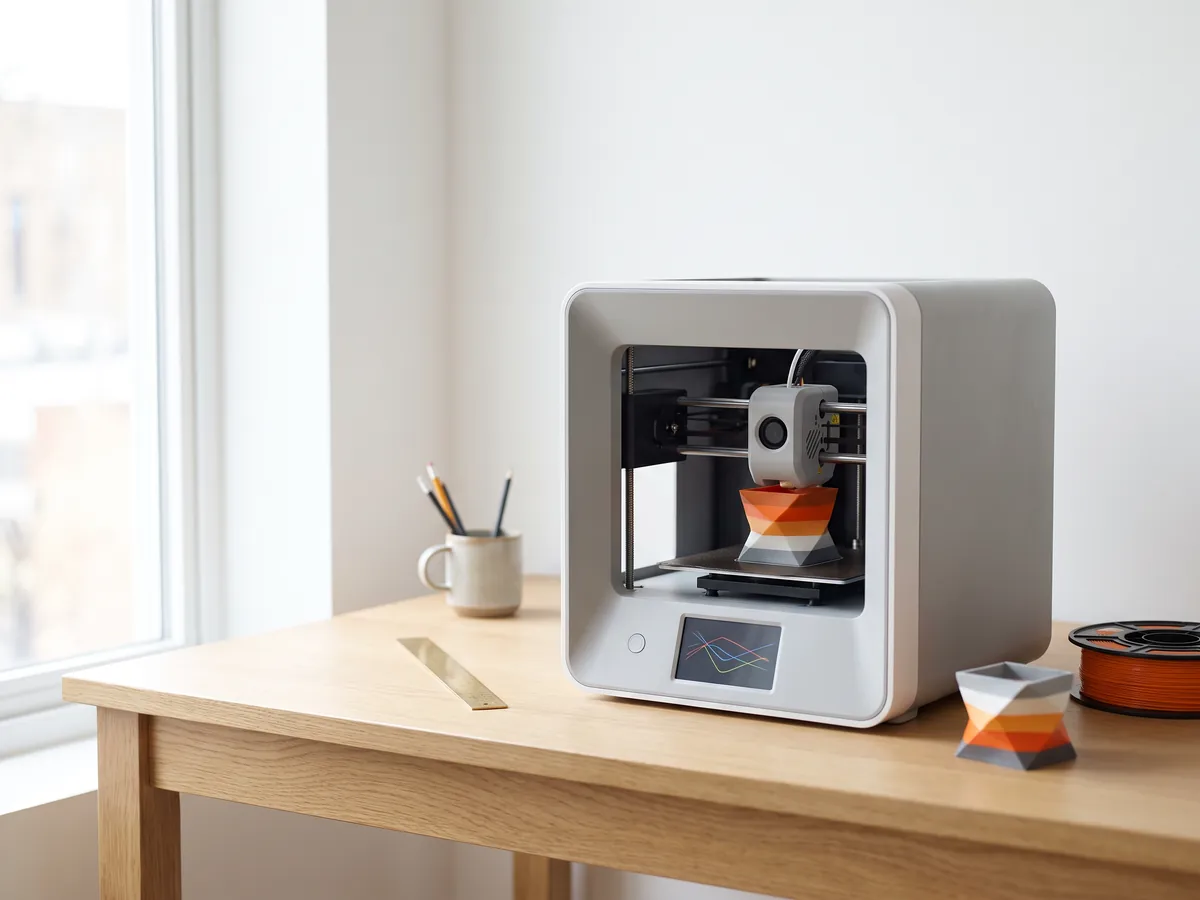
3MF to STL
Convert 3MF files from Bambu Studio and PrusaSlicer to STL, or STL to 3MF.
Open 3MF to STL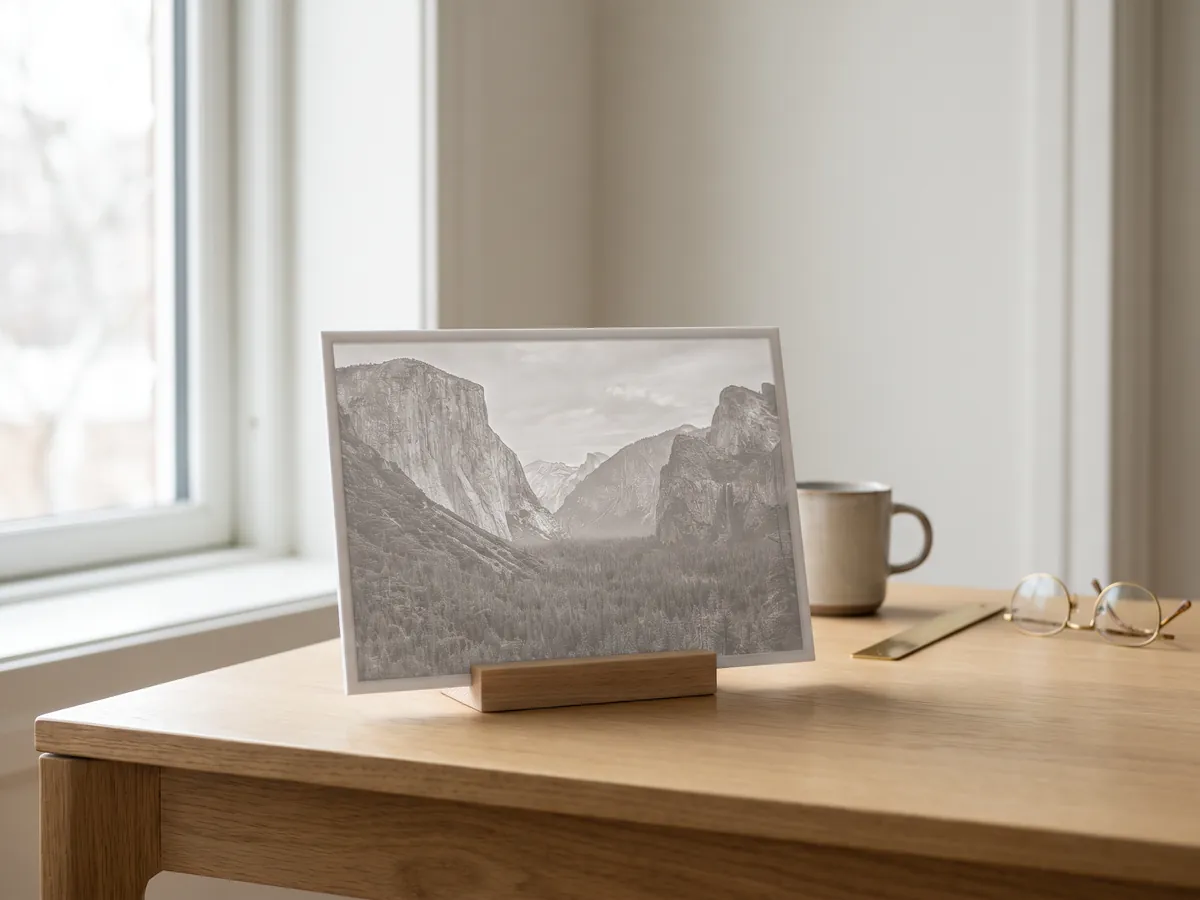
Image to STL
Turn PNG and JPG images into STL or OBJ reliefs and lithophanes for 3D printing.
Open image to STL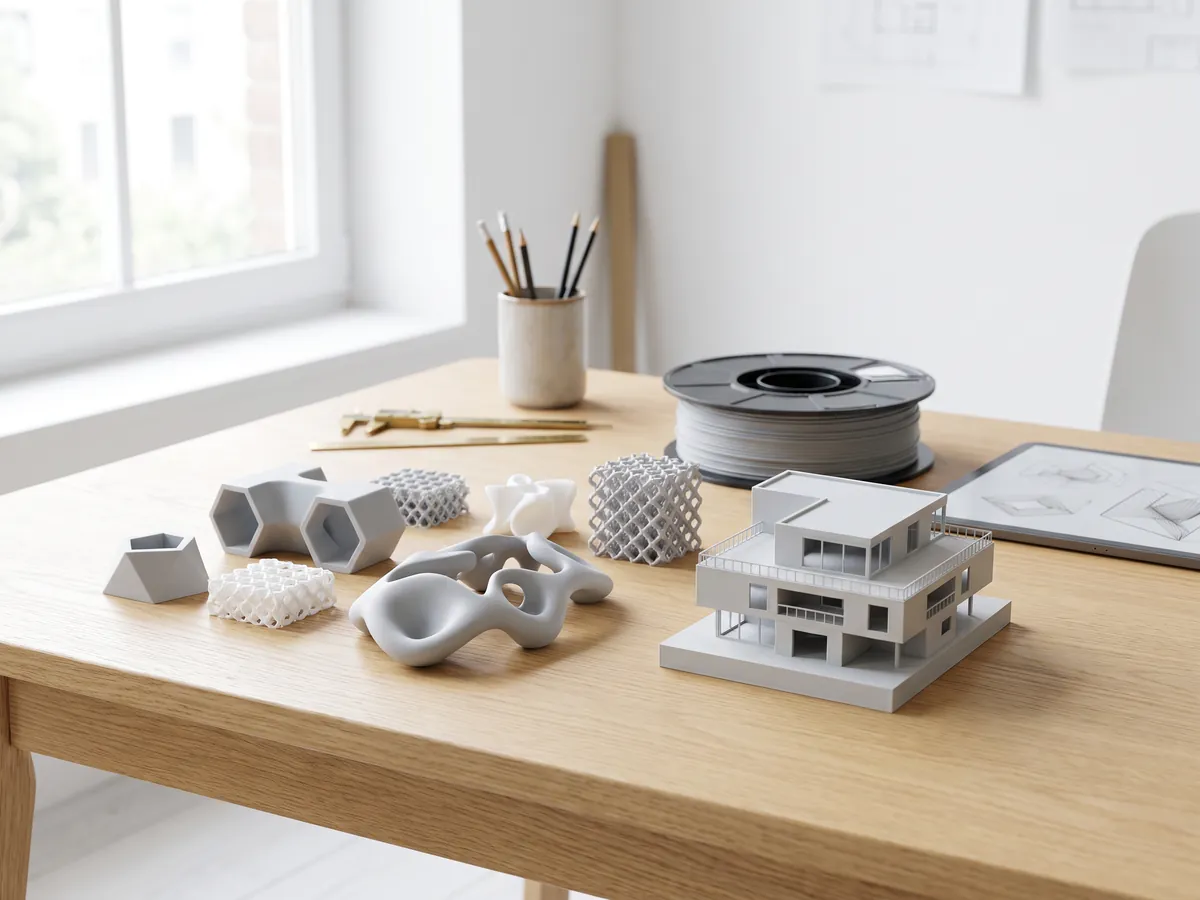
STL converter
Convert 3D files and images to STL for 3D printing, with a watertight check.
Open the STL converter
OBJ converter
Convert STL, FBX, STEP, glTF and 3DS to OBJ with materials, or OBJ to other formats.
Open the OBJ converter
FBX converter
Convert FBX files from 3ds Max, Maya and Blender to OBJ, GLB or STL.
Open the FBX converterPopular conversions: PNG to STL · OBJ to STL · GLB to STL · GLB to OBJ · STL to STEP · FBX to OBJ · STL to OBJ · FBX viewer · 3MF viewer · PLY viewer
Embed this tool
Put the free Normal map generator on your own site, course page or wiki. Paste this code where it should appear.
Cite this tool
For a thesis, paper or course material: APA style first, then BibTeX.
1,247
Projects completed
13
Years in business
17
Countries delivered to







★★★★★
Rated 4.9 on Clutch · See our reviews
Architects, developers & interior designers
Working for 215 companies since 2013
125 of 220 clients came back
More than half of our clients have hired us again
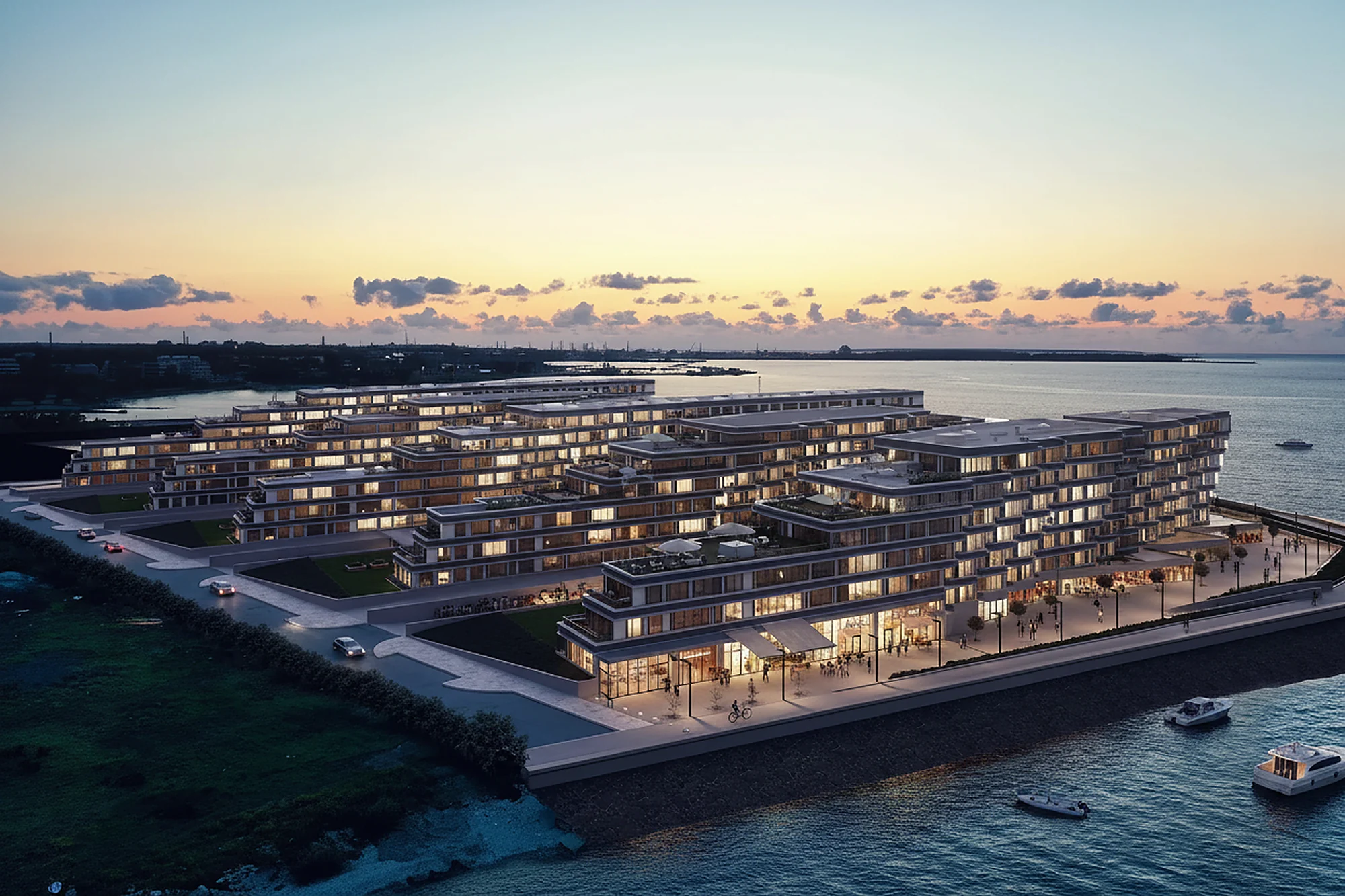
From texture to finished image
Send us the project and get the renders
Tell us what you need, product images, interiors or a whole building, and we reply within 30 minutes: a fixed price and a delivery date, or the 1-2 questions we need answered first.