

3D product renders
your buyers believe
3D product rendering services for furniture, fittings, building products and systems: photorealistic images built from your CAD file, a technical drawing or a physical sample, with a fixed quote in 30 minutes.
- Fixed price quote in 30 minutes, from a file, a drawing or a sample
- Every colour, finish and configuration rendered off one model
- 4K files for catalogues, e-commerce, print and spec sheets
We take a limited number of projects each month, so every product gets the same attention.
1,231
Projects completed
13
Years in business
17
Countries delivered to






★★★★★
Rated 4.9 on Clutch · See our reviews
Architects, developers & interior designers.
Working for 215 companies since 2013.
125 of 220 clients came back.
More than half of our clients have hired us again.
The short version
What is 3D product rendering?
Building a 3D model of your product and lighting it like a photograph, so the image is ready before a single unit exists or a photo shoot is booked.
The model is built once, at real dimensions, from your files or a sample you send. Every colour, finish and camera angle after that comes off the same model, which is why a second image costs a fraction of the first.
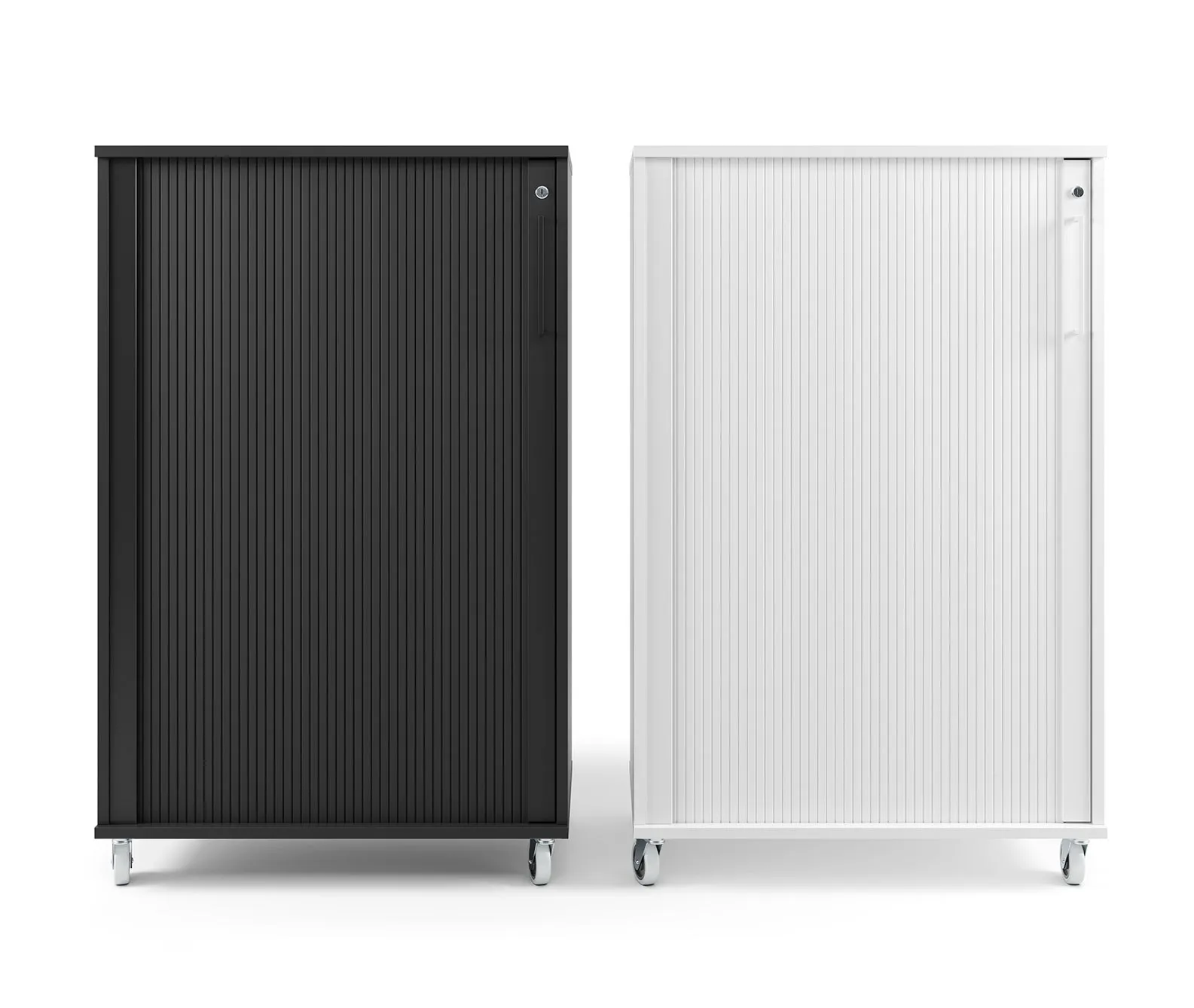
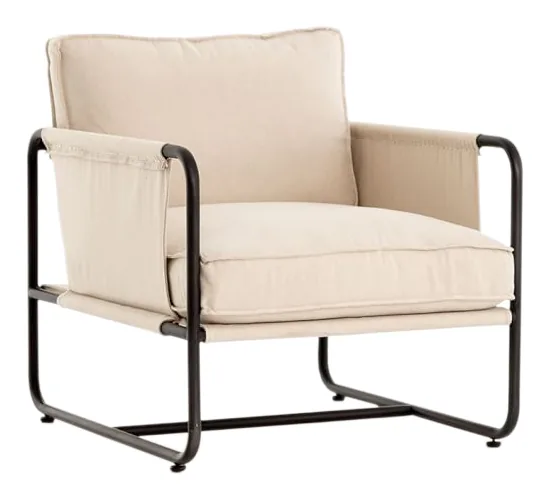
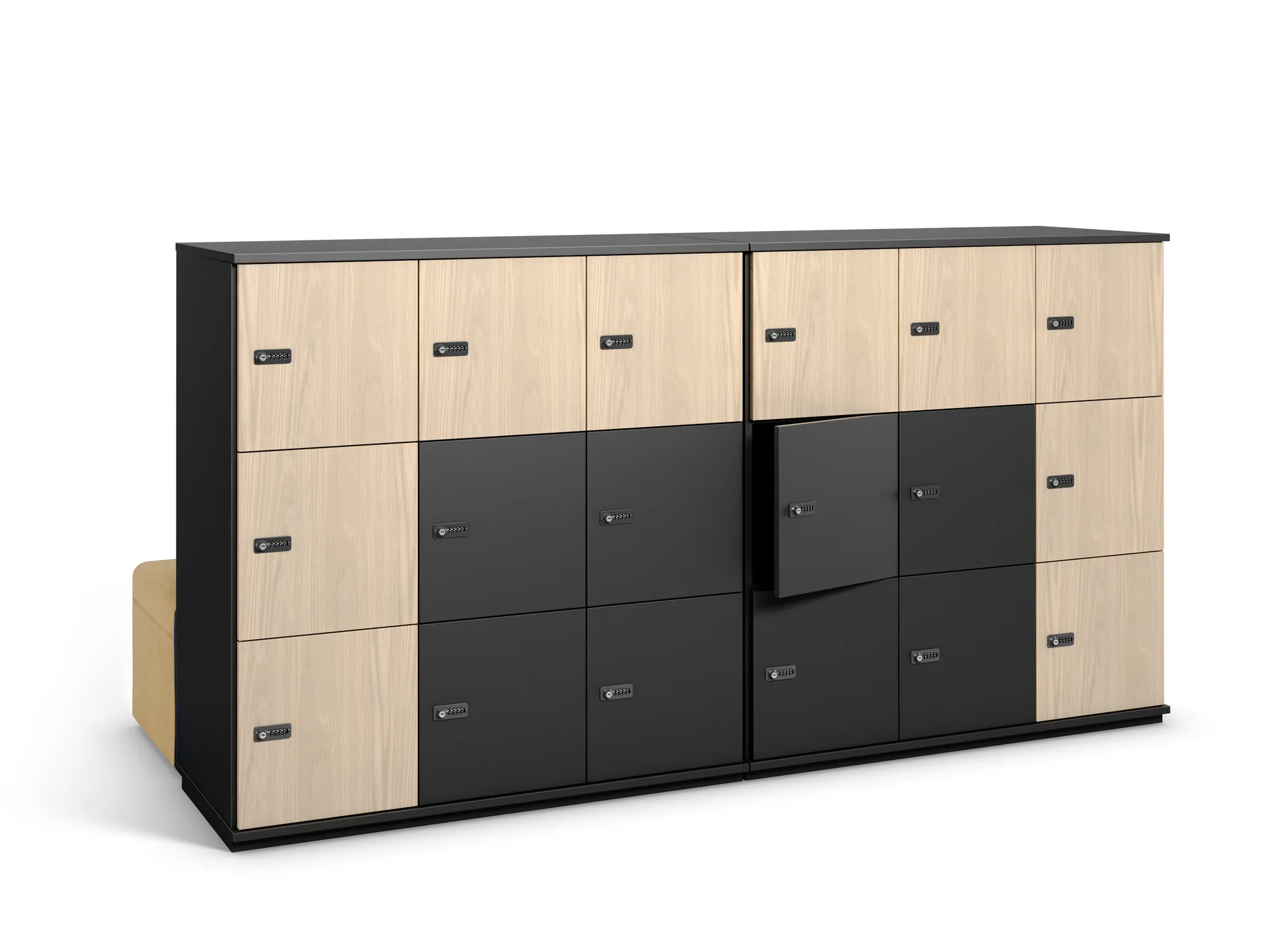
Product rendering covers furniture, fittings, building products and systems, mattresses and vehicle interiors: anything with a fixed, specifiable geometry a camera would otherwise have to be pointed at. A CAD file, a set of technical drawings or a physical sample is enough to start, and the model built from it is reused for every image that follows the first.
What a render does that a photograph cannot is exist before manufacturing does. A product still in prototype, a finish not yet in production or a configuration nobody has physically built can be shown at full quality, on the schedule a launch date sets rather than the one a factory sets.
How it differs from product photography
A photograph needs a finished unit, a studio and a photographer in the same room, on the same day. A render needs a file or a sample, and the same model then covers every colour, finish and angle the range needs, without booking the room twice.
Furniture, fittings and building products
The same craft covers a chair, a door hinge, a wall system or a mattress: each is modelled from its real dimensions and rendered with the materials it actually ships in. A vehicle or cabin interior is treated the same way, as a fixed, measurable space rather than a building.
Where the model goes next
The same model that renders a catalogue image can be handed on: to print, to a configurator or an AR viewer another team builds, or to 3D modeling for a version built to a different spec. Tell us what it needs to plug into and we confirm what we deliver before the quote is fixed.
Choosing an output? Start with rendering services, see what makes a render hold up, or what moves the cost.
What the render is for
Three jobs a product render does that a photo shoot can't
01
Before the first unit is built
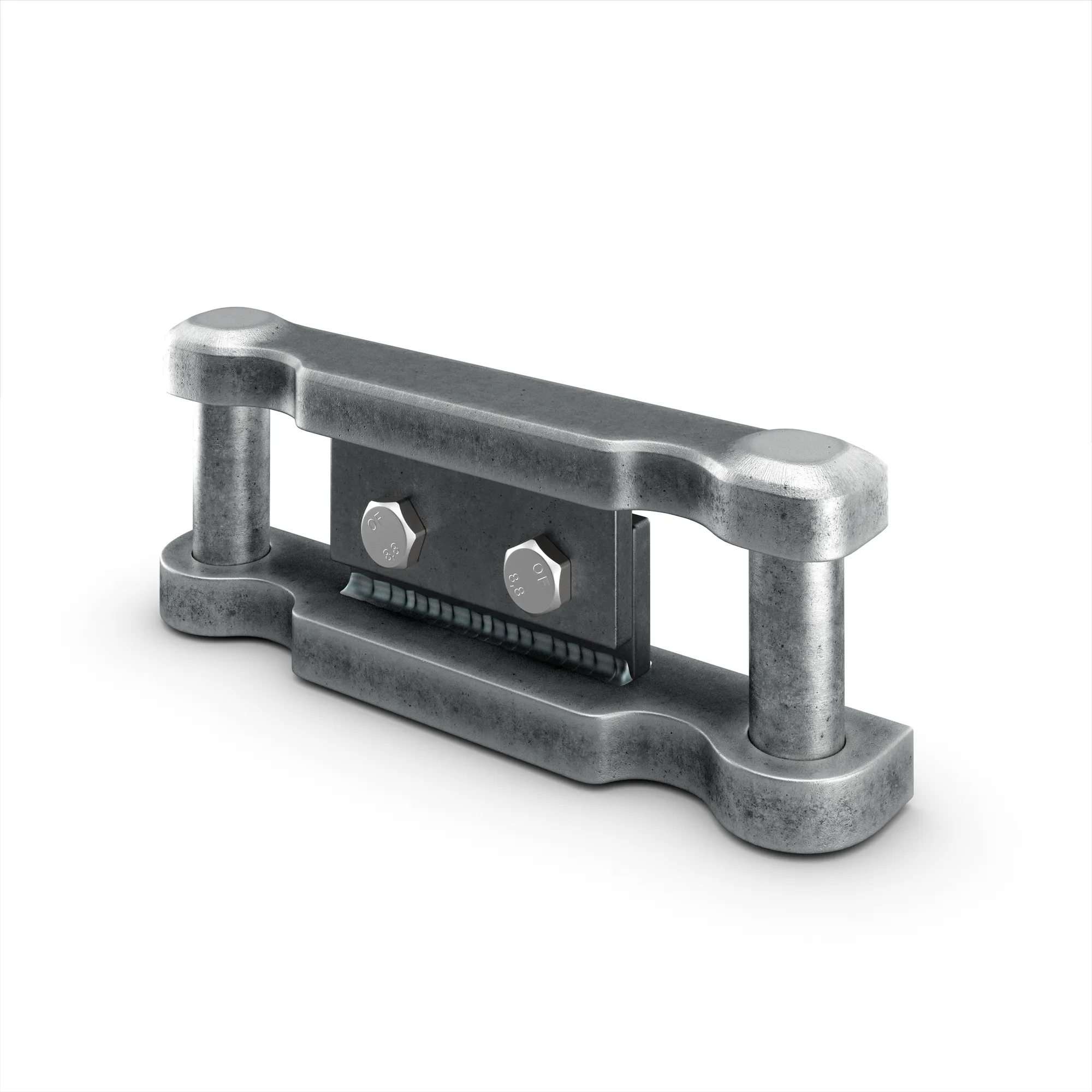
A prototype, a sample finish or a product still on the drawing board can be shown at full quality months before a factory could deliver a unit to photograph. Launch marketing, a trade-show board or a funding pitch can run on schedule instead of waiting on production.
The model is built from the same file that goes to manufacturing, so the render and the physical part start from the same dimensions.
02
Every colour and finish, without a reshoot
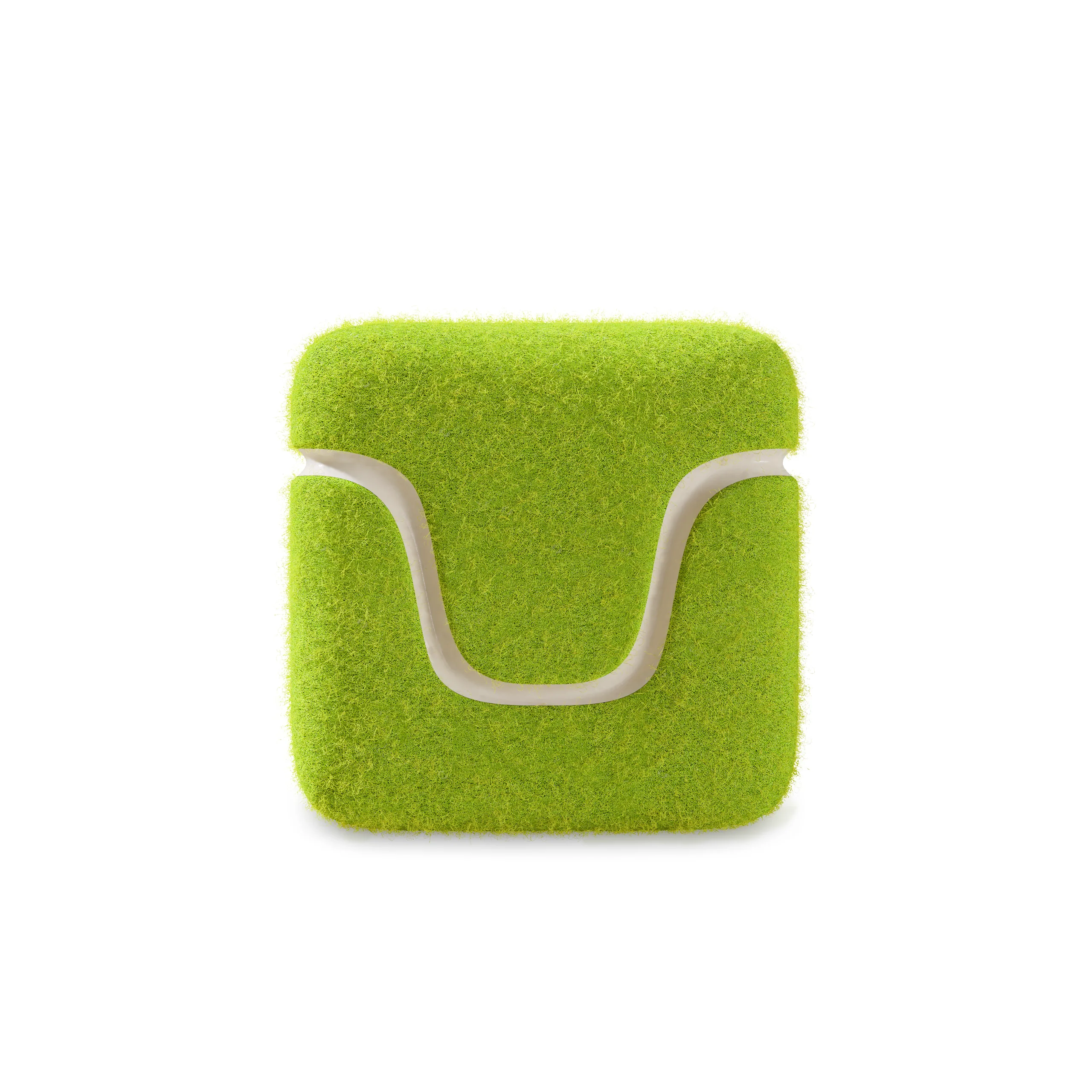
A range that ships in six colourways used to mean six studio bookings, or one and a lot of retouching. Rendered, each finish is a material swap on a model that already exists, so the whole range can be shown the day the last colour is decided.
A finish that gets discontinued, or one that gets added after launch, is the same small job: the model does not change, only the surface on it.
3D product rendering services
3D product rendering services, by output
The model is built once; these are the outputs it is rendered into most often.
Catalogue and white-background renders
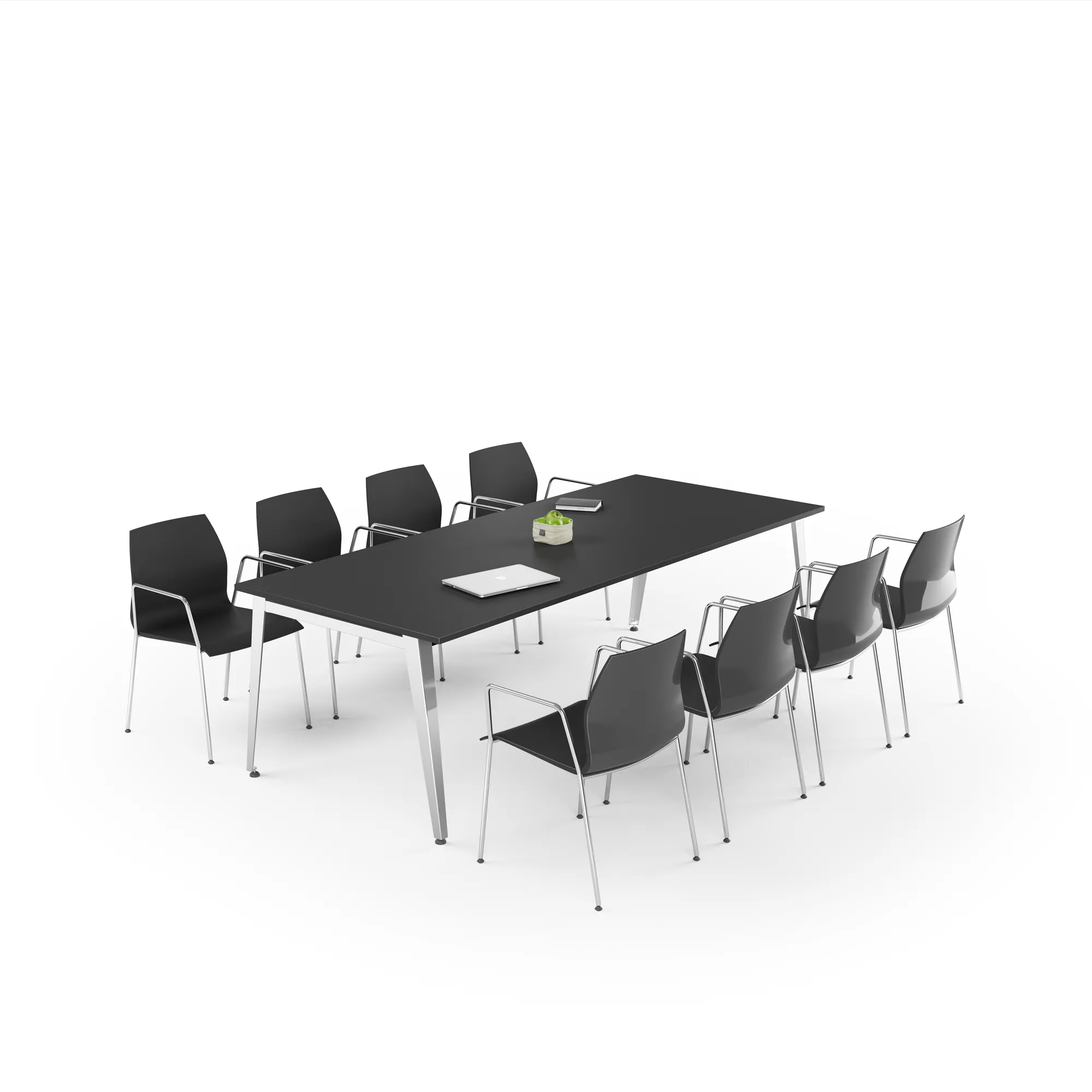
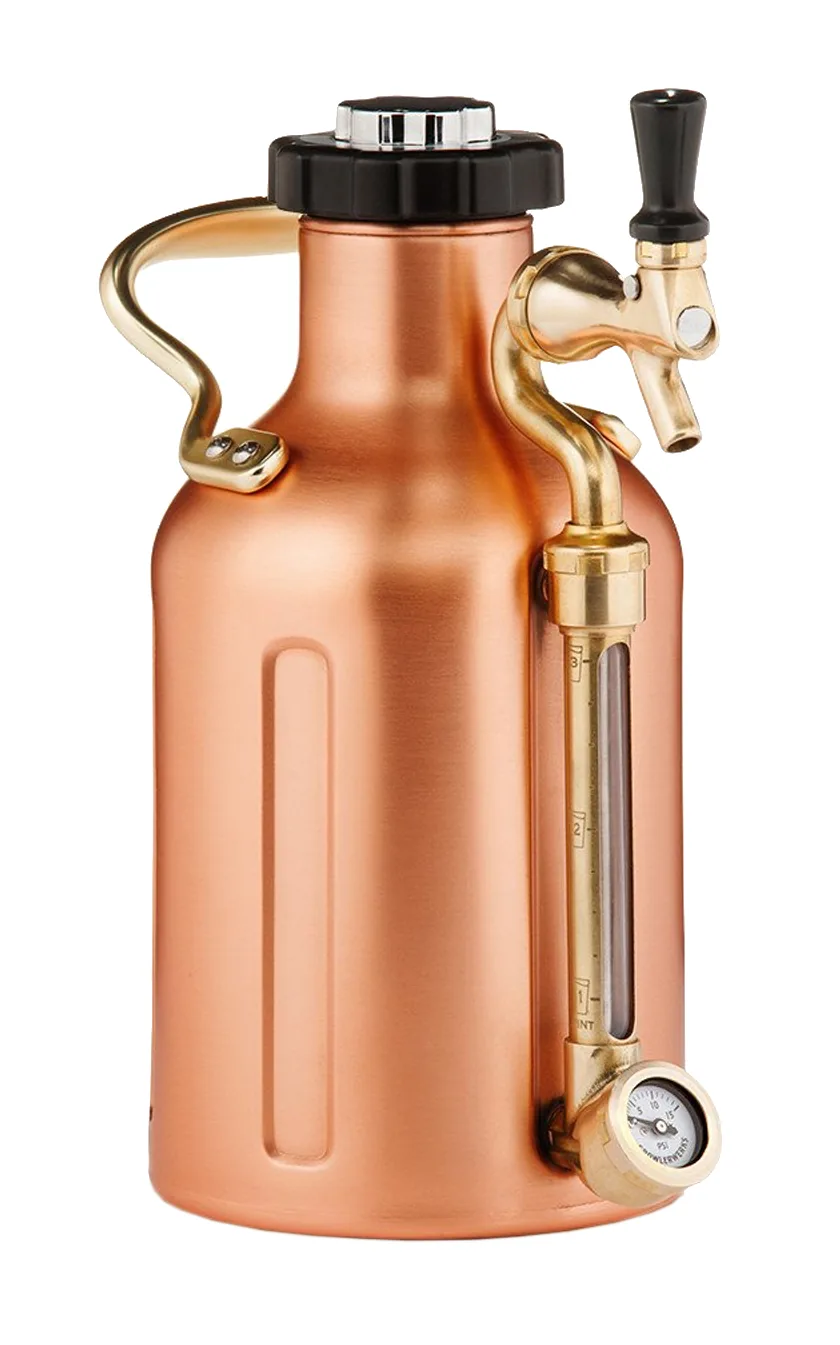
The standard packshot: one product, isolated, lit evenly from every side so it sits cleanly on a catalogue page or a product listing without a background to remove.
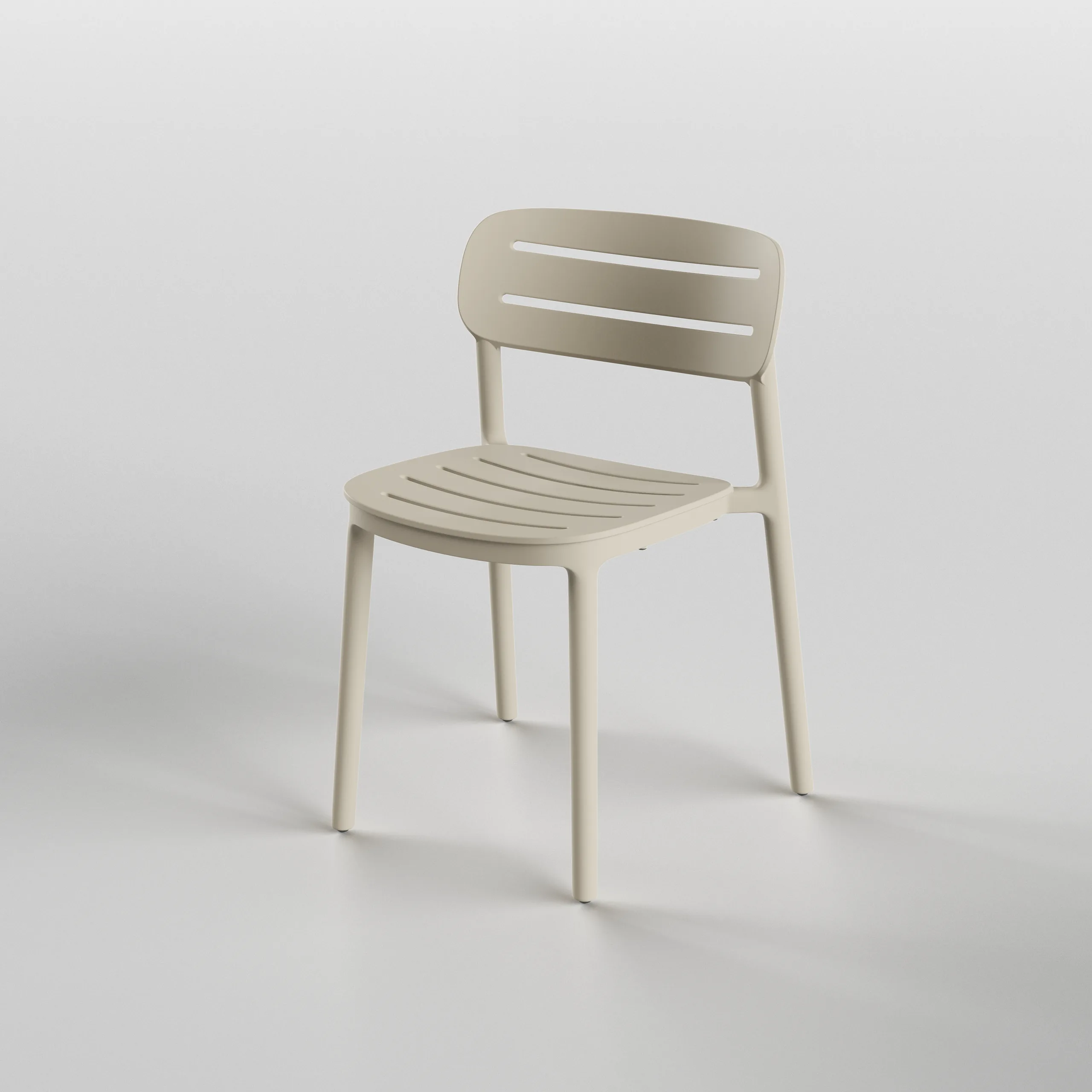
Single-item studio renders
One piece, shot from the angle that sells it, styled and lit like a studio photograph. The default for a product page hero image or a single new SKU added to an existing range.
Where the renders get used
Catalogues, listings, print and beyond
The model is built once; where the image ends up changes only the crop and the file format.
Catalogues and lookbooks
Consistent packshots and styled scenes for a printed or PDF catalogue, built from the same models across a whole range.
E-commerce and marketplace listings
Hero images, alternate angles and colour swatches sized for a product page or a marketplace listing template.
Print and spec sheets
High-resolution crops for a data sheet, a trade-show board or a print ad, pulled from the same render at a larger size.
Configurator and AR-ready models
The model delivered in a format ready for a configurator or an AR viewer another team builds. We do not build the interactive tool itself.
Why product briefs come here
A studio that treats a product file like a building model
Overnight turns across time zones
Files sent at the end of your day are a fixed quote or a revised render on your desk at the start of the next. Nordic clients share our hours, and clients in North America get the overnight turn.
NDA before the first file
An unreleased product, a design still in prototype or a range not yet priced should not turn up online. NDA is standard without being asked, and nothing goes into our portfolio unless you say so.

The person building the model reads your spec
A note about a seam, a hinge or a stitch line goes to the person building it, not to an account manager relaying it. That matters when the note is the difference between right and close enough.
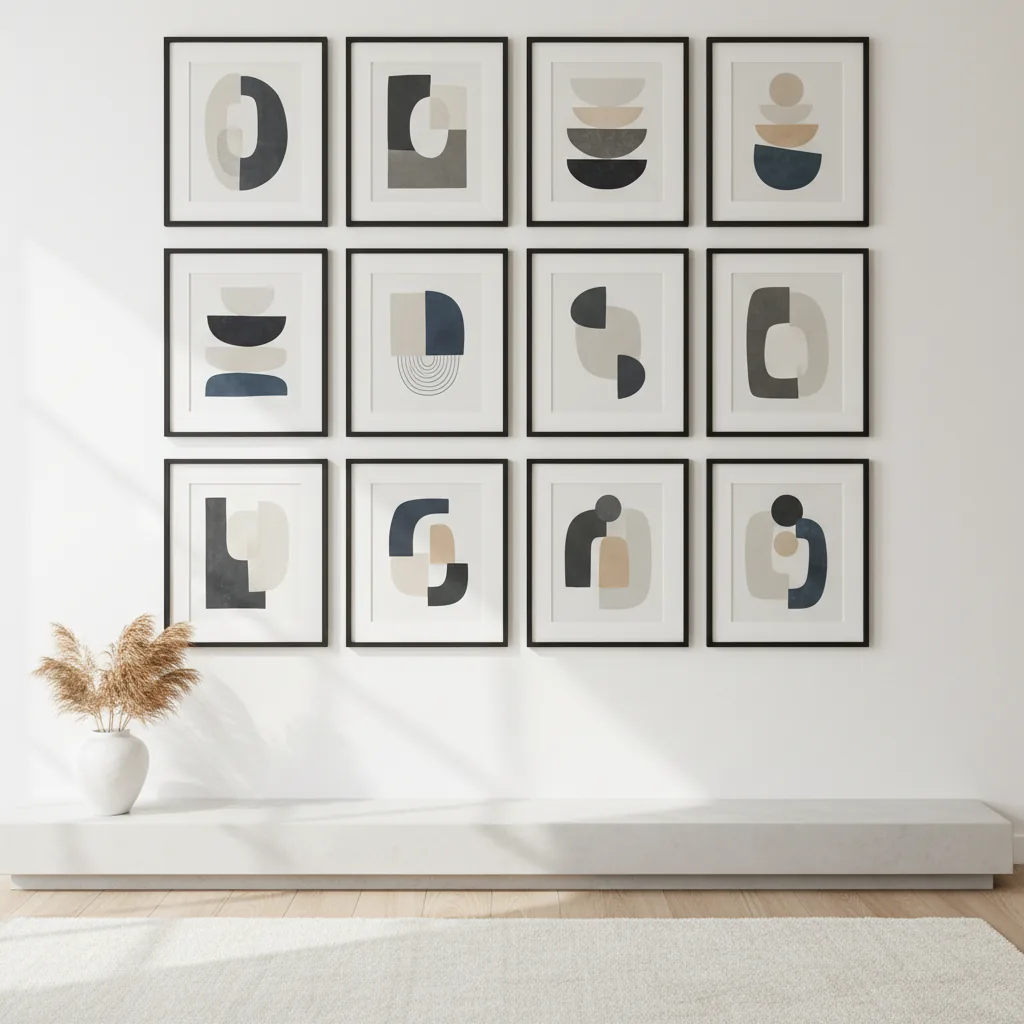
A range that matches itself
Every item in a range is lit, angled and finished the same way, so a catalogue built over several orders still reads as one shoot rather than three.
Where product renders go wrong
What makes a product render hold up next to a photograph
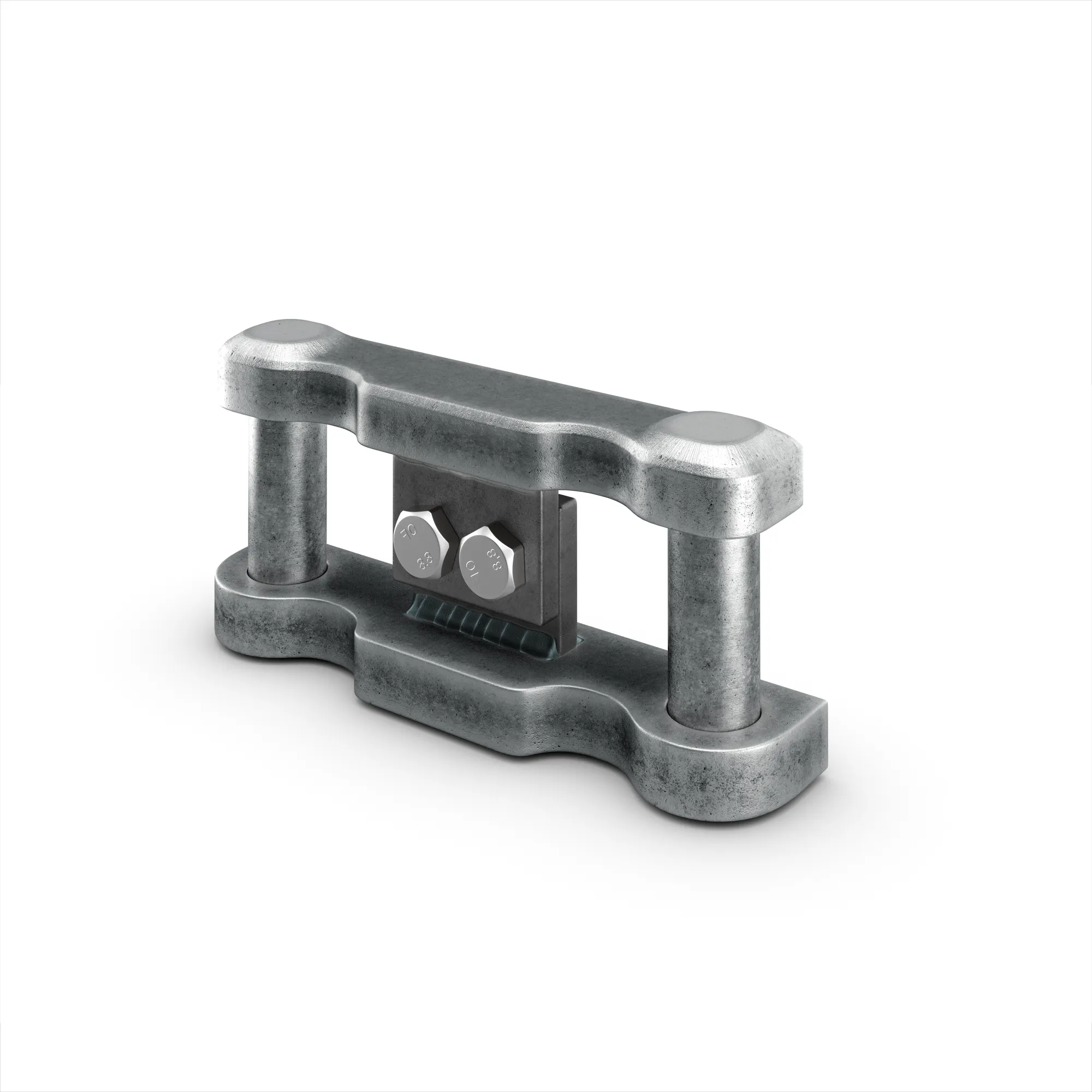
Geometry that matches the real part
A rounded edge rendered sharp, or a seam in the wrong place, is obvious to anyone who has held the actual product. The model is built to the tolerances in your file, not approximated by eye, so it can be checked against the spec sheet it came from.
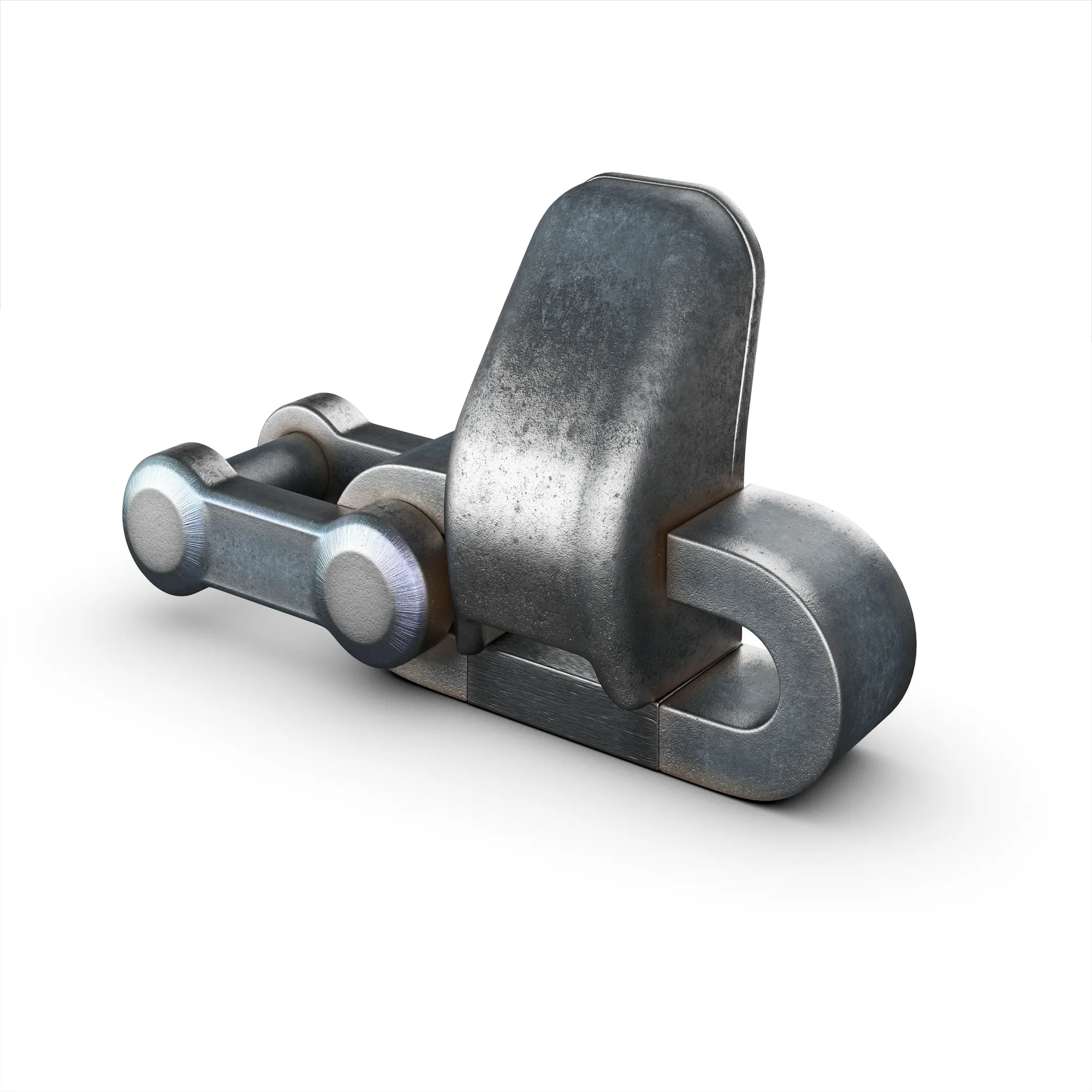
Materials that read correctly up close
Brushed metal, moulded plastic and woven fabric all scatter light differently, and a catalogue image gets zoomed into. Materials are matched to a swatch or a sample rather than a generic preset, so the surface holds up at full size, not just as a thumbnail.
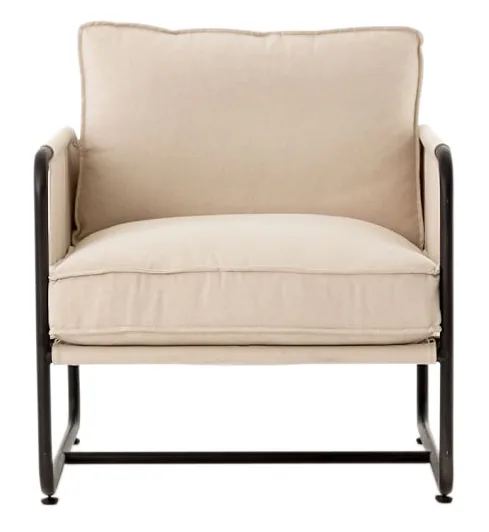
Light that matches the use case
A packshot wants even, shadowless light; a lifestyle scene wants light that behaves like a room. Using one lighting setup for both is the fastest way to make a render look synthetic, so the two are lit differently on purpose.
Resolution
4K as standard, larger crops for print on request
Materials
Matched to a spec sheet, a swatch or a physical sample
Revisions
Two rounds included, refined until sign-off
Source files
CAD · STEP · OBJ · SketchUp · a photographed sample
Formats we render
Packshots, lifestyle scenes and technical views
The model does not change between formats; the camera, the light and the crop do.
Packshot and white background
One product isolated on a seamless background, lit evenly from every side for a catalogue or a marketplace listing.
Lifestyle and context scenes
The same product placed in a room, a landscape or beside other pieces, lit the way a stylist would light the photograph.
360° and turntable views
A full rotation rendered as a frame sequence or a short loop, so a shopper can turn the product on screen.
Cutaway and exploded views
Layers or components pulled apart along one axis so a build-up or an assembly can be read at a glance, the same treatment 3D animation gives it in motion.
How a project runs
From file to finished render
Fixed price first, then the model is agreed as untextured geometry before any material or light goes on. Every change that is cheap to make is made before the render starts.
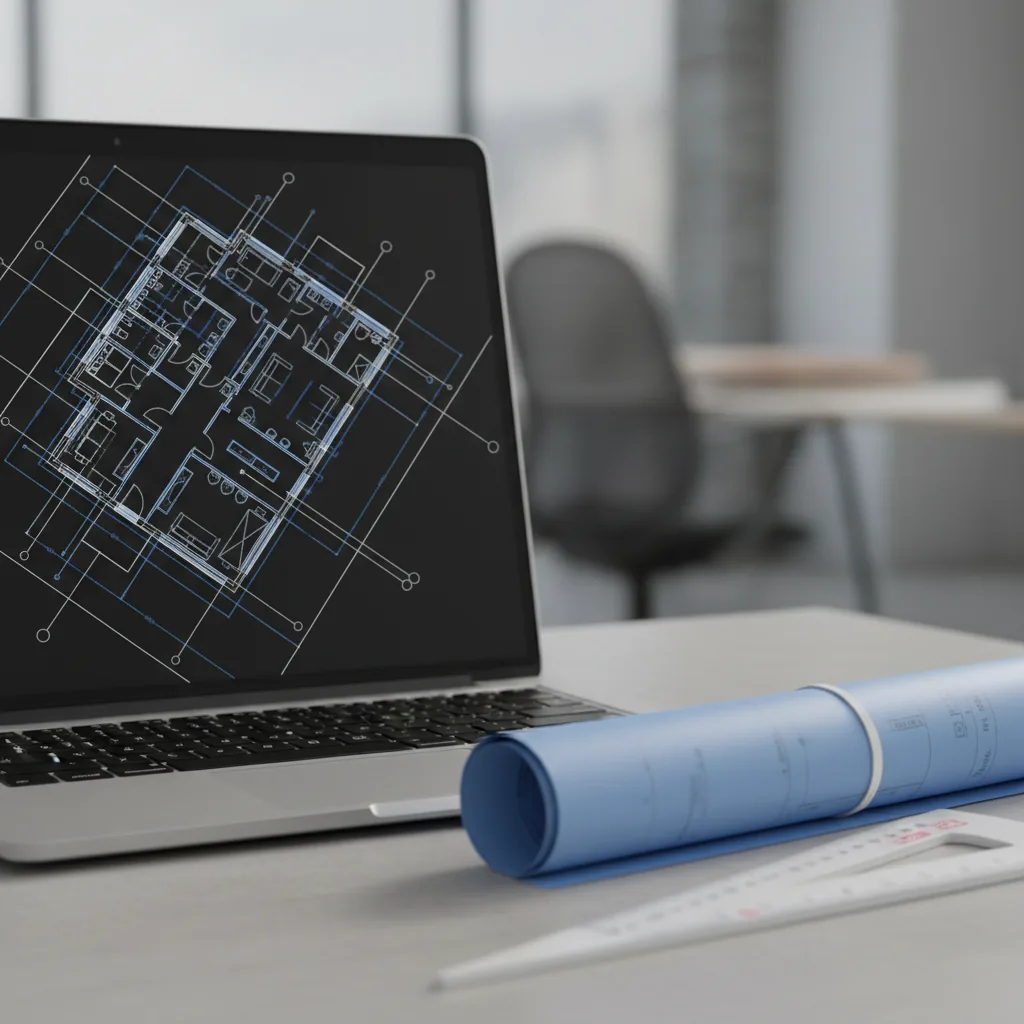
Brief
Brief and fixed quote
Send CAD, STEP, OBJ, a SketchUp file or a photographed sample. We build the brief from what you send, so there is no questionnaire, and reply with one fixed price and a delivery date within 30 minutes.
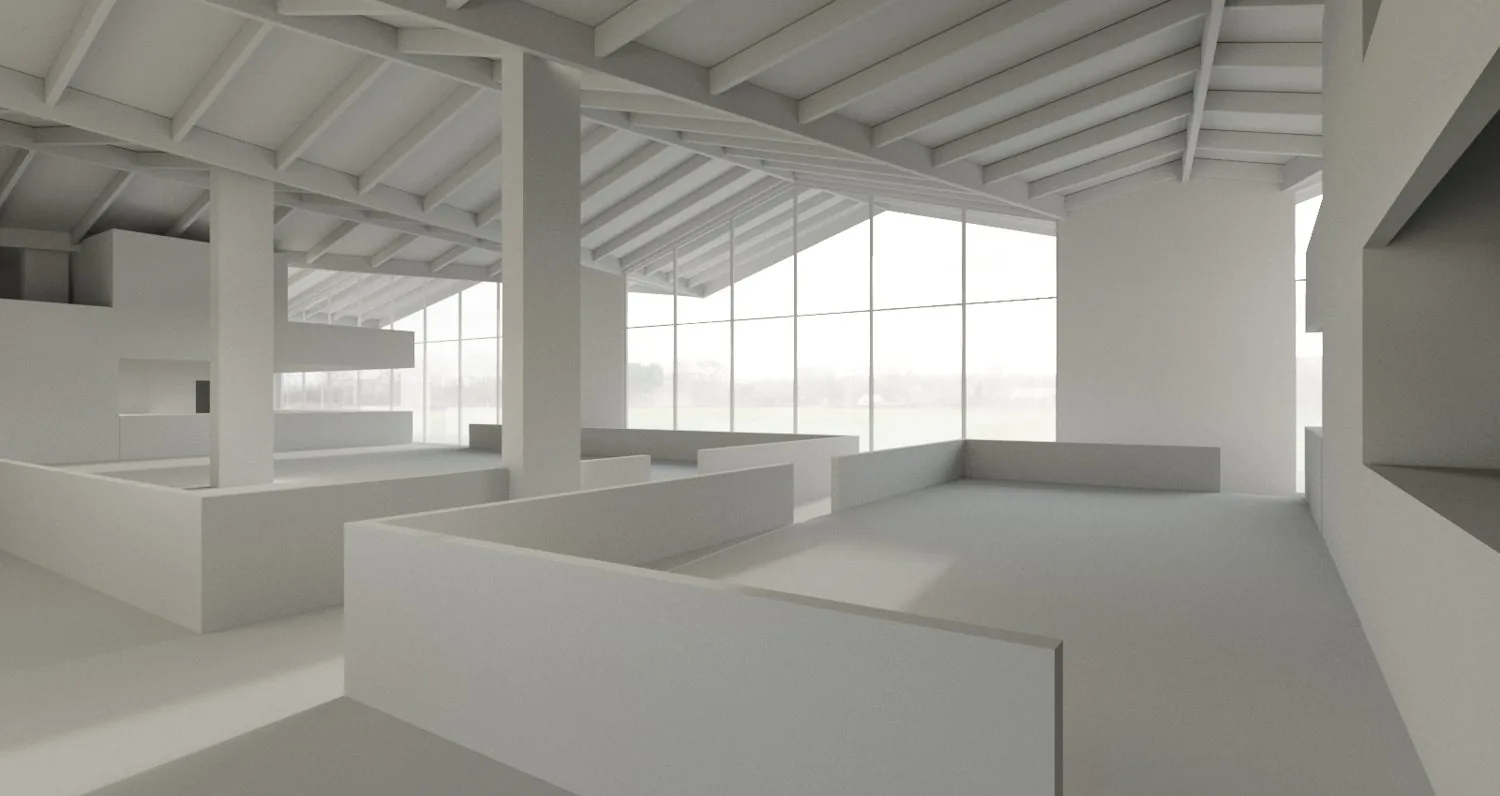
Days 1-3
The model, untextured
The product goes up as clean geometry at real dimensions, and the camera angle is agreed on it. Proportions, seams and moving parts are checked here, which is the cheapest point in the project to correct any of them.
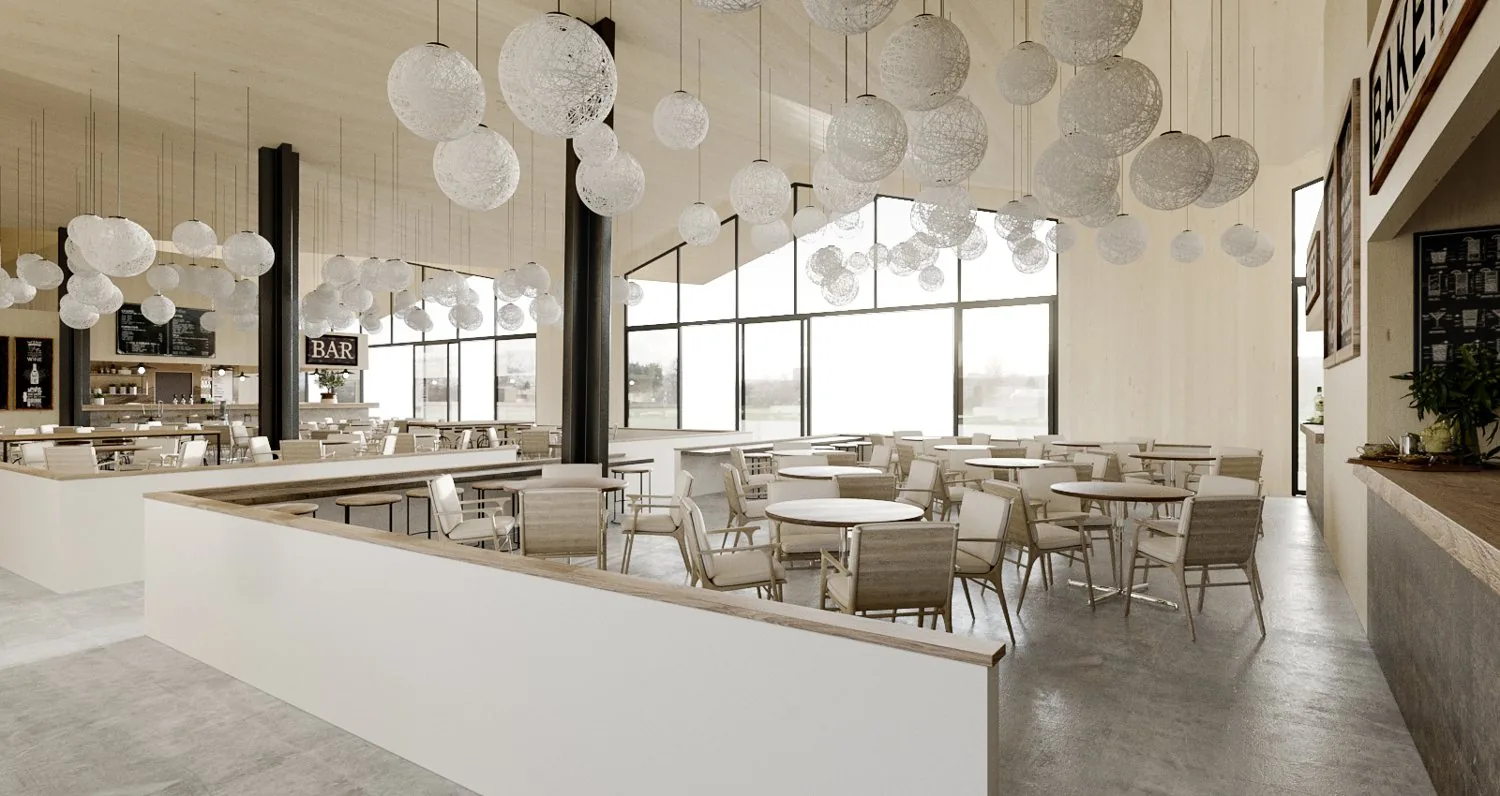
Week 1
Preview render
Materials are matched to your spec sheet or sample, real light is added, and the first finish renders at full quality. 2 revision rounds are included and in practice we keep going until it is right.
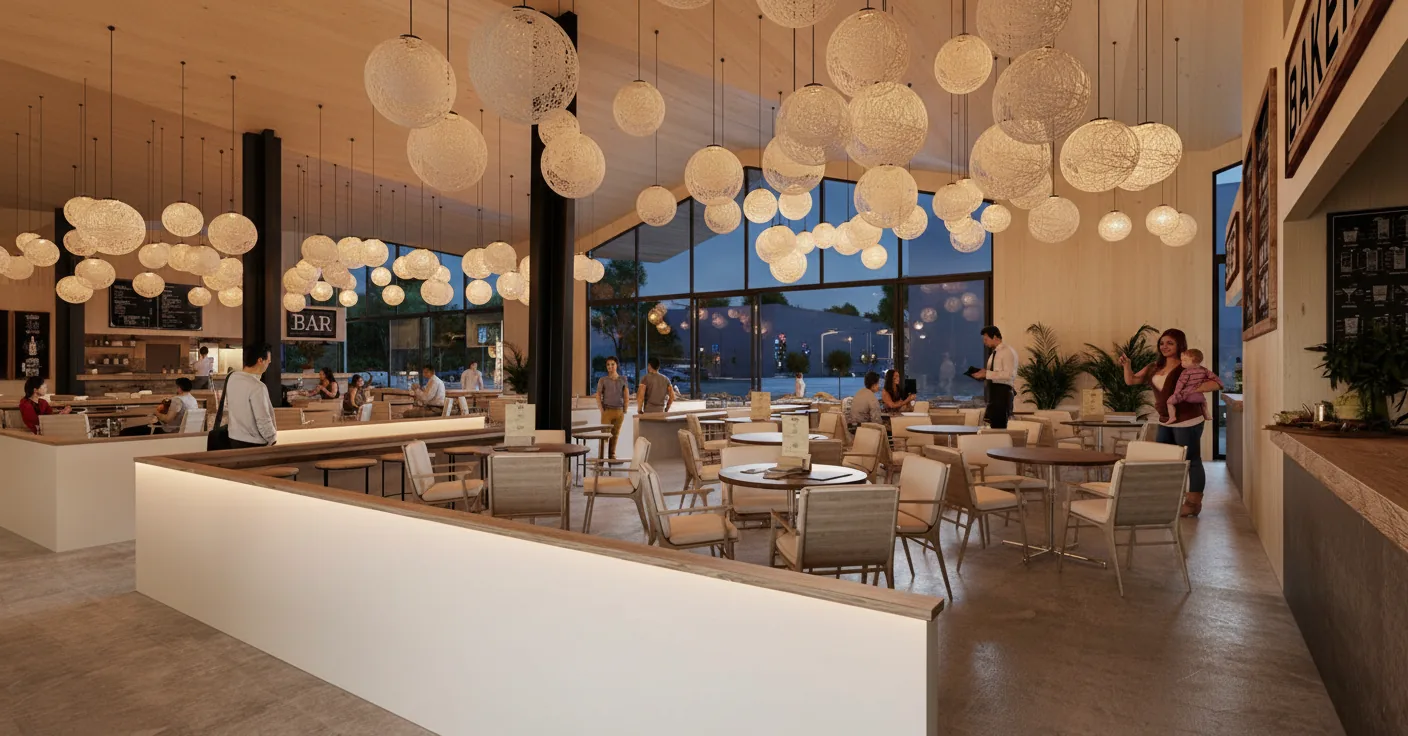
Delivery
Final render
Every further finish, angle or scene comes off the model already built, which is why a second image of the same product costs a fraction of the first. 4K as standard, full usage rights.
Proportions and camera angle are signed off on the untextured model. The finished render is refined until you sign off, and delivered on the date we agree.
Selected product work
Products, rendered
Furniture, fittings and building products rendered for catalogues, e-commerce and print. Filter by category or browse the full set.
Nothing matches those filters yet.
What it costs
What decides the cost of a product render
Priced per project rather than per image, because one packshot on white and a full range shown in six finishes and three scenes are different jobs. These are the things that move the quote.
-
Number of products and variants
The first item pays for building the model. Each further colour, finish or configuration off the same model costs a fraction of it.
-
How ready your files are
CAD or STEP at real dimensions renders faster than a PDF or a sample we have to measure and interpret ourselves.
-
How many materials and finishes
A single moulded finish is one material to match. A range in wood, metal and six fabric options is several, each checked against a swatch.
-
Scenes and camera angles
A white-background packshot is one setup. A lifestyle scene with props and context is a second scene built around the same model.
-
Resolution
4K is standard. A larger file for a billboard or a print catalogue is an add-on to the render, not a new one.
-
Revision rounds
Two rounds are included as standard. Bigger ranges sometimes agree more up front, priced into the quote rather than billed after the fact.
Free guide
The Product Rendering Buyer's Guide
What the quote weighs, and what to send so it comes back fast.
- What a CAD file needs to carry for a render to start same day
- How colour and finish variants are priced once the model exists
- The difference between a packshot setup and a lifestyle scene
- No sales call, one fixed price back in 30 minutes
Opens the upload form. Send what you have; no sales call.
Who orders product renders
Who asks for a product render, and why
Nobody commissions a product render for its own sake. It is bought because someone has to spec, sell or approve a product before a unit exists to photograph.

Architects and specifiers
A bespoke fitting, a door system or a piece of custom furniture specified into a scheme is easier to sign off as a render than a cut sheet, and the same model can later sit in an interior scene.
Read more
Interior designers
A client approves a chair or a fabric before it is ordered, at the actual finish rather than a swatch held under office light.
Read more
Developers and fit-out teams
A fixture or a hardware set rolled out across every unit in a scheme is rendered once and reused, rather than photographed unit by unit as each one is fitted.
Read more
Hotels and hospitality groups
Furniture and fittings chosen for a refurbishment or a new property are shown consistent with the brand across every location, before the first piece is delivered.
Read more
What you provide
What to send, and what comes back
Send what the product has today, from a full CAD set to a sample in a box, and we build the brief from it.
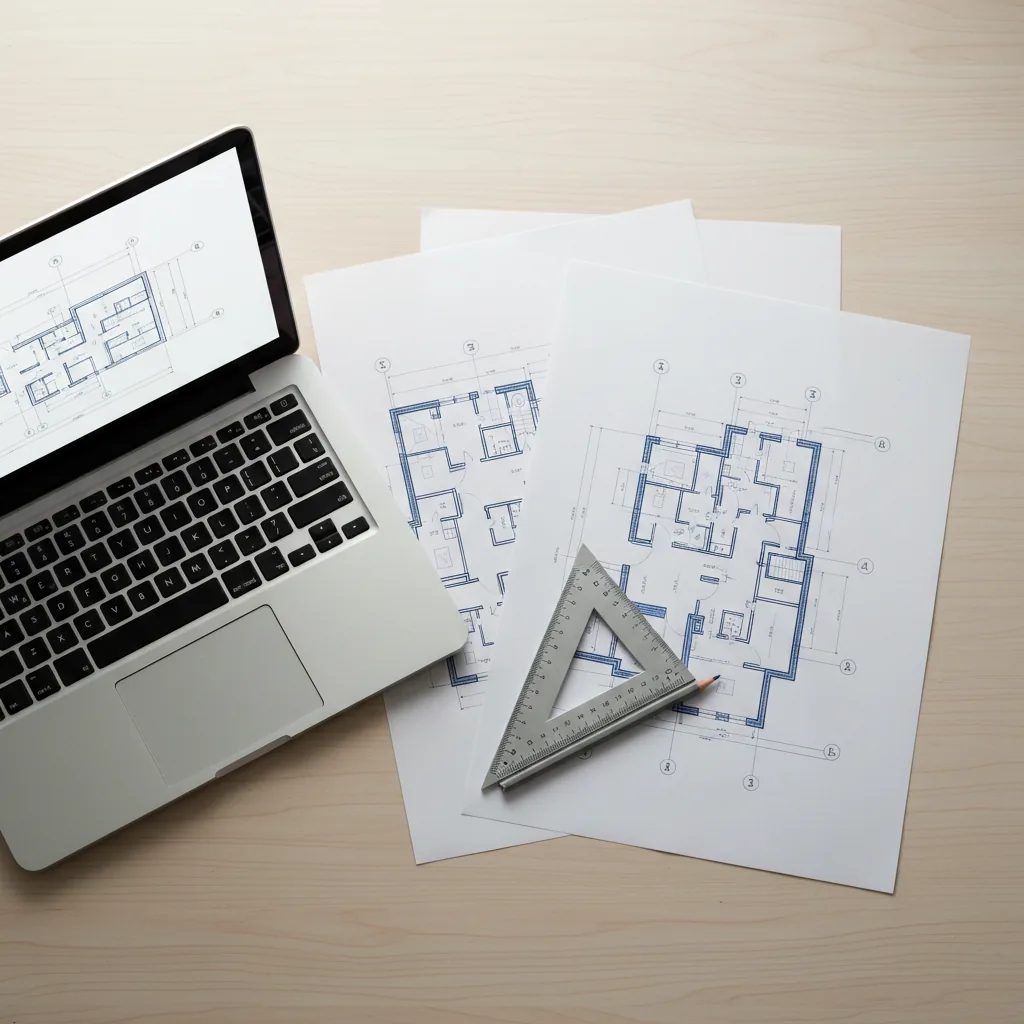
What we accept
3D filesCAD, STEP or OBJ at real dimensions used as they come, so nothing is redrawn from scratch
DrawingsDimensioned technical drawings or a spec sheet, as DWG or PDF
A sampleA photographed sample from several angles, when no file exists yet
FinishesA swatch, a finish schedule or a supplier reference for each colour or material
No perfect briefA file or a sample and one reference image are enough to quote
What you receive
Renders4K files, one per finish, angle or scene, larger on request
Preview and revisionsThe untextured model first, then 2 revision rounds on the finished renders and refinement until sign-off
The model, reusableThe same model reused for every further colour, angle or scene at a fraction of the first cost
Configurator-ready deliveryThe model delivered in a format ready for a configurator or AR viewer another team builds
Full ownershipOf the delivered files, for catalogues, listings, print and your own site
Need the model built first, or a different spec entirely? See 3D modeling. Selling the space the product sits in? See interior rendering.
Questions we get asked
3D product rendering FAQs
What buyers and brand teams ask before a first product render. Anything not covered here can go into the quote form, and the answer comes back with the price.
Ask us directlyWhat are 3D product rendering services?
Building a 3D model of your product and lighting it like a photograph, so the image exists before a unit is manufactured or a photo shoot is booked. The model is built once, from a CAD file, a technical drawing or a physical sample, and every colour, finish and angle after the first comes off that same model.
How is 3D product rendering different from product photography?
A photograph needs a finished unit, a studio and a photographer in the same room. A render needs a file or a sample and can be finished before manufacturing is, shown in a finish that has not been produced yet, or placed in a scene no studio could build. Once the model exists, a second colour or a new angle is a fraction of the cost of the first image.
How much do 3D product rendering services cost?
There is no list price, because a single object rendered on white and a full range shown in six finishes and three scenes are very different jobs. What moves the quote is how many products and variants, how much of a scene each needs, and how ready your files are. Quoted per project, fixed, within 30 minutes of receiving your files.
What files do you need to start?
CAD, STEP or OBJ at real dimensions is ideal, and a SketchUp or 3ds Max file works as it comes. Without a 3D file, dimensioned drawings or a photographed sample are enough to build the model from. Nothing needs to be manufactured first: an unreleased product or a design still in prototype is the normal case here, and we work under NDA without being asked.
Can you render a product from sketches or reference photos alone, with no CAD file?
Yes, though a CAD file is faster and more exact. Dimensioned sketches, reference photographs from several angles, or a competitor's product photograph used only as a shape reference are all workable starting points, and we say at the quote stage what we had to assume so it can be corrected before anything renders.
Do you build 3D models for AR viewers or product configurators?
We build and render the 3D model, and can deliver it in a format suited to an AR viewer or a configurator that another team builds or hosts. Building the interactive AR experience or the configurator tool itself is not a service we currently offer, so tell us at the brief stage what the model needs to plug into and we confirm what we can deliver before the quote is fixed.
Can AI generate my product renders instead?
AI image tools are fast at a mood shot and poor at holding a product still: proportions, button positions and material joins drift from one generated image to the next, because nothing behind the picture is a real measured object. Our renders come off a model built to your actual dimensions, so every colour and angle shows the same product and can be checked against the spec sheet it came from. For a single throwaway mood image that is more than you need; for a catalogue that has to match what ships, it is the point.
How many revision rounds are included?
Two rounds on the finished frames, and in practice we keep refining until you sign off. The bigger saving is earlier: colour, finish and camera angle are all agreed on the model before the expensive lighting pass runs, so a change there costs minutes rather than a re-render.
What happens if the product design changes after rendering starts?
It depends on when. A dimension or a proportion change is cheapest on the untextured model, before materials and light go on, which is why that stage is shown to you before anything renders at full quality. A change after the first finished render is a revision like any other; a change to the physical part itself, after manufacturing has started, is scoped and quoted as new work.
Do you work in my country?
Yes. We have worked remotely since 2013 and delivered into 17 countries. A product render needs nobody in the same room: files go up, questions come back by email, and the finished renders come down the same way.
Start a project
Send your files, get a fixed quote in 30 minutes
CAD, a drawing or a sample is enough to start. Say which colours and scenes the launch needs and the quote comes back before anyone calls you.
We take a limited number of projects each month.